FOR RENTExpat
Rs450K/mo
Riviere Noire · West
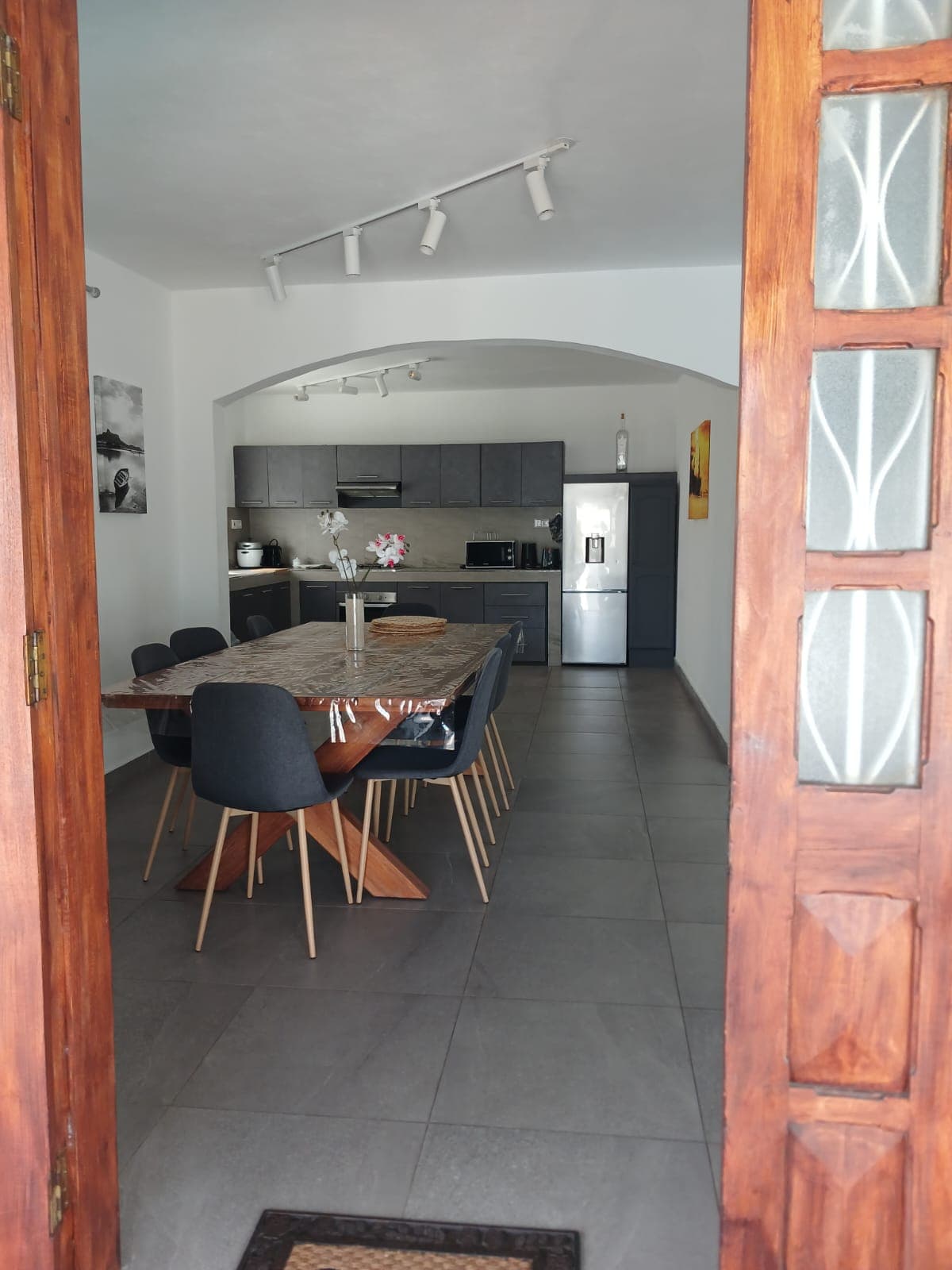
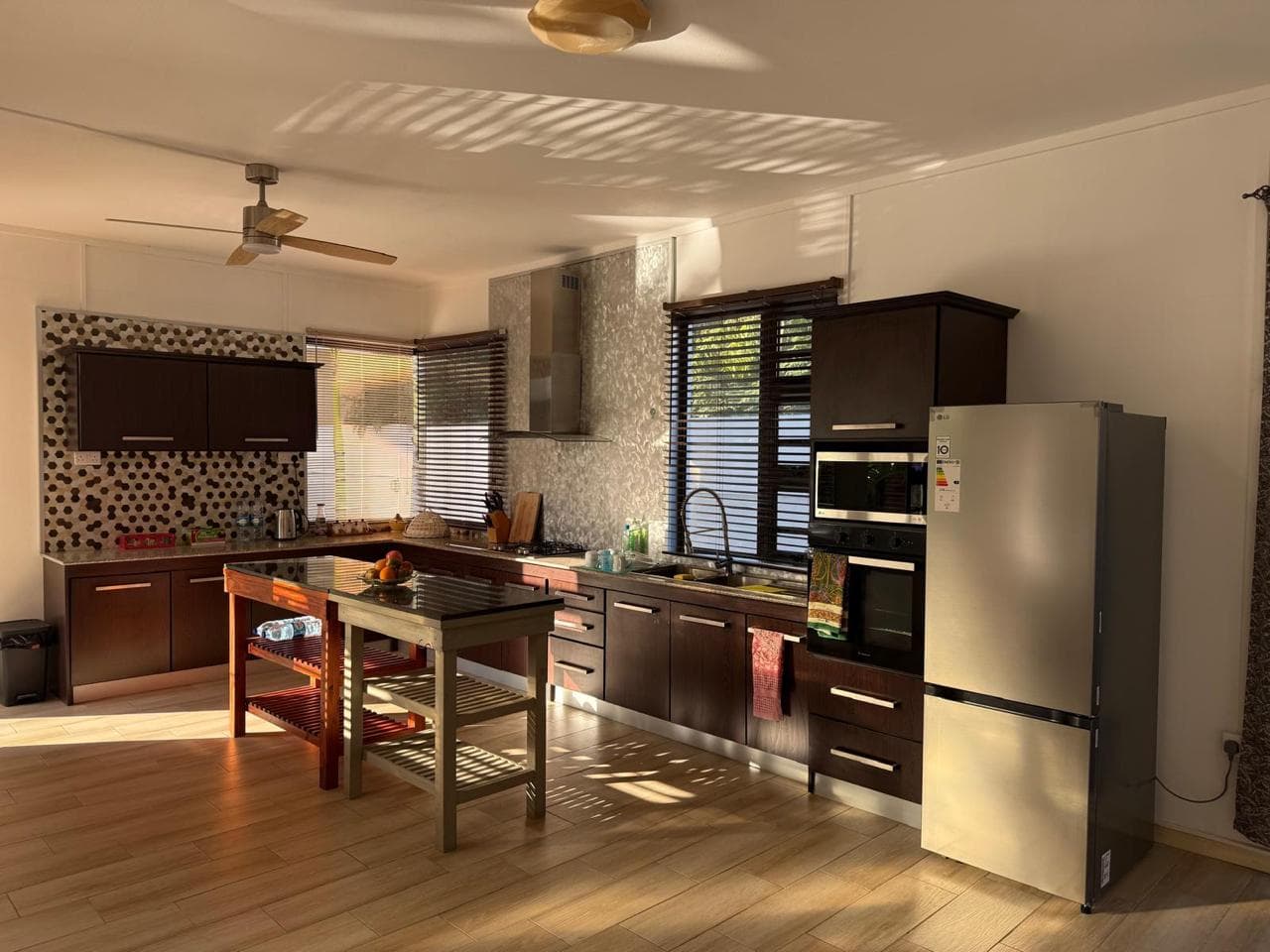
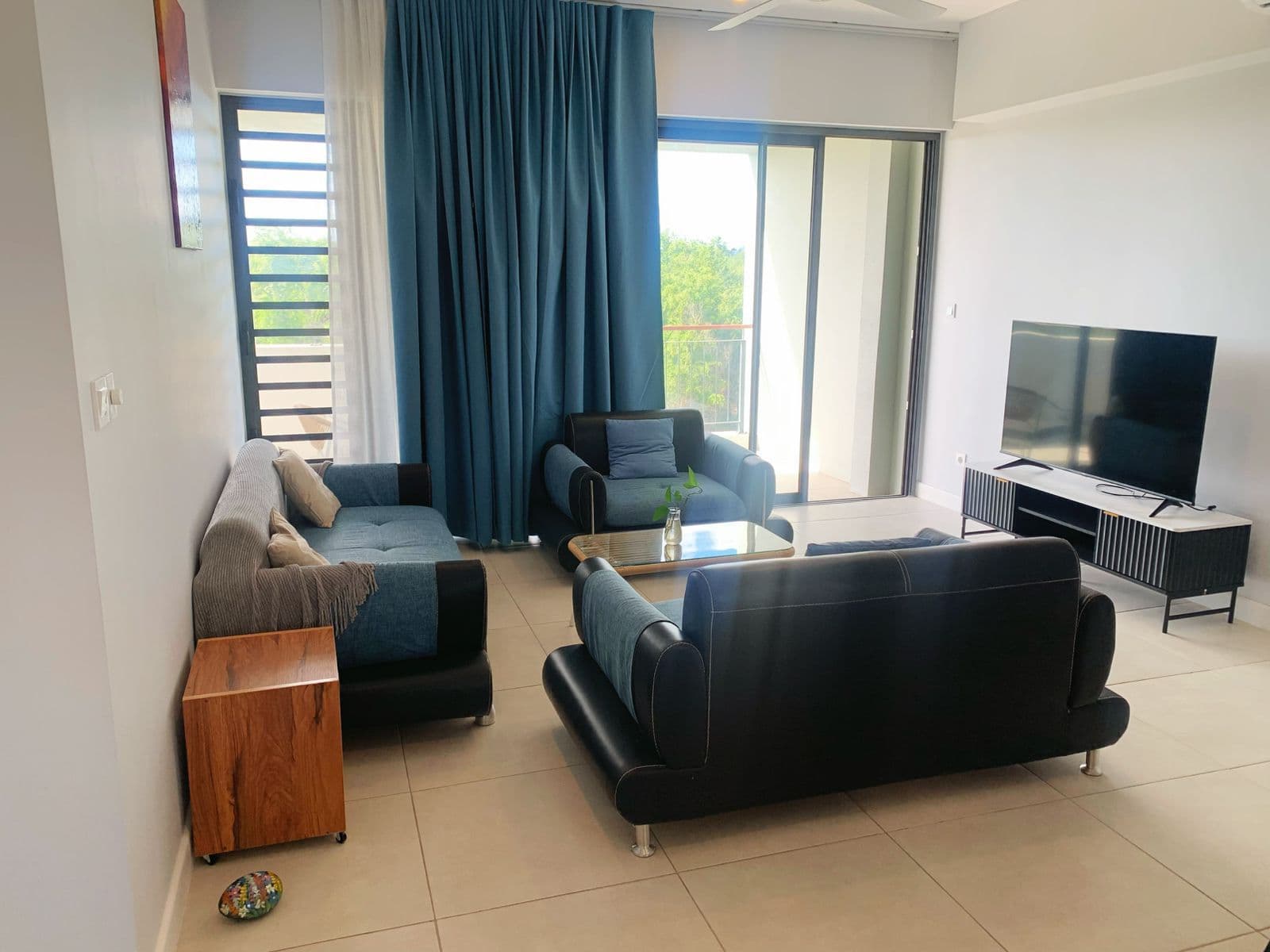
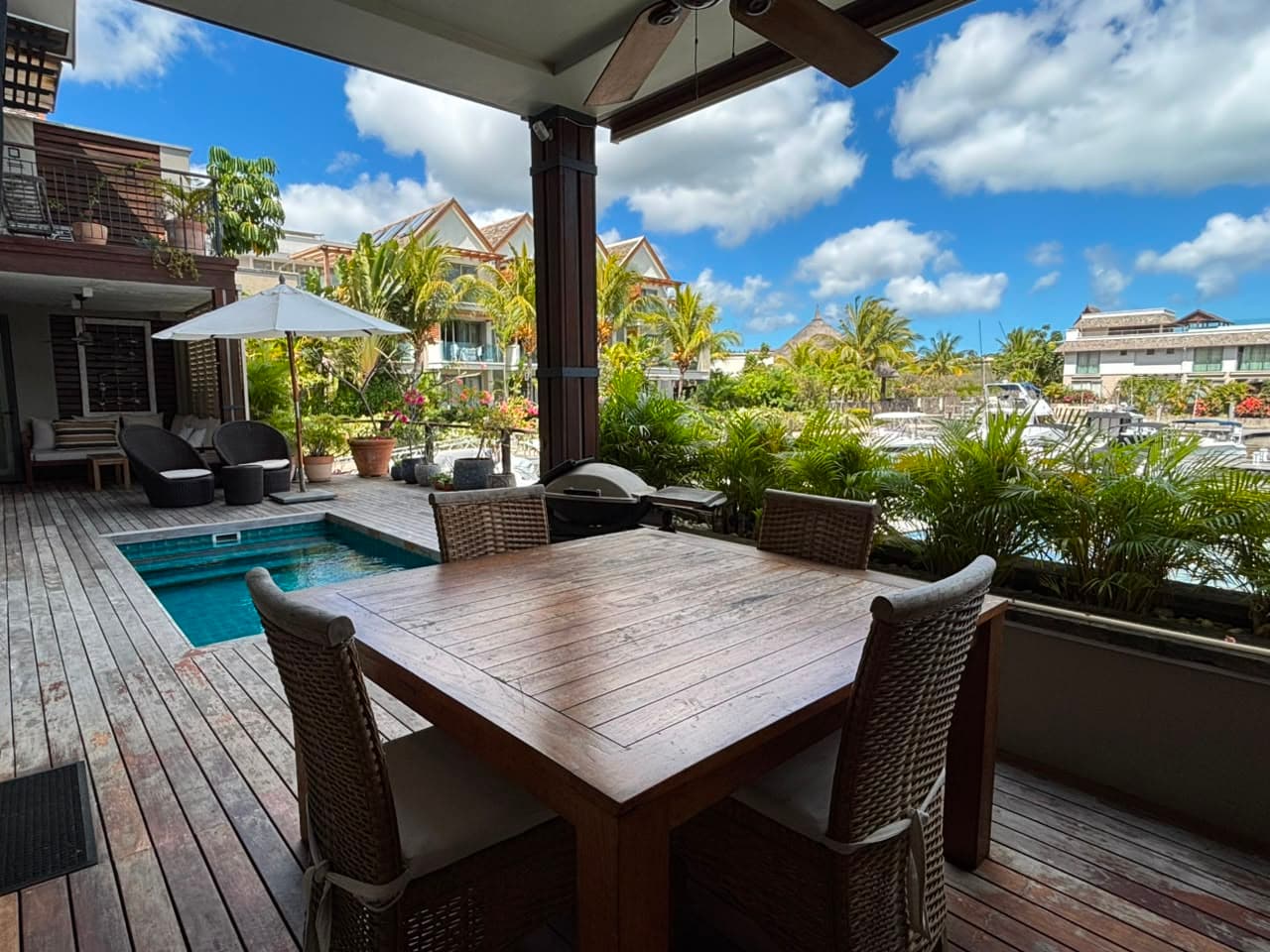
Ultimate Marina Lifestyle – Luxury Waterfront Residence, Private Mooring & Boat
44

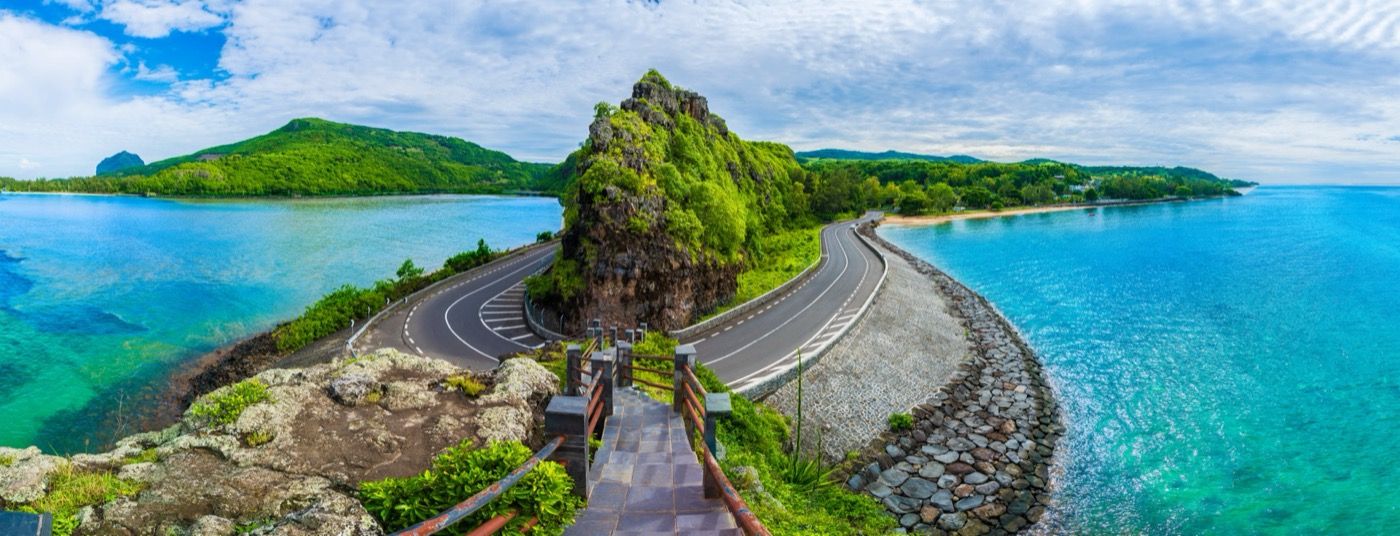
Everything you need to know about car hire in Mauritius: airport pickup, regional options, driving rules, costs and tips for foreign visitors.
Renting a car is the most practical way to explore Mauritius independently. Public buses cover the main corridors but run infrequently after dark and rarely reach coastal villages, beaches, or inland viewpoints on a convenient schedule. With a hired car you can move between the west coast, the north, the east, and the central plateau on your own timetable, which matters whether you are here for two weeks on holiday or scouting property for a longer stay.
This guide covers everything from picking up a car at the airport to understanding what a valid licence looks like, what insurance you actually need, and where to find reputable suppliers in each part of the island.
To rent a car in Mauritius you generally need to meet three conditions:
Mauritius drives on the left, the same as the United Kingdom, South Africa, and Australia. The road network is well maintained on main routes, though some coastal and rural roads are narrow and benefit from a compact or medium-sized vehicle.
Sir Seewoosagur Ramgoolam International Airport (SSR Airport) is located at Plaisance in the south-east of the island. It is the main international entry point and the most common place to collect a hire car.
Several international brands and local Mauritian operators have desks in or near the arrivals hall. Collecting at the airport saves the cost and delay of a taxi transfer to your accommodation before picking up a vehicle separately. If you are arriving late at night, confirm in advance that your chosen supplier has staff available at that hour, as some smaller local companies operate collection by appointment rather than maintaining a permanent desk.
When comparing car hire at Mauritius airport, check whether the quoted price includes:
Fuel policy varies. Most Mauritian rental companies hand over the car with a full tank and expect it returned full. Clarify this before signing.
Grand Baie is the main tourist hub on the north coast and has the highest concentration of car hire offices outside the airport. If you are staying in the north, collecting from a Grand Baie supplier avoids the long drive from the airport on arrival day.
Local operators in Grand Baie typically offer competitive daily rates and are used to dealing with foreign visitors. Many will deliver a car to your villa or hotel and collect it at the end of the rental, which is a practical option if you have heavy luggage or an early departure.
The north is also a popular base for exploring the rest of the island. From Grand Baie you can reach Port Louis in around 20 to 25 minutes by car, the central highlands in 40 minutes, and the east coast in roughly an hour, depending on traffic.
Flic en Flac, on the west coast, is a quieter alternative to the north for both tourists and longer-stay residents. Several local car hire operators serve the area, and some Grand Baie or airport-based companies will deliver to addresses in Flic en Flac.
The west coast road connects Flic en Flac northward to Port Louis and southward toward Tamarin and Black River (Riviere Noire). Having your own vehicle here is particularly useful because the beach strip and village centre are walkable, but the surrounding hills, the Tamarin Bay surf break, and the Chamarel waterfall area all require a car.
If you are considering property in the west, driving the roads yourself gives you a much clearer sense of travel times to Port Louis and to the airport than any map application can.
Port Louis is the capital and commercial centre of Mauritius. Most visitors do not base themselves in the city, but if you have business meetings, legal appointments, or visits to government offices (the Economic Development Board, the Registrar-General, or the Mauritius Revenue Authority), collecting a car in Port Louis can make sense.
Traffic in Port Louis during morning and evening rush hours is heavy, particularly on the M1 motorway corridor. If your appointments are in the city centre, a car is less useful for the city itself than for reaching it from a coastal base. Several car hire operators have offices in or near the capital, and airport-based suppliers will often arrange delivery to a Port Louis hotel or office address.
Belle Mare is on the east coast, known for its long stretch of calm lagoon and a number of resort hotels. The east coast is generally quieter in terms of tourist infrastructure than the north or west, and public transport connections are less frequent.
For stays in Belle Mare or the surrounding east coast villages (Trou d'Eau Douce, Palmar, Poste de Flacq), a hire car is close to essential unless you are content to stay within the resort. Local suppliers serve the area, and larger operators based at the airport or in Grand Baie will deliver to east coast addresses.
The east coast is also within reach of some of the island's most scenic inland drives, including the road through Mahebourg toward the south and the route up through the Flacq district.
Royal Car Hire is one of the established local car rental companies operating in Mauritius. It is a Mauritian business rather than an international franchise, and it serves both airport and regional pickup points. As with any local supplier, it is worth reading recent customer reviews, confirming insurance terms in writing before arrival, and checking whether the company is registered with the relevant Mauritian authorities.
Local companies like this often offer more flexible terms than international chains, including negotiable rates for longer rentals, vehicle delivery, and out-of-hours collection. The trade-off is that dispute resolution and insurance claims may require more direct negotiation than with a large international brand that has a structured complaints process.
For most visitors, a compact or medium saloon or hatchback is sufficient. The main roads are sealed and well maintained. A 4x4 or SUV is only genuinely necessary if you plan to drive unpaved tracks in the Black River Gorges area or access very remote coastal spots.
Automatic transmission is widely available and recommended if you are not used to driving on the left, as it removes one variable when adjusting to local conditions.
If you are travelling with family or a group, a seven-seat MPV is a practical choice. These are available from most larger suppliers.
Third-party liability insurance is mandatory in Mauritius for all vehicles on public roads. Any legitimate hire car will include this as standard.
Collision damage waiver (CDW) limits your financial liability for damage to the hire car itself. Most suppliers offer CDW with an excess (the amount you pay in the event of a claim). You can often reduce or eliminate the excess by paying a daily supplement. Check whether your credit card provides CDW coverage for car hire internationally, as some premium cards do, which can save a meaningful amount on a week-long rental.
Personal accident insurance is a separate product and is generally optional. Review your existing travel insurance policy before adding it, as there is often overlap.
Speed limits: The general limit on open roads is 80 km/h, reduced to 50 km/h in towns and villages. Motorway sections (the M1 and M2) allow up to 110 km/h in places. Speed cameras are in use across the island.
Roundabouts: Mauritius uses roundabouts extensively. Traffic already on the roundabout has priority. This is the same rule as in the UK and most of Europe.
Fuel: Petrol stations are well distributed across the island. Fuel is sold in litres. Most hire cars run on petrol (essence); diesel vehicles are less common in the rental fleet.
Parking: In Port Louis and Grand Baie, parking can be tight during business hours. Many hotels and shopping centres have dedicated parking areas. On-street parking in the capital often uses a disc system or paid zones.
Road signs: Signs are in French and English. Navigation apps (Google Maps, Waze) work well in Mauritius with a local SIM or roaming data.
Police checks: Random police checkpoints operate on main roads. Carry your driving licence, passport, and the vehicle rental agreement at all times.
Prices vary by season, vehicle category, and supplier. As a general guide, compact cars start from around MUR 1,200 to MUR 1,800 per day for a basic category, with medium cars and SUVs ranging higher. Weekly rates typically represent a discount of 15 to 25 percent compared to booking seven individual days.
High season (July, August, and December to January) brings higher demand and higher prices. Booking in advance is strongly advisable during these periods.
Always compare the total price including insurance, any airport surcharge, and the fuel policy rather than the headline daily rate alone.
You can book car hire in Mauritius through international comparison platforms, directly with local Mauritian companies, or through your hotel or villa concierge.
International platforms offer price transparency and sometimes include credit card protection on the booking. Local operators often provide more flexibility, particularly for delivery, out-of-hours collection, and longer-term arrangements.
For stays of a month or more (common among property buyers completing due diligence or professionals on Occupation Permits), negotiating directly with a local supplier for a monthly rate is usually the most cost-effective approach.
For foreign buyers visiting Mauritius to view properties under the Property Development Scheme (PDS) or Smart City schemes, having your own hire car is a significant practical advantage. Developments are spread across the island, from the north coast near Grand Baie to the west around Tamarin and the east around Belle Mare. A car allows you to visit multiple sites in a single day, get a feel for travel times to the airport and Port Louis, and explore the surrounding neighbourhood at your own pace, all of which inform a purchase decision far better than relying on developer transfers.
If you are relocating on a Professional Occupation Permit or an Investor Permit, a hire car bridges the gap between arrival and acquiring a vehicle of your own, which most longer-term residents eventually do.
Hand-picked
Riviere Noire · West
Tamarin · West

Baie du Cap · South
Baie du Cap · South
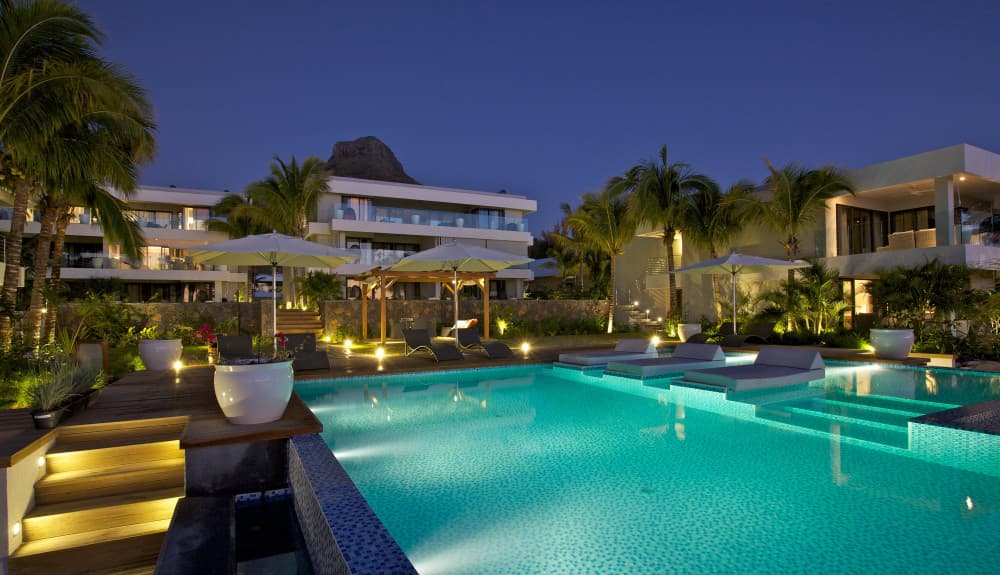
Riviere Noire · West
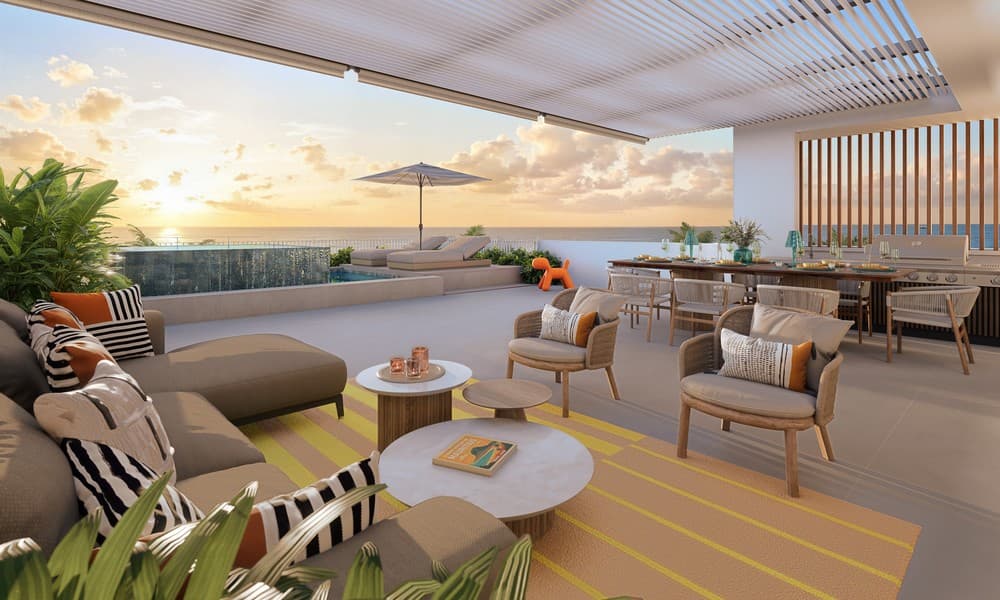
Tamarin · West
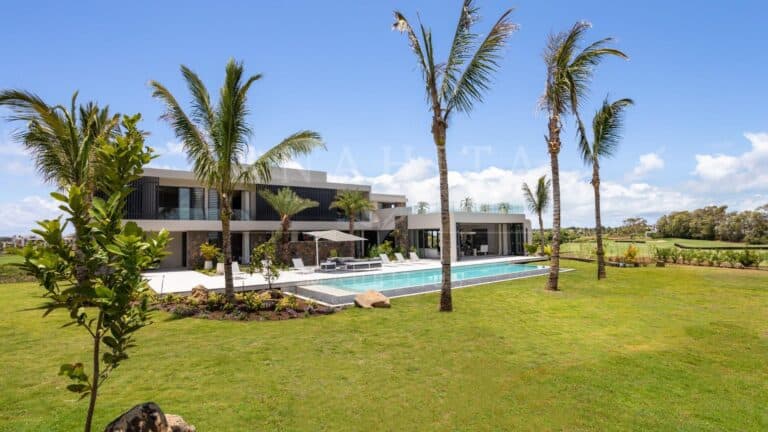
Beau Champ · East
Explore by region
Explore the site
Market updates, buying guidance and the best new listings, straight to your inbox.
Mauritius Real Estate · 5 Nov 2026
How to buy land in Mauritius: legal steps, the land registry process, approved schemes, duties, and top locations. Updated guide for foreign buyers.
Mauritius Real Estate · 5 Nov 2026
Find industrial space in Mauritius: zoning rules, warehouse locations, costs, foreign buyer requirements, and the full transaction process explained…
Mauritius Real Estate · 2 Nov 2026
How to get a skipper licence in Mauritius, register a pleasure craft, and own a boat as a foreign resident. Fees, exams, insurance and marina…
Mauritius Real Estate · 29 Oct 2026
Discover what it's like to live in Phoenix, Mauritius. Location, amenities, lifestyle, and property options including apartments and houses for sale.
Mauritius Real Estate · 29 Oct 2026
Explore mansions for sale in Mauritius: locations, price ranges, legal frameworks for foreign buyers, and what to expect from the top end of the…
Mauritius Real Estate · 29 Oct 2026
A practical guide to the cost in Mauritius covering housing, food, transport, utilities and taxes to help expats and buyers plan their move.
Browse our current listings or speak to an agent.