FOR RENTExpat
Rs450K/mo
Riviere Noire · West
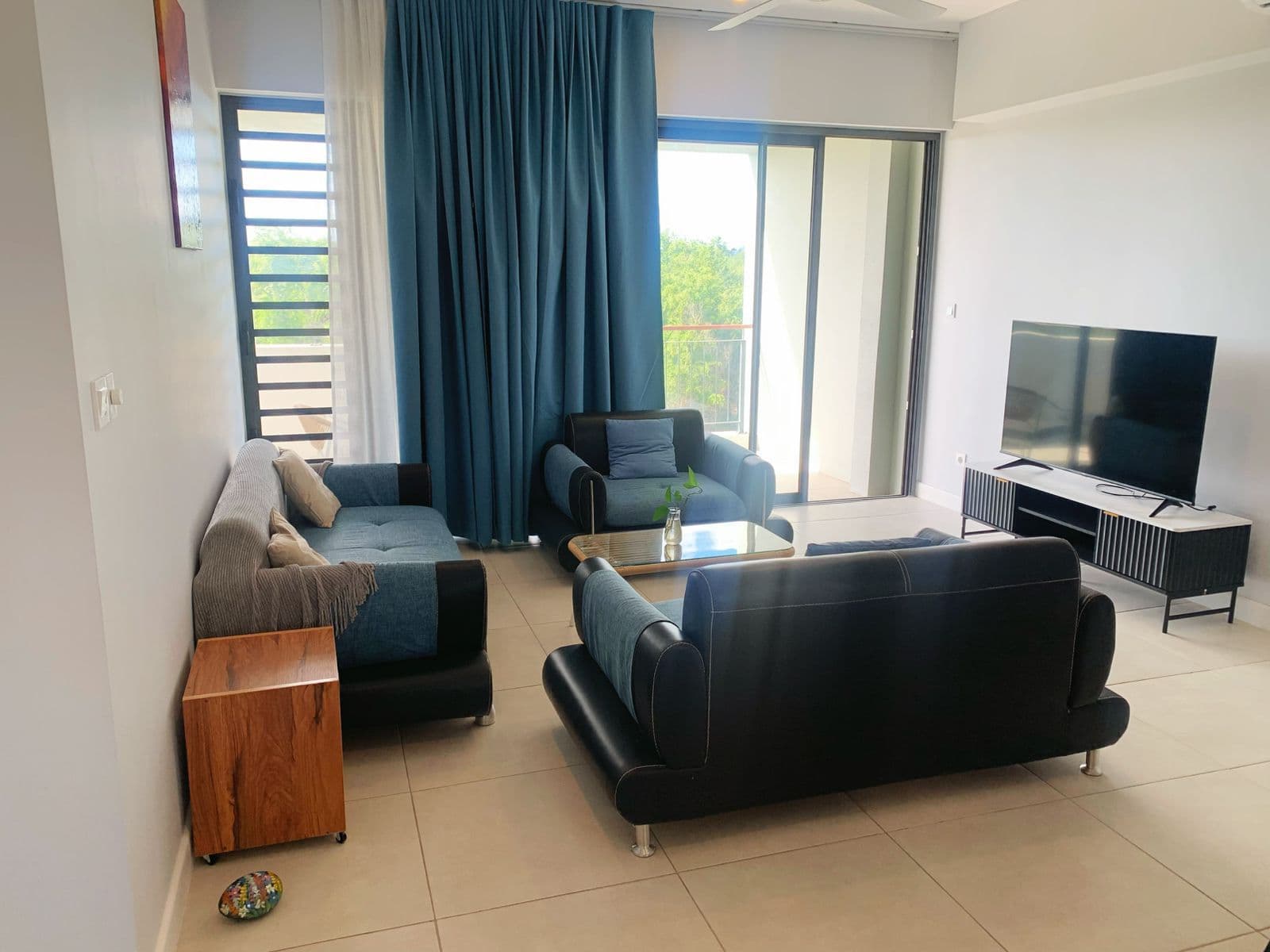
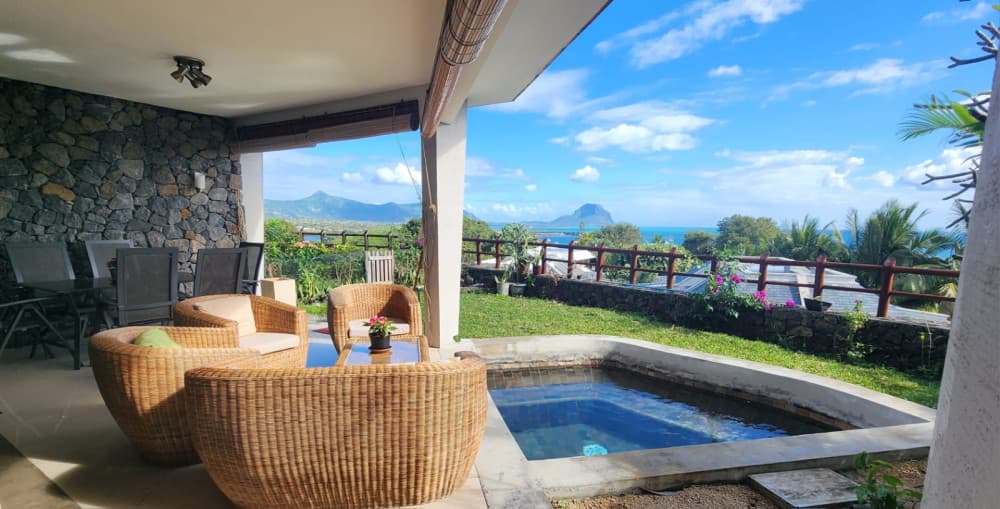
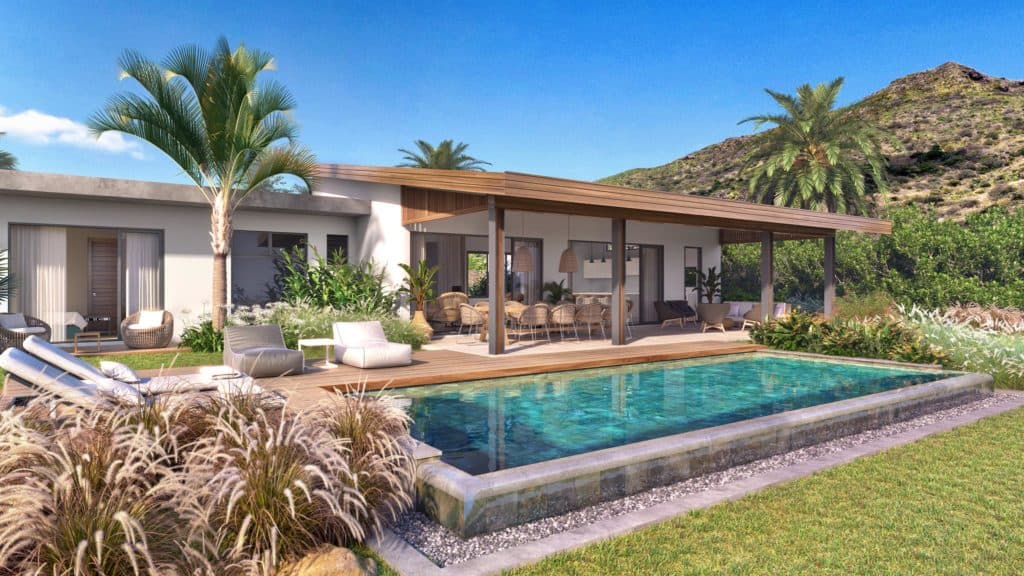
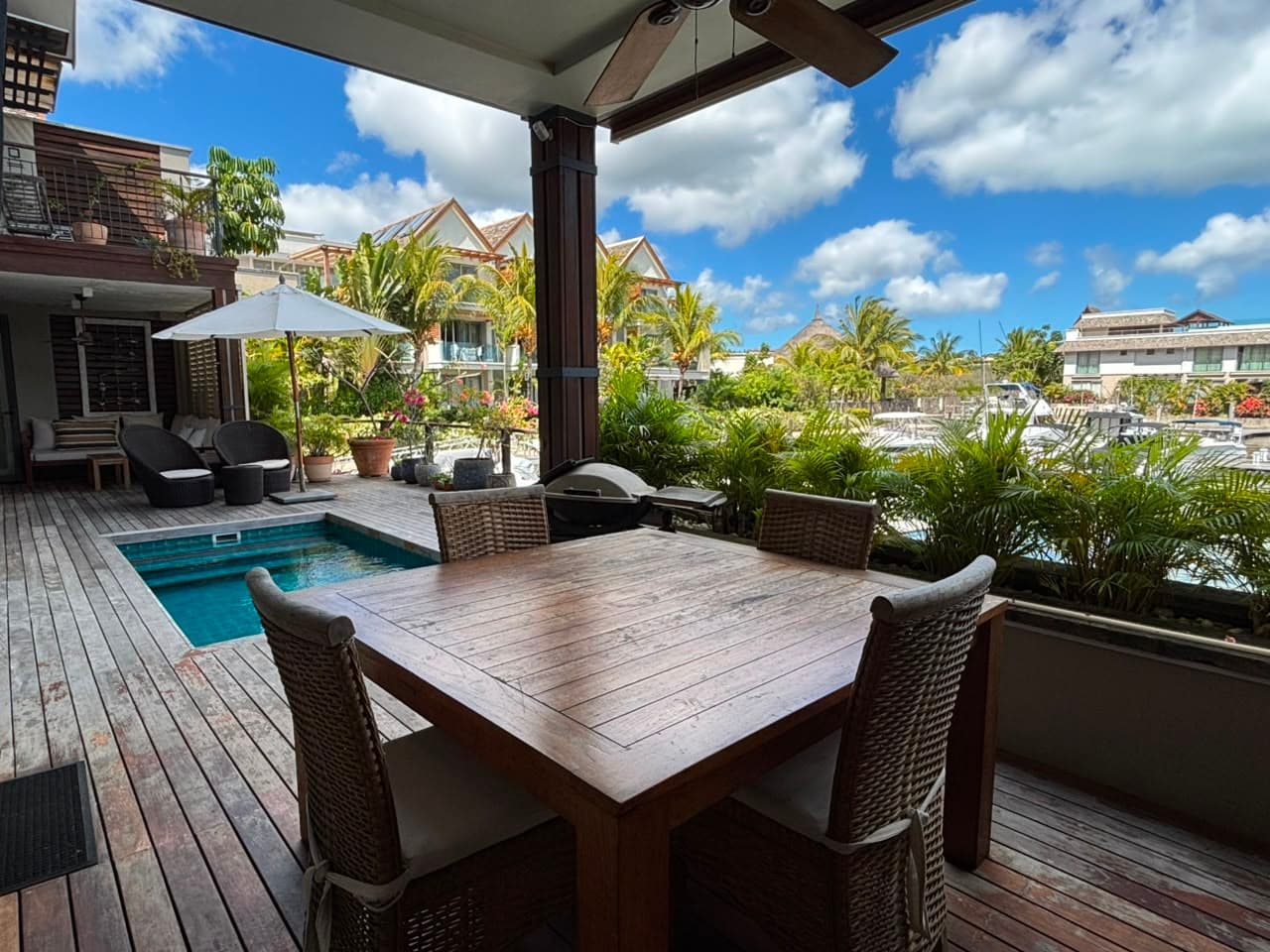
Ultimate Marina Lifestyle – Luxury Waterfront Residence, Private Mooring & Boat
44450m²

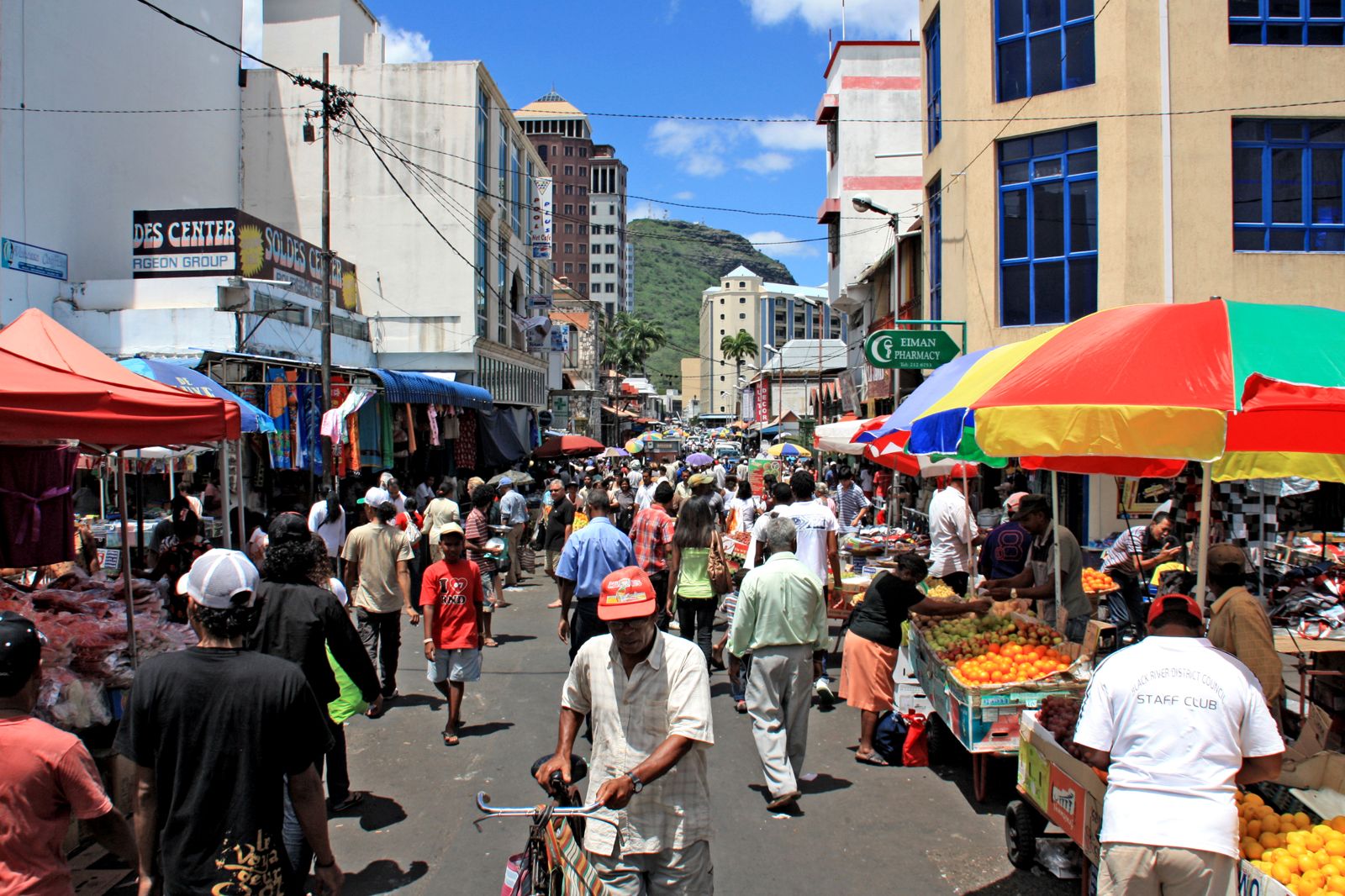
Understand Mauritius ethnicity, its four main communities, languages, religions and what this cultural diversity means for daily life and property buyers.
Mauritius is one of the most ethnically diverse countries in the world relative to its size. The population of roughly 1.3 million people descends from four broad communities: Indo-Mauritians (the largest group), Creoles, Sino-Mauritians, and Franco-Mauritians. These communities share the island, its institutions, and its economy while maintaining distinct cultural, religious, and linguistic traditions. For anyone considering relocating to or investing in Mauritius, understanding this ethnic landscape helps explain the country's social fabric, its public holidays, its food, its legal structures, and the way everyday life is organised.
Indo-Mauritians form the majority of the population, accounting for roughly 68 percent of residents according to figures from Statistics Mauritius. They are the descendants of indentured labourers brought from the Indian subcontinent by British colonial authorities between 1834 and 1910, primarily to work the sugar cane fields after the abolition of slavery. The community is itself internally diverse, divided broadly into Hindu and Muslim sub-groups.
Hindu Indo-Mauritians are the largest single religious group on the island. They trace their origins to regions of present-day Bihar, Uttar Pradesh, Andhra Pradesh, and Tamil Nadu. Their festivals, including Diwali, Maha Shivaratri (which draws hundreds of thousands of pilgrims to Grand Bassin), and Holi, are national public holidays. Tamil-speaking Mauritians within this group celebrate Thaipusam Cavadee with distinctive fire-walking ceremonies.
Muslim Indo-Mauritians, sometimes referred to as Indo-Muslims, make up roughly 17 percent of the total population. Their ancestors came largely from Gujarat and other parts of western India. Eid ul-Fitr and Eid ul-Adha are both national public holidays in Mauritius, reflecting the community's standing in national life.
Creoles are the descendants of enslaved Africans and Malagasy people brought to Mauritius during the French colonial period (1715 to 1810) and, to a lesser extent, during early British rule. They form approximately 27 percent of the population and are predominantly Roman Catholic. The Creole community is concentrated in coastal fishing villages, in parts of Port Louis, and in the southern districts.
Creole culture is a vivid synthesis of African, Malagasy, French, and Indian influences. Sega, the island's most recognised musical tradition, originated within this community. Characterised by percussion instruments including the ravanne (a goatskin drum), the triangle, and the maravanne (a shaker), sega music and dance has been recognised by UNESCO as part of the Intangible Cultural Heritage of Humanity. The Creole language, Morisyen, grew out of this community and is today the mother tongue of the vast majority of Mauritians across all ethnic groups.
Sino-Mauritians are the descendants of Chinese immigrants who arrived primarily from the Hakka and Cantonese-speaking regions of Guangdong province during the nineteenth and early twentieth centuries. They represent roughly 3 percent of the population. Despite their small numbers, the Sino-Mauritian community has historically played a prominent role in trade and commerce, particularly in the retail and import sectors. Chinese New Year is a public holiday in Mauritius, and the dragon dances held in Port Louis and Curepipe are attended by Mauritians of all backgrounds.
Franco-Mauritians are the descendants of French settlers who arrived after France claimed the island in 1715. They represent roughly 2 percent of the population but have historically held significant economic influence, particularly in the sugar industry and in the hotel and tourism sector. French remains an important language of business, media, and education on the island, a legacy of this community's historical dominance. Roman Catholicism is the primary religion of Franco-Mauritians, and Christmas and All Saints Day (La Toussaint) are observed as national public holidays.
The ethnic diversity of Mauritius is reflected directly in its linguistic landscape. There is no single mother tongue shared by all Mauritians, but several languages play distinct roles.
Morisyen (Mauritian Creole) is the everyday spoken language of the vast majority of the population regardless of ethnicity. It is a French-based creole with significant Malagasy, Bhojpuri, and English influences. Most Mauritians switch between Morisyen and other languages depending on context.
English is the official language of government, law, and formal administration. Parliamentary debates, legislation, and court proceedings are conducted in English. It is also the primary language of instruction in schools from secondary level upward.
French is used extensively in the media, in business correspondence, and in social settings, particularly among educated urban Mauritians. Most newspapers publish in both English and French.
Bhojpuri is spoken by a significant portion of older Hindu Indo-Mauritians as a heritage language, though its use has declined among younger generations.
Mandarin and Hakka are maintained within the Sino-Mauritian community, particularly in family and cultural contexts.
Tamil, Telugu, Marathi, Urdu, and Hindi are taught in schools as heritage languages and used in religious contexts within their respective communities.
For incoming residents and property buyers, the practical reality is straightforward: English is sufficient for all legal, financial, and administrative dealings. French is an asset in social and business settings. Morisyen, while not essential, is appreciated by local communities if you make the effort to learn a few phrases.
Religion is closely intertwined with ethnicity in Mauritius, and the public holiday calendar reflects this balance deliberately. The island observes Hindu, Muslim, Christian, and Chinese festivals as national public holidays, giving Mauritius one of the highest numbers of public holidays per year of any country in the world (around 15 to 16 depending on the year).
This has practical implications for businesses and employers. Offices, banks, and government departments close on all public holidays. Property transactions and legal appointments should be scheduled with the public holiday calendar in mind, particularly around Diwali (October or November), Eid (dates vary by Islamic lunar calendar), and Chinese New Year (January or February).
Places of worship are visible throughout the island: Hindu temples (kovils and mandirs), mosques, Catholic churches, and Chinese pagodas often stand within a short distance of one another. This physical coexistence is one of the more striking features of Mauritian social geography.
For foreign buyers and investors, the ethnic and cultural composition of Mauritius has several concrete implications.
Neighbourhood character varies. Grand Baie and the north coast have a cosmopolitan, internationally influenced character shaped partly by tourism and the presence of expatriates. Areas such as Mahebourg, Rose Hill, and Quatre Bornes have a more locally rooted feel, with distinct community presences. Port Louis, the capital, is the most ethnically mixed urban centre on the island.
Land ownership has historical roots in ethnicity. Much of the prime agricultural and coastal land in Mauritius was historically held by Franco-Mauritian sugar estate families. The conversion of sugar estate land into residential schemes (under frameworks such as the Property Development Scheme and Smart City Scheme) has made much of this land accessible to foreign buyers for the first time. Understanding this history helps explain why many high-end residential developments sit on former sugar estate land.
Foreign nationals can purchase property through approved schemes including the Property Development Scheme (PDS) and Smart City Scheme, with a minimum investment threshold from USD 375,000, which also qualifies the buyer for a residence permit. Registration duty for non-citizens buying under these schemes is 5 percent (buyer) and land transfer tax is 5 percent (seller), following the Finance Act 2026 which came into force on 13 August 2026. Always confirm current duty rates with the Mauritius Revenue Authority and the Economic Development Board before committing to a transaction.
Community networks matter in business. If you are setting up a business in Mauritius, understanding the community structure helps in building local relationships. The Sino-Mauritian community retains strong networks in trade and import. The Franco-Mauritian community remains influential in hospitality and agribusiness. Indo-Mauritian business associations are active across manufacturing, finance, and retail.
Mauritius is frequently cited as a model of inter-ethnic coexistence, and by most practical measures this reputation is deserved. The country has not experienced significant communal violence since the disturbances of 1968, and daily life across ethnic lines is generally cooperative and tolerant.
That said, ethnicity remains a visible factor in Mauritian politics. The electoral system uses a Best Loser System designed to ensure that no community is entirely unrepresented in parliament, which means that candidates declare their community affiliation on the ballot. Political parties have historically drawn support along broadly communal lines, though this is changing as younger Mauritians increasingly identify across ethnic categories.
Social inequality also has an ethnic dimension. The Creole community has historically faced higher rates of poverty and lower educational attainment compared to other groups, a legacy of the specific history of slavery and its aftermath. Government programmes and civil society organisations have worked to address this gap, but it remains a recognised feature of Mauritian social policy discussions.
For expatriates and foreign nationals moving to Mauritius, the ethnic diversity of the island is overwhelmingly a positive feature of daily life. It means exceptional food, a rich calendar of festivals, a multilingual environment that is easy to navigate in English, and a social culture that is accustomed to welcoming outsiders.
A few practical points are worth noting:
For those considering a long-term move, taking time to understand the cultural landscape pays dividends in building genuine local relationships, which in turn makes navigating everything from property purchases to business licensing considerably smoother.
Hand-picked
Riviere Noire · West
Baie du Cap · South
Baie du Cap · South
Tamarin · West
Beau Champ · East

Tamarin · West
Explore by region
Explore the site
Market updates, buying guidance and the best new listings, straight to your inbox.
Mauritius Real Estate · 17 Nov 2026
Buy or lease office commercial property in Mauritius: legal rules for foreign buyers, costs, finance options, and how to search the main business…
Mauritius Real Estate · 17 Nov 2026
A practical guide to business setup in Mauritius: company structures, costs, tax rates, Occupation Permits, and how to get started with the EDB.
Mauritius Real Estate · 17 Nov 2026
Everything you need to know about Black River Business Park in Mauritius: location, office options, business setup rules, and property investment…
Mauritius Real Estate · 17 Nov 2026
Find a beachfront apartment in Mauritius. Compare coastal areas, understand foreign buyer rules, and explore rental and purchase options across the…
Mauritius Real Estate · 17 Nov 2026
Explore the key towns in Mauritius for property, relocation and lifestyle. Compare character, amenities and investment potential across the island.
Mauritius Real Estate · 16 Nov 2026
Everything you need to know about the Real Estate Agent Authority in Mauritius: licensing, registration, how to verify an agent, and how to set up a…
Browse our current listings or speak to an agent.