FOR RENTExpat
Rs450K/mo
Riviere Noire · West
Ultimate Marina Lifestyle – Luxury Waterfront Residence, Private Mooring & Boat
44

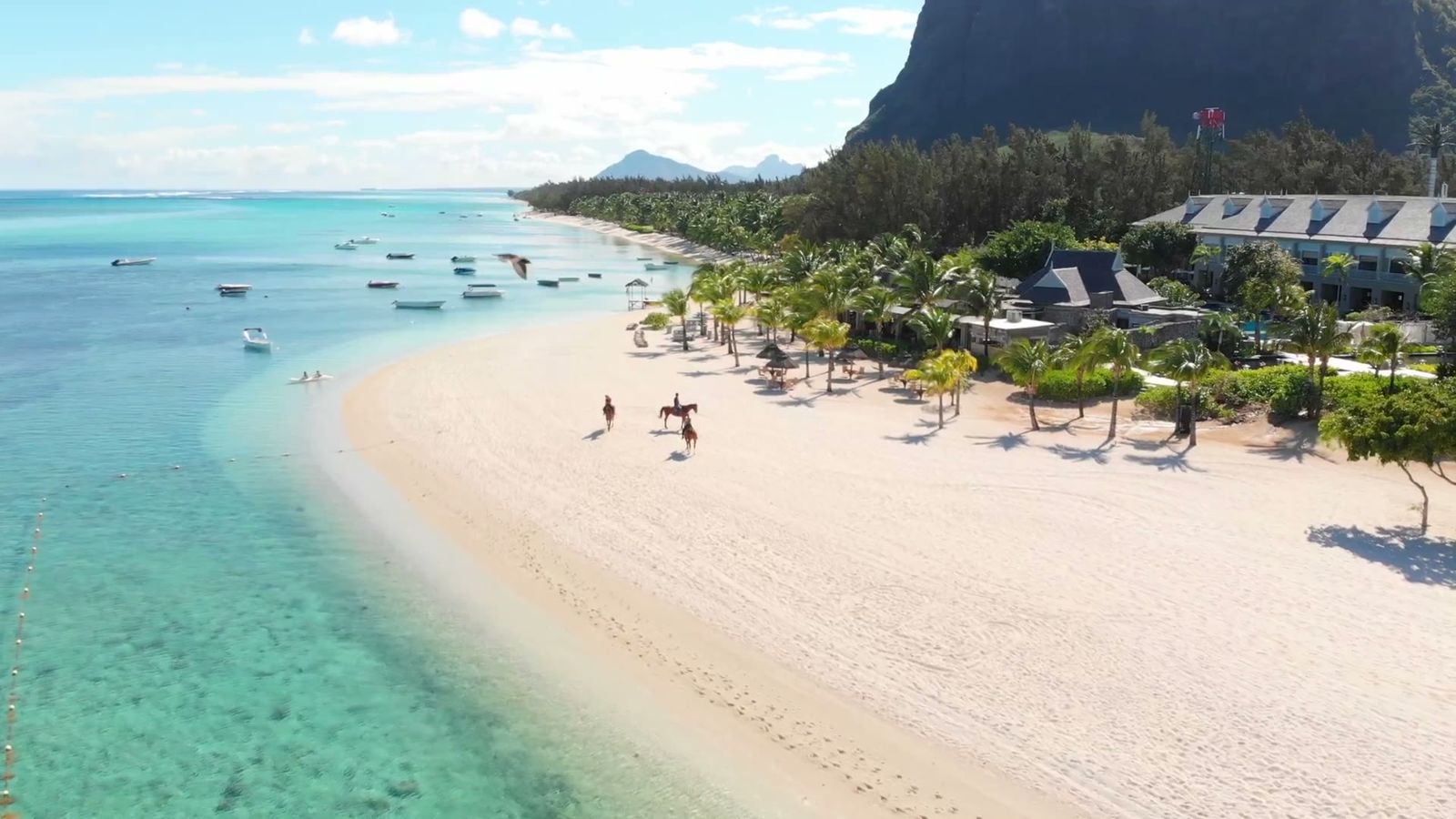
Discover when Mauritius's dry season runs, what weather to expect month by month, and why it matters for property viewings and relocation planning.
The Mauritius dry season runs from roughly May through November, with the core months of June, July, and August being the coolest, clearest, and least humid period of the year. During this time, the island sits under the influence of the south-east trade winds, which keep temperatures moderate, skies largely clear, and rainfall well below the levels seen in the wet season. For anyone planning a property viewing trip, a relocation recce, or simply deciding when to arrive, understanding this seasonal pattern is genuinely useful rather than just background colour.
Mauritius sits in the southern Indian Ocean at roughly 20 degrees south latitude, which means its seasons run opposite to the northern hemisphere. When London and Paris are in the depths of winter, Mauritius is in its warm, humid summer. When northern Europe enjoys long summer evenings, Mauritius is at its coolest and driest.
May marks the end of the cyclone season (which officially closes on 15 May) and the beginning of the dry period. Temperatures start to ease, dropping from the high twenties into the mid-twenties Celsius in coastal areas. Humidity falls noticeably, and the trade winds begin to pick up. Rain is still possible, particularly on the east coast and central plateau, but prolonged wet spells become less frequent. May is a good shoulder month: fewer visitors than June or July, and the weather is already comfortable for outdoor activity.
These are the two months that most clearly define the Mauritius dry season. Average daytime temperatures on the coast sit between 22 and 26 degrees Celsius. Nights can feel genuinely cool, particularly in the central highlands around Curepipe and Vacoas, where temperatures can drop to around 14 or 15 degrees. Sunlight hours are long relative to the cooler temperatures, and rainfall is at its annual low.
The trade winds are strongest in June and July, which matters depending on which part of the island you are considering. The east coast (Mahebourg, Belle Mare, Trou d'Eau Douce) and the south-east tend to be windier and can see more cloud cover during this period. The west coast (Tamarin, Black River, Flic en Flac) and the north (Grand Baie, Pereybere) are more sheltered from the south-east trades and generally enjoy calmer, sunnier conditions during the dry season. This is a meaningful distinction if you are comparing properties across different coastal areas.
August shares most of the characteristics of July. The trade winds remain steady, rainfall stays low, and temperatures begin to creep upward toward the end of the month. Whale watching is at its best in August, with humpback whales passing through Mauritian waters on their migration route. The island is busy with tourists, particularly from France and Reunion, so accommodation and flights tend to be in high demand.
September and October represent the tail end of the dry season. Temperatures climb back into the high twenties, and humidity begins to rise. Rain becomes more frequent, especially in October, though it rarely arrives as prolonged downpours at this stage. The trade winds ease, and the sea becomes calmer on the east coast. For property buyers, this period offers a reasonable compromise: the island is less crowded than peak season, the weather is still largely good, and you can get a realistic sense of what the warmer months feel like.
November is the hinge month. The dry season is effectively over, and the island moves toward its warmer, wetter summer. Temperatures regularly reach 28 to 30 degrees on the coast, humidity rises sharply, and afternoon thunderstorms become common. The cyclone season opens on 15 November. November is still manageable for visitors, but it no longer represents the reliable, settled weather of the core dry months.
The wet season runs from roughly December through April. This is the southern hemisphere summer, and in Mauritius it means higher temperatures (often 30 to 33 degrees Celsius on the coast), significantly higher humidity, and regular rainfall, sometimes heavy. The wet season is also cyclone season. Mauritius does not experience a direct cyclone hit every year, but the risk is real, and the island has well-established protocols for cyclone warnings.
Rainfall during the wet season is not evenly distributed. The east coast and central plateau receive considerably more rain than the west and north. Curepipe, sitting at around 550 metres elevation in the centre of the island, can receive over 3,000 millimetres of rain annually, while the north-west coast around Grand Baie typically receives closer to 900 millimetres. This difference is large enough to influence where people choose to live, and it is one reason the west and north coasts have historically attracted the majority of foreign property buyers.
The wet season has genuine appeal for some people: the island is greener, the temperatures are warm enough for swimming and watersports without a wetsuit, and the pace of life is different. But for a first visit or a property viewing trip, the dry season is almost always the more practical choice.
Mauritius is a small island (roughly 65 kilometres by 45 kilometres) but its microclimates are pronounced enough to affect daily life in a meaningful way.
The north and north-west (Grand Baie, Pereybere, Cap Malheureux, Mont Choisy) are the warmest and sunniest parts of the island year-round. They are sheltered from the south-east trades in the dry season and receive less rainfall than the east and centre. This area has the highest concentration of international restaurants, marinas, and social infrastructure, which partly explains its popularity with expatriates.
The west coast (Tamarin, Black River, Flic en Flac, La Preneuse) is also sheltered and sunny, with a slightly more relaxed atmosphere than the north. Tamarin in particular has become a hub for families and surfers, with good international schools within reasonable driving distance. The Tamarin Bay lagoon is one of the most reliable surf breaks on the island, and the Black River Gorges National Park is directly accessible from this coastline.
The east coast (Belle Mare, Trou d'Eau Douce, Mahebourg) is exposed to the south-east trades and receives more rainfall, particularly in the dry season when the trade winds carry moisture from the ocean. The beaches here are among the most spectacular on the island, with long stretches of white sand and clear lagoons, but the wind can be persistent from June through August. Property prices on the east coast have historically been somewhat lower than comparable properties in the north and west, partly for this reason.
The central highlands (Curepipe, Quatre Bornes, Rose Hill) are cooler and wetter than the coasts, and are home to a large proportion of the local Mauritian population. Foreign buyers rarely purchase here, but some relocating professionals working in Port Louis choose to live in the highlands for the cooler temperatures and more urban infrastructure.
If you are planning a trip to Mauritius specifically to view properties, the dry season offers several practical advantages.
First, the weather is consistent enough that you can plan outdoor activity with confidence. Viewing a property on a clear, breezy July morning gives you a genuinely representative picture of what the dry season is like, which is the period most buyers and renters consider the most desirable.
Second, the dry season is when the island is most accessible by sea. Boat trips to offshore islets, coastal viewings by water, and visits to properties with private jetties or beach access are all straightforward to arrange. In the wet season, sea conditions can make these activities difficult or impractical.
Third, the dry season is when the expatriate community is most active. Schools are in session (the Mauritian academic year runs roughly from January to December, with terms that partly overlap with the northern hemisphere calendar, but the major international schools generally follow a September to July year), and the social and professional networks that matter to relocating families are easier to access.
The practical implication is straightforward: if you can choose when to visit, aim for June through September. You will see the island at close to its best, and you will have the clearest possible basis for comparing different areas and property types.
One of the most common questions from prospective buyers is what daily life actually feels like during the dry season. The honest answer is that it is genuinely comfortable in a way that is difficult to replicate in most of northern Europe or South Africa during the same calendar period.
Mornings are typically clear and cool, with temperatures rising through the mid-twenties by mid-morning. The trade wind keeps things fresh rather than oppressive. Afternoons are warm and sunny. Evenings cool quickly, particularly from July onward, and a light jacket or layer is useful after sunset in the south or at altitude.
Watersports are at their best during the dry season. Kitesurfing and windsurfing conditions on the east coast (particularly at Le Morne and Anse la Raie) are world-class from June through September, driven by the consistent trade winds. Diving visibility is generally excellent during this period, with calmer conditions on the west coast allowing access to dive sites that can be difficult to reach in the wet season.
Golf courses (there are several championship courses on the island, including those associated with major resort developments) are in excellent condition during the dry season, with cooler temperatures making a full round comfortable even in the middle of the day.
Hiking in the Black River Gorges is far more pleasant in the dry season. Trails are drier, the risk of flash flooding is minimal, and the cooler temperatures make longer walks manageable.
Cyclone season in Mauritius runs officially from 15 November to 15 May. The dry season (May through November) sits almost entirely outside this window, which is one of the reasons it is the preferred period for first-time visitors and property buyers.
It is worth understanding what cyclone season actually means in practice. Mauritius has a well-organised warning system with four alert levels, and the population is experienced in responding to warnings. Properties built to modern standards are constructed to withstand cyclone conditions. Direct hits are relatively infrequent, and the island's infrastructure typically recovers quickly. That said, a cyclone pass-by or indirect impact can bring significant rainfall, strong winds, and disruption to travel for several days.
For buyers considering permanent relocation, cyclone resilience is a legitimate factor in property selection. Solid concrete construction, storm shutters, elevated ground floors in flood-prone areas, and proximity to emergency services are all worth discussing with your property adviser.
For most buyers, a viewing trip of seven to ten days during the dry season is sufficient to cover the main residential areas, meet legal and financial advisers, and form a clear view of where they want to focus. A suggested approach:
Residence through property purchase is available from USD 375,000 under an approved scheme such as a Property Development Scheme or Smart City development. Buyers under these schemes also benefit from a clear registration duty structure: non-citizens pay the standard 5% registration duty, and the seller pays a 5% land transfer tax. Always confirm current figures with the Mauritius Revenue Authority and the Economic Development Board, as property duties have been subject to legislative change in recent years.
The Mauritius dry season runs from May through November, with June, July, and August being the driest, coolest, and most settled months. Coastal temperatures during this period average between 22 and 26 degrees Celsius, with the west and north coasts being the most sheltered from the south-east trade winds. The dry season falls entirely outside the cyclone season, making it the most reliable period for travel, property viewings, and outdoor activity. Regional microclimates vary significantly across the island, and understanding these differences is a practical part of choosing where to buy or rent. For anyone planning a first visit to assess Mauritius as a place to live or invest, the dry season is the right time to come.
Hand-picked
Riviere Noire · West

Tamarin · West


Baie du Cap · South

Baie du Cap · South

Riviere Noire · West
Tamarin · West

Beau Champ · East
Explore by region
Explore the site
Market updates, buying guidance and the best new listings, straight to your inbox.
Mauritius Real Estate · 28 Oct 2026
Find the best Mauritius newspaper sources for today's news. A complete guide to print and online outlets for expats, investors and relocating…
Mauritius Real Estate · 28 Oct 2026
Explore beach villas in Mauritius for sale or rent. Learn about prime coastal locations, foreign buyer rules, duties, and what to expect at every…
Mauritius Real Estate · 22 Oct 2026
Browse apartments for sale and rent in Pereybere, Mauritius. Neighbourhood guide, buying tips, foreign ownership rules, and price expectations for…
Mauritius Real Estate · 22 Oct 2026
Discover which areas in Mauritius have the most affordable apartments to rent or buy, from Port Louis to Flacq, with practical tips for every budget.
Mauritius Real Estate · 22 Oct 2026
Everything you need to know about Plaine Magnien, Mauritius: location, lifestyle, amenities, property market and what it's like to live in this…
Mauritius Real Estate · 22 Oct 2026
Explore villa rental options in Mauritius by area, style, and budget. Understand the rental market, key locations, and what to expect before you sign.
Browse our current listings or speak to an agent.


