FOR RENTExpat
Rs450K/mo
Riviere Noire · West
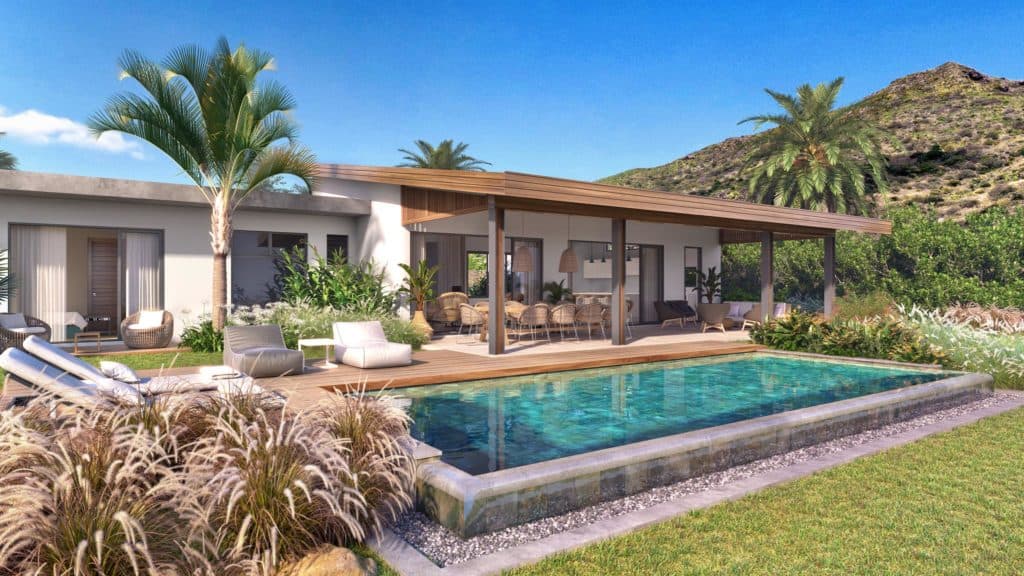
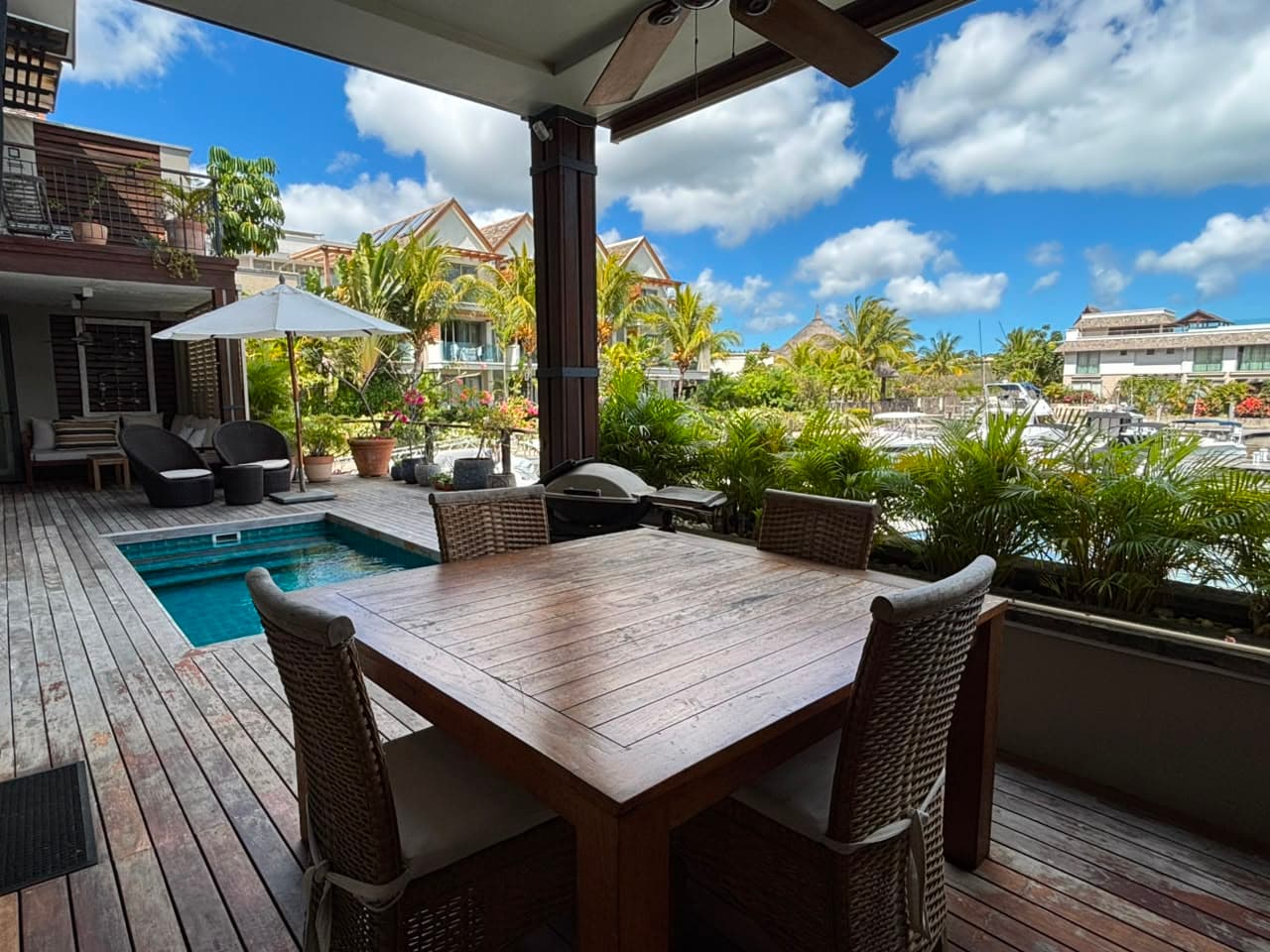
Ultimate Marina Lifestyle – Luxury Waterfront Residence, Private Mooring & Boat
44450m²

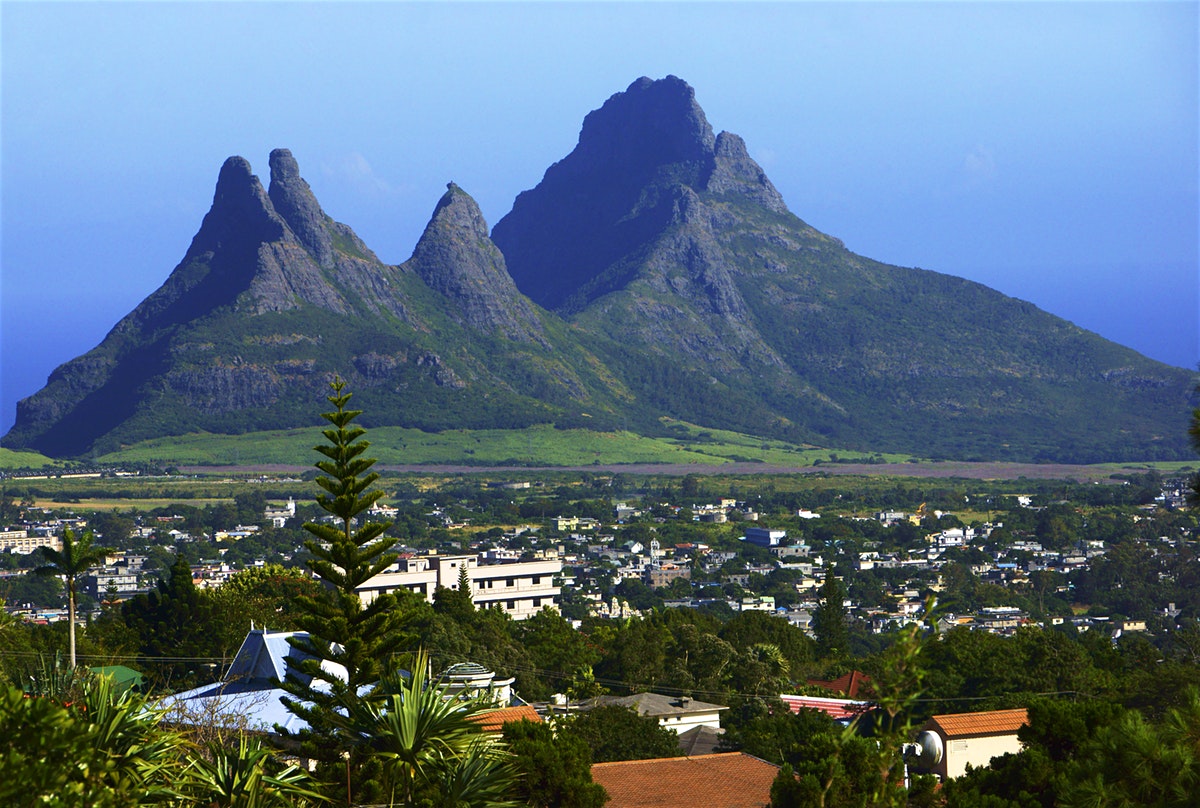
Explore the key towns in Mauritius for property, relocation and lifestyle. Compare character, amenities and investment potential across the island.
Mauritius is a small island, roughly 65 kilometres from north to south, but its towns are strikingly different from one another in character, pace, price and the kind of lifestyle they support. Whether you are buying a home, seeking a rental base, or evaluating where to register a business, understanding how the main towns compare is the most useful first step. This guide covers the towns that matter most to internationally mobile buyers, with honest notes on what each one offers and where property opportunities tend to sit.
Port Louis is the capital city and the island's financial and administrative hub. It sits on the north-west coast, sheltered by a ring of mountains, and it is where the Stock Exchange of Mauritius, the main government ministries, the port, and the headquarters of most large companies are located.
For buyers, Port Louis is primarily a commercial proposition rather than a residential one. The city centre is busy during working hours and quieter at weekends. The Caudan Waterfront development along the harbour edge has restaurants, a cinema, and retail, and it gives the city a more liveable feel than a purely administrative capital might otherwise have.
Residential property within Port Louis proper is limited. Most professionals who work in the capital choose to live in the quieter towns to the north or west, commuting in. That said, apartment developments in and around the waterfront area do exist and can appeal to buyers who want a city-centre pied-a-terre or an investment property with rental demand from business travellers and corporate tenants.
Corporate buyers, investors targeting rental yield from business tenants, and buyers who want proximity to the EDB (Economic Development Board) and financial institutions. It is rarely the first choice for families or lifestyle-driven relocators.
Grand Baie is the town most international buyers encounter first. Located on the north coast, it is well known for its concentration of restaurants, bars, watersports operators, supermarkets, and international schools nearby. The lagoon is calm, the beaches are accessible, and the town has a cosmopolitan atmosphere that appeals to European and South African buyers in particular.
Property prices in Grand Baie and the immediately surrounding villages (Pereybere, Cap Malheureux, Pointe aux Canonniers) sit at the higher end of the Mauritian market. Villas with sea views, apartments in gated complexes, and penthouses overlooking the bay are all available, and many developments here are approved under the Property Development Scheme (PDS) or Smart City framework, which means foreign buyers can purchase and qualify for residency if the purchase price meets the USD 375,000 threshold.
Grand Baie is the most established market for foreign buyers on the island, which means supply is relatively good but bargains are rare.
The west coast, centred on Tamarin and the Black River (Riviere Noire) area, has developed significantly over the past decade and is now one of the most sought-after locations for relocating professionals and families. The landscape is drier and more dramatic than the north, with the Rempart and Trois Mamelles mountains as a backdrop and long stretches of beach that are less crowded than Grand Baie.
Tamarin itself has a village feel with a growing number of cafes, a weekly market, surf breaks, and a strong community of long-term residents. The Tamarin Bay is one of the island's better-known surf spots. Property here ranges from modest local houses to large PDS villas within gated estates.
Black River, just to the south, is home to the Black River Gorges National Park entrance and is popular with buyers who want space and nature alongside coastal living. The Casela Nature Park is also in this area.
Several international schools are located in the west or within reasonable driving distance. The pace of life is calmer than the north, traffic is generally lighter than on the northern coastal road, and the airport is closer, typically 30 to 40 minutes depending on where exactly you are based. A number of Smart City and PDS developments have launched in this corridor, bringing modern infrastructure to what was previously a quieter part of the island.
Flic en Flac sits just north of Tamarin and offers one of the longest stretches of public beach on the island. It has a more relaxed, local character than Grand Baie and property prices have historically been lower, though the gap has narrowed as demand from both local and international buyers has increased.
The town has supermarkets, pharmacies, restaurants, and a lively seafront promenade. For buyers who want west coast access and a genuine community feel without the premium pricing of Tamarin, Flic en Flac is worth serious consideration. Apartment supply is relatively strong here, and G+2 (ground plus two floors) developments approved for foreign purchase have made this area more accessible to international buyers at price points below the PDS threshold.
Curepipe is the largest town in the central plateau and sits at an altitude of roughly 550 metres above sea level. The cooler temperature, higher rainfall, and green surroundings give it a very different atmosphere from the coastal towns. It is a proper functioning town with department stores, a theatre, a botanical garden, and a central market.
For buyers, Curepipe tends to attract those who prioritise space, cooler air, and proximity to schools and services over beach access. Property prices are generally more moderate than the coast, and the town has a substantial middle-class residential stock. International buyers are less common here than in the coastal zones, but it is not unusual for professionals working in Port Louis or the central business areas to choose Curepipe for its practicality.
The town is also home to the Trou aux Cerfs volcanic crater, a well-maintained public park with views across the plateau on clear days.
Moka is not a traditional town in the same sense as Curepipe or Grand Baie, but it has become one of the most important locations for property buyers over the past decade. The Moka Smart City development has transformed a formerly quiet inland area into a planned urban district with offices, retail, schools, medical facilities, and residential properties all within walking distance of each other.
Moka sits in the centre of the island, which means it is roughly equidistant from the north and south coasts and has reasonable road access to Port Louis. For buyers who work in the financial services or technology sectors, Moka has become a genuine alternative to the coastal lifestyle towns. Properties within the Smart City scheme are available to foreign buyers, and qualifying purchases at or above USD 375,000 confer the right to apply for a residence permit.
The proximity to several of the island's leading private schools, including Northfields International High School, makes Moka particularly attractive to families.
Mahebourg is the main town of the south-east coast and has a quieter, more traditional Mauritian character than the tourist-oriented north. The waterfront promenade, the historical museum, the weekly market, and the proximity to the Blue Bay Marine Park make it genuinely appealing for buyers who want to live among local life rather than in an expat enclave.
Property prices in the south-east are generally lower than the north and west, and there is more land and space available. The airport is close, which is a practical advantage, though some buyers find the airport proximity a drawback depending on flight paths.
The south as a whole, including the areas around Souillac and Bel Ombre, has seen investment in resort and PDS developments that have brought international-standard amenities to a part of the island that was previously underdeveloped from a property perspective.
Regardless of which town you are drawn to, the legal framework for foreign property ownership in Mauritius applies island-wide. Foreign nationals cannot buy freehold property on the open market in the same way Mauritian citizens can. Purchases must go through an approved scheme: the Property Development Scheme (PDS), Smart City, or certain G+2 apartment buildings.
Key facts to keep in mind:
Always confirm current rates and thresholds with the Mauritius Revenue Authority (MRA) and the Economic Development Board (EDB), as these figures are subject to change with each Budget.
| Town or Area | Best For | Price Level | Beach Access |
|---|---|---|---|
| Grand Baie | Social lifestyle, expat community | High | Yes |
| Tamarin / Black River | Families, nature, surf | High to mid | Yes |
| Flic en Flac | Value, local community | Mid | Yes |
| Port Louis | Investment, business proximity | Mid | No |
| Curepipe | Space, cool climate, practicality | Mid to low | No |
| Moka | Smart City living, schools, central location | Mid to high | No |
| Mahebourg / South | Authenticity, value, airport proximity | Low to mid | Yes |
The right town depends on your priorities: beach access, school catchment, commute time, community feel, or investment yield. Many buyers visit several areas before deciding, and it is worth spending time in each location at different times of the week before committing.
For a deeper look at how the buying process works once you have chosen a location, see our guide to buying property in Mauritius as a foreign national.
Hand-picked
Riviere Noire · West
Baie du Cap · South

Riviere Noire · West

Baie du Cap · South
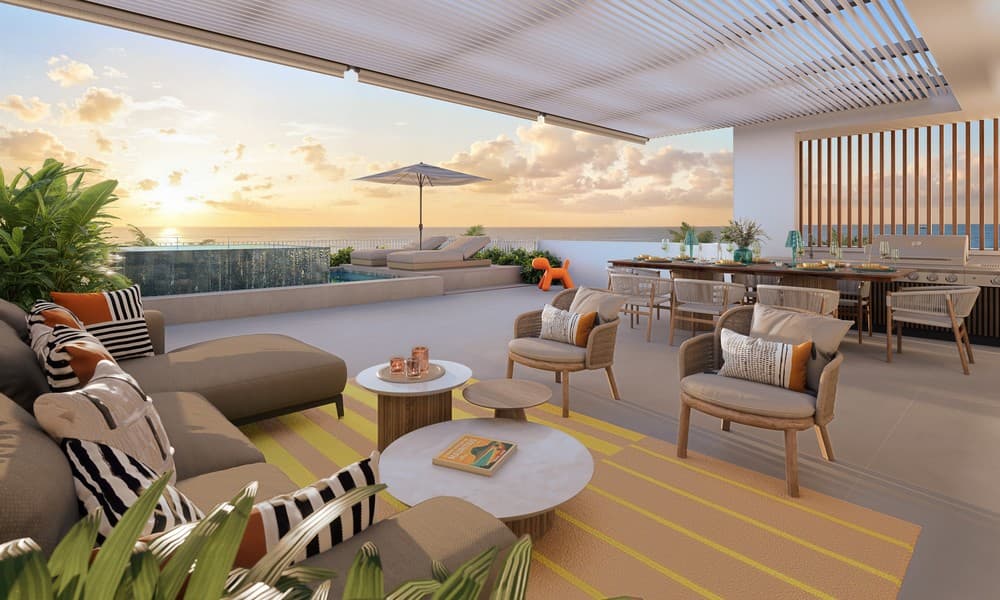
Tamarin · West
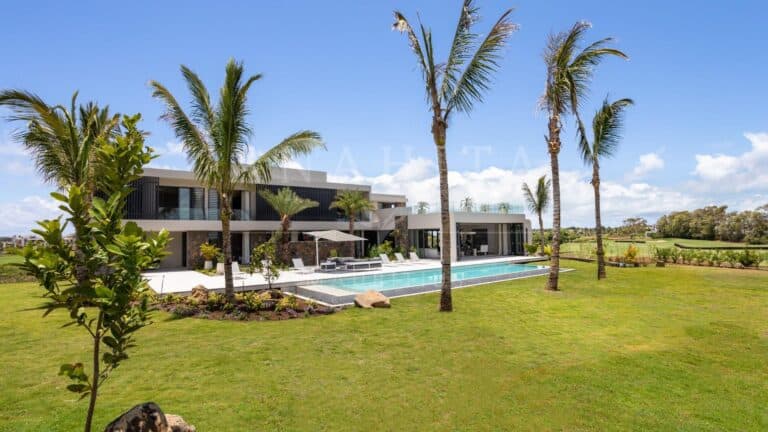
Beau Champ · East
Explore by region
Explore the site
Market updates, buying guidance and the best new listings, straight to your inbox.
Mauritius Real Estate · 17 Nov 2026
Buy or lease office commercial property in Mauritius: legal rules for foreign buyers, costs, finance options, and how to search the main business…
Mauritius Real Estate · 17 Nov 2026
A practical guide to business setup in Mauritius: company structures, costs, tax rates, Occupation Permits, and how to get started with the EDB.
Mauritius Real Estate · 17 Nov 2026
Everything you need to know about Black River Business Park in Mauritius: location, office options, business setup rules, and property investment…
Mauritius Real Estate · 17 Nov 2026
Find a beachfront apartment in Mauritius. Compare coastal areas, understand foreign buyer rules, and explore rental and purchase options across the…
Mauritius Real Estate · 16 Nov 2026
Everything you need to know about the Real Estate Agent Authority in Mauritius: licensing, registration, how to verify an agent, and how to set up a…
Mauritius Real Estate · 10 Nov 2026
Discover the key reasons South Africans relocate to Mauritius: tax structure, residency routes, safety, careers, and lifestyle. Practical facts from
Browse our current listings or speak to an agent.