FOR RENTExpat
Rs65K/mo

Understand Mauritius land size, local measurement units like arpents and toises, and what they mean for buying residential or farm land in Mauritius.
Mauritius covers a total land area of approximately 2,040 square kilometres, making it one of the smaller island nations in the Indian Ocean but one with a well-developed and legally structured property market. For anyone researching a land plot in Mauritius, whether for a home, a business, or an agricultural project, understanding both the island's physical scale and its local measurement conventions is essential before you start comparing listings or making offers.
This guide explains how land is measured in Mauritius, what the common units mean in practical terms, how land is parcelled across the island, and what foreign buyers need to know before purchasing residential or farm land in Mauritius.
The island of Mauritius (excluding Rodrigues and the outer islands) spans roughly 1,865 square kilometres. When Rodrigues Island (about 109 sq km) and smaller dependencies are included, the total territory reaches approximately 2,040 square kilometres. For scale, that is roughly the size of Luxembourg or slightly smaller than the English county of Suffolk.
The island is about 65 kilometres from north to south and 45 kilometres from east to west at its widest points. This compact geography has a direct consequence for property: land is finite, coastal zones are tightly regulated, and prime plots, particularly in the west and north, are genuinely scarce.
Historically, a large proportion of Mauritius's flat, fertile land was devoted to sugar cane cultivation. That proportion has declined significantly over the past two decades as former agricultural estates have been converted into residential and mixed-use developments under government-approved schemes. Today, land use in Mauritius falls broadly into the following categories:
This breakdown matters for buyers because it directly affects what land is legally available, what can be built on it, and at what price.
Mauritius uses a mix of traditional French-origin units and metric measurements. Property listings, title deeds, and notarial documents routinely use the older units, so understanding them is practical, not just historical.
The toise is the smallest unit commonly encountered in Mauritian property documents. One toise equals approximately 3.8 square metres (more precisely, one toise carrée is 3.796 sq m). You will see toise used to describe very small plots or the precise dimensions of urban lots.
The arpent is the most widely used land measurement unit in Mauritius and the one you will encounter most often in listings and deeds. One arpent equals 100 toises carrées, which works out to approximately 422.5 square metres, or roughly 0.04225 hectares.
To put that in everyday terms:
For buyers more familiar with metric or imperial measurements, here is a quick reference:
| Unit | Approx. Metric Equivalent | Approx. Imperial Equivalent | |---|---|---| | 1 toise | 3.8 sq m | 40.9 sq ft | | 1 arpent | 422.5 sq m | 4,547 sq ft (approx. 0.10 acres) | | 10 arpents | 4,225 sq m | ~1.04 acres | | 100 arpents | 42,250 sq m | ~10.4 acres |
When a listing says a plot is "2 arpents 50 toises," it means 2 arpents plus 50 toises, totalling roughly 1,034 square metres. Always verify the precise figure in the notarial deed, where measurements will also appear in square metres.
Yes. Modern subdivisions, planning applications, and official government documents increasingly express land area in square metres and hectares alongside or instead of arpents and toises. However, older title deeds and many private listings still lead with the traditional units. A knowledgeable notary or estate agent will translate between both systems without difficulty.
The distribution of available land plots in Mauritius is uneven, shaped by the island's topography, its sugar estate history, and the planning zones set by local authorities.
The northern coast around Grand Baie, Pereybere, and Cap Malheureux has long been the most popular area for residential development. Plots here are relatively small and expensive. Freehold residential land for sale in this corridor is limited, and much of what becomes available is released through approved development schemes.
Land for sale in Flic en Flac and the broader Riviere Noire district represents one of the most active markets on the island. The west coast offers a combination of beach proximity, relatively flat terrain, and good road access to Port Louis (roughly 30 minutes). Plot sizes in Flic en Flac village and the surrounding residential zones vary considerably, from compact urban lots of under 200 square metres to larger plots of several arpents on the hillsides rising toward Tamarin and Black River. The western coast also hosts several Smart City and PDS developments, which is relevant to foreign buyers (see below).
The east coast (Mahebourg, Belle Mare, Trou d'Eau Douce) and the south (Bel Ombre, Souillac) offer more space at generally lower land prices than the north or west, though infrastructure and services are less dense. Agricultural land in these areas, including former sugar cane fields, has been released for residential and tourism use over the past decade.
Towns such as Curepipe, Quatre Bornes, Vacoas, and Rose Hill sit on the central plateau and offer a cooler climate and established urban infrastructure. Land plots here tend to be smaller and more densely surrounded by existing buildings. Prices are generally lower per square metre than coastal areas.
Foreign nationals face specific legal restrictions when buying land in Mauritius. Understanding these rules is essential before viewing plots.
A non-citizen cannot purchase bare land in Mauritius on the open market. The general rule is that foreigners may only acquire residential property (including land with a villa or apartment) through one of the government-approved investment schemes:
These schemes allow a foreign buyer to acquire a property (and the land it sits on) with full freehold title. The minimum qualifying purchase price for residency eligibility is USD 375,000.
Under the Finance Act 2026, which came into force on 13 August 2026, non-citizens purchasing under PDS, Smart City, RES, or G+2 schemes pay the standard rates: 5% registration duty (paid by the buyer) and 5% land transfer tax (paid by the seller). An earlier increase to 10% that had been introduced under the Finance Act 2025 was repealed. A separate 10% duty applies to the seller only on G+2 homes on State land or Pas Géométriques sold to a non-citizen.
First-time buyers benefit from registration duty relief on the first MUR 3 million of a bare land purchase, or the first MUR 6 million of a house or apartment purchase. Confirm the current thresholds and your eligibility with the Mauritius Revenue Authority (MRA) before signing any agreement.
Farm land for sale in Mauritius is generally not accessible to foreign buyers through direct purchase. Agricultural land outside approved schemes is restricted to Mauritian citizens and companies. Some former agricultural land that has been rezoned and incorporated into a PDS or Smart City development may be available, but the land will have changed its legal classification before sale. If agricultural use is your goal, you should take specific legal advice from a Mauritian notary.
A foreign national who purchases a qualifying property worth at least USD 375,000 through an approved scheme automatically qualifies for a residence permit for themselves and their immediate family. This permit remains valid as long as the property is held. It is separate from the Occupation Permit, which is work or investment-based.
Several factors determine the price per arpent or per square metre of a given plot:
Proximity to the coast: Beachfront and sea-view plots command a significant premium over inland plots, sometimes by a factor of three to five times.
Planning zone: Land zoned for residential development is more valuable than land zoned agricultural. Rezoning is controlled by the local authority and is not guaranteed.
Access and infrastructure: Plots with road frontage, mains water, electricity, and drainage connections are worth more than raw land requiring those connections to be established.
Scheme membership: A plot within a PDS or Smart City development carries a premium because it is legally accessible to foreign buyers and typically includes managed infrastructure and amenities.
Topography: Flat land is generally more valuable than steeply sloping land, particularly for construction purposes.
Proximity to services: Schools, hospitals, supermarkets, and the motorway network all influence residential land values.
Whether you are a Mauritian citizen or a foreign buyer purchasing through an approved scheme, the process follows a structured legal path.
Always use a Mauritian notary (notaire) for property transactions. The notary acts as an officer of the law, not as an advocate for either party, and is responsible for verifying the legality of the transaction.
Hand-picked
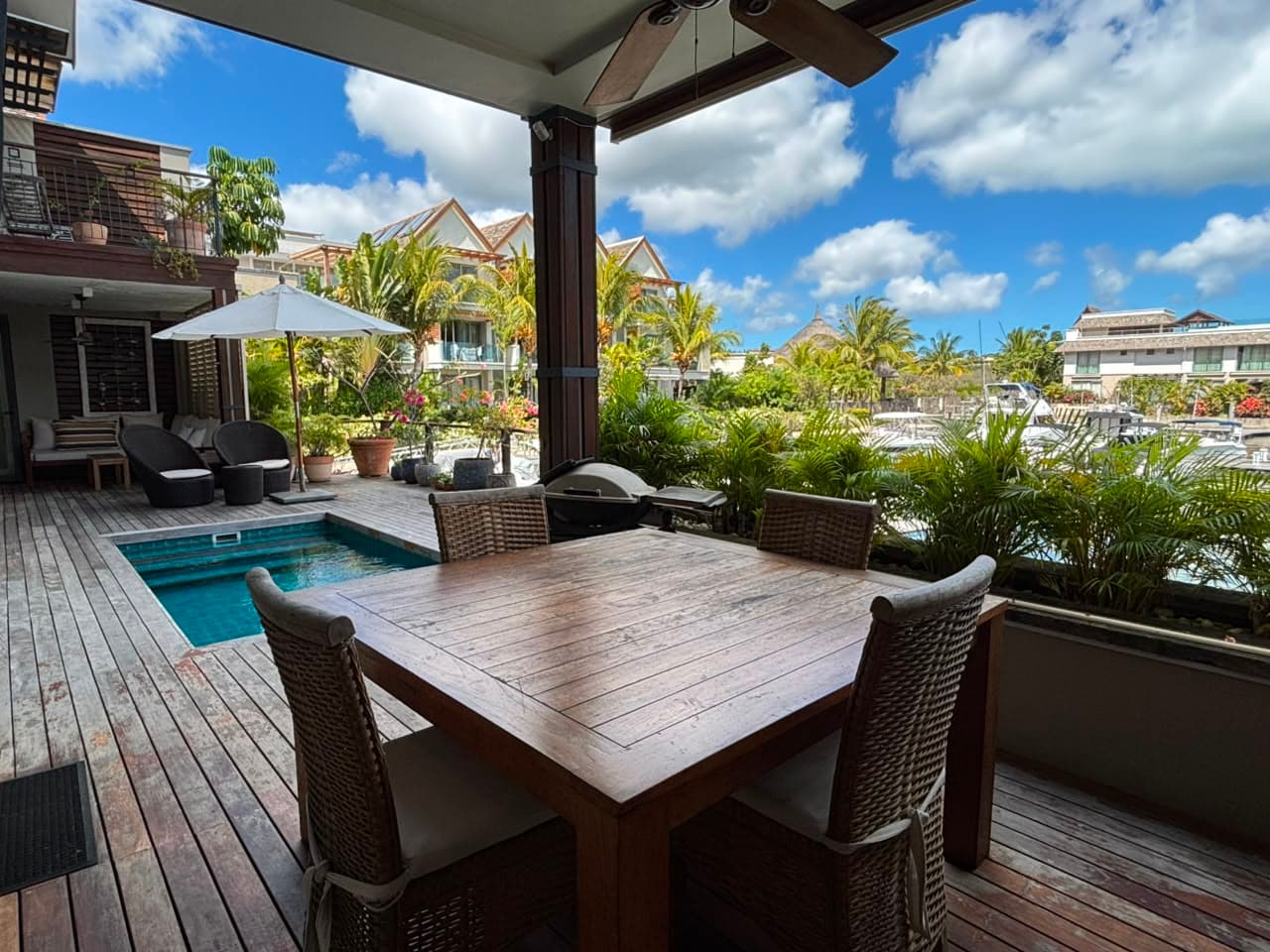
Riviere Noire · West

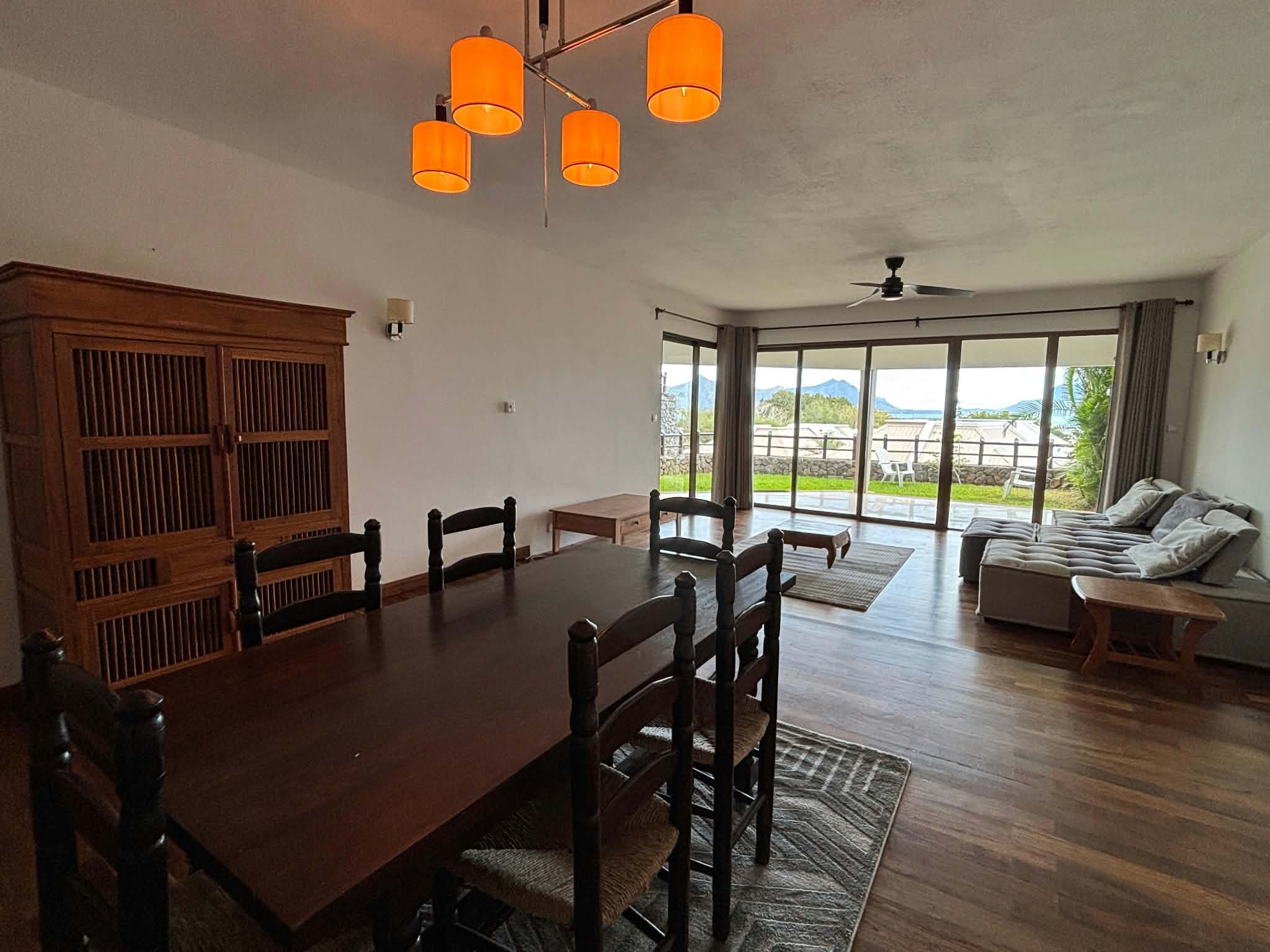
Tamarin · West

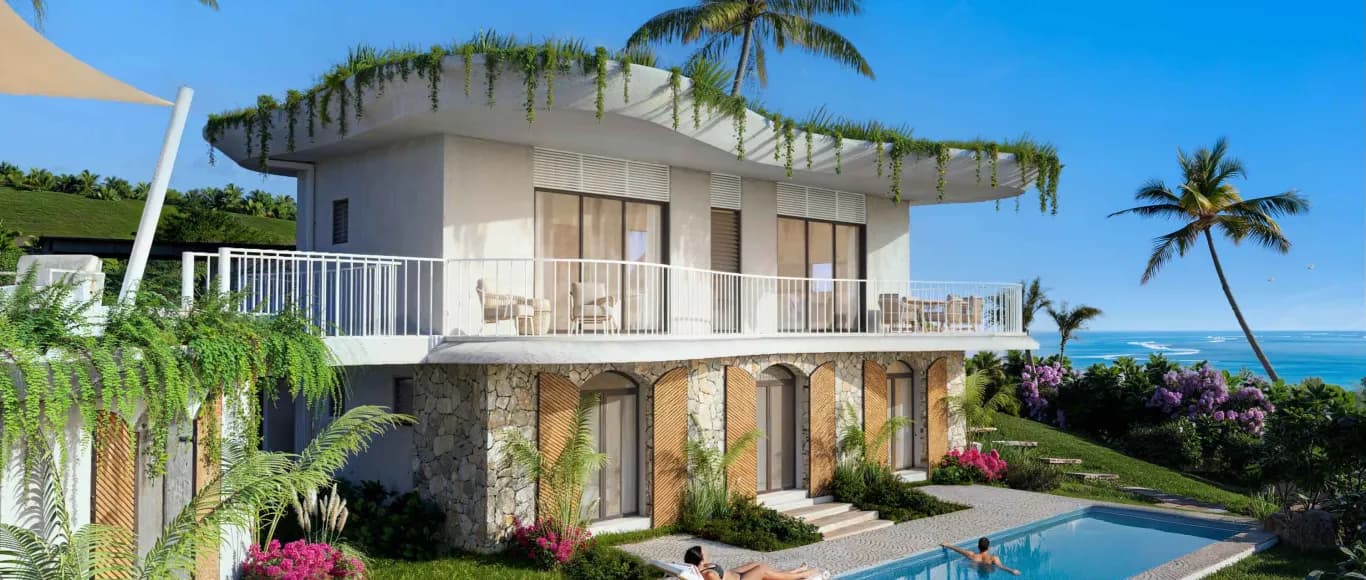
Baie du Cap · South
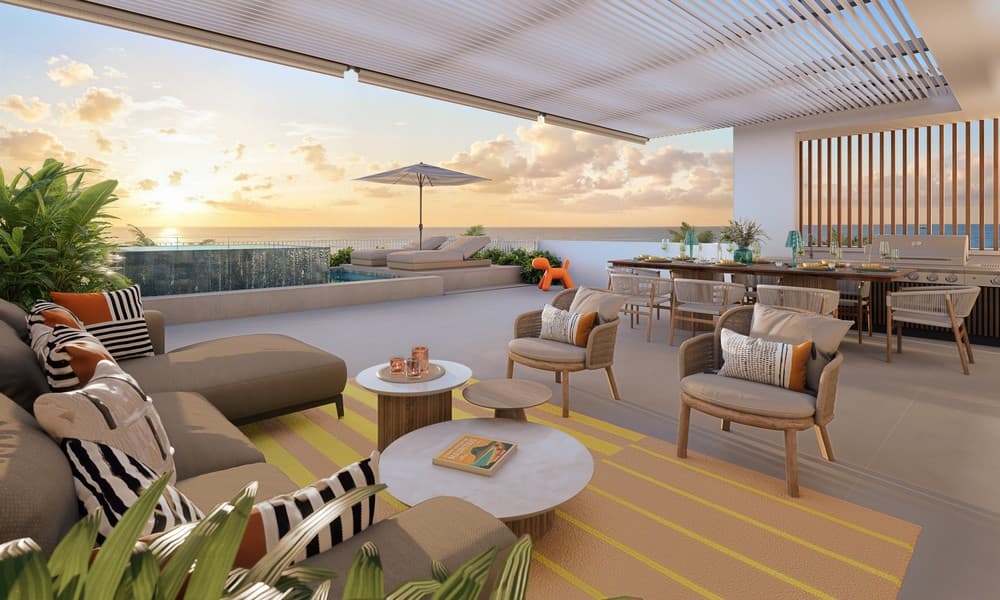
Tamarin · West
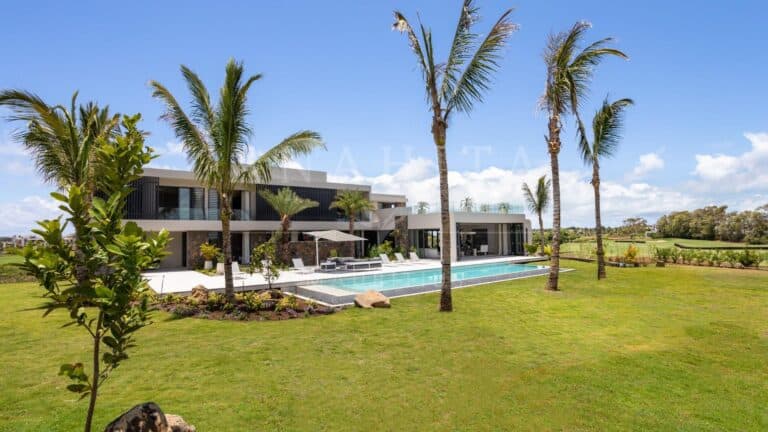
Beau Champ · East
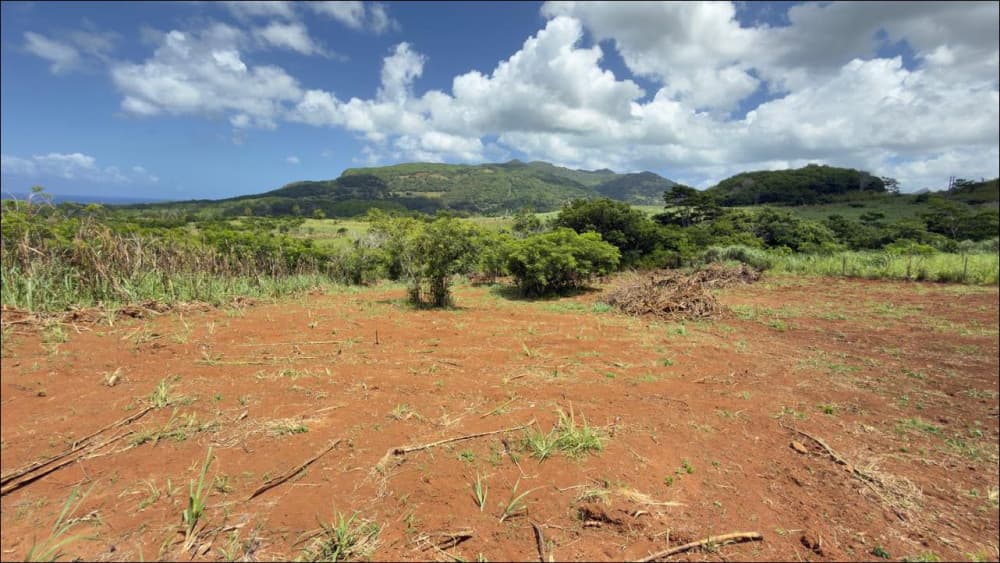
Baie du Cap · South
Explore by region
Explore the site
Market updates, buying guidance and the best new listings, straight to your inbox.
Mauritius Real Estate · 20 Oct 2026
Browse holiday apartments in Mauritius for rent or sale. Discover top areas, what to budget, and how the buying process works for foreign nationals.
Mauritius Real Estate · 20 Oct 2026
What is the Smart City Scheme in Mauritius, which projects exist, and how do foreign buyers qualify for residency? Clear answers and costs in one…
Mauritius Real Estate · 20 Oct 2026
Step-by-step guide to the legal process of buying property in Mauritius: eligibility, preliminary agreement, notary deed, duties and title…
Mauritius Real Estate · 20 Oct 2026
Explore property in Flacq District, Mauritius: area guide, neighbourhoods, price ranges, apartments for rent, houses for sale, and buying tips for…
Mauritius Real Estate · 19 Oct 2026
Explore real estate in Port Louis, Mauritius. Find houses for sale, apartments to rent, and expert guidance on buying property in the capital.
Mauritius Real Estate · 19 Oct 2026
Discover suburban property in Mauritius: top neighbourhoods, property types, buying rules for foreigners, and how to find the best listings outside…
Browse our current listings or speak to an agent.