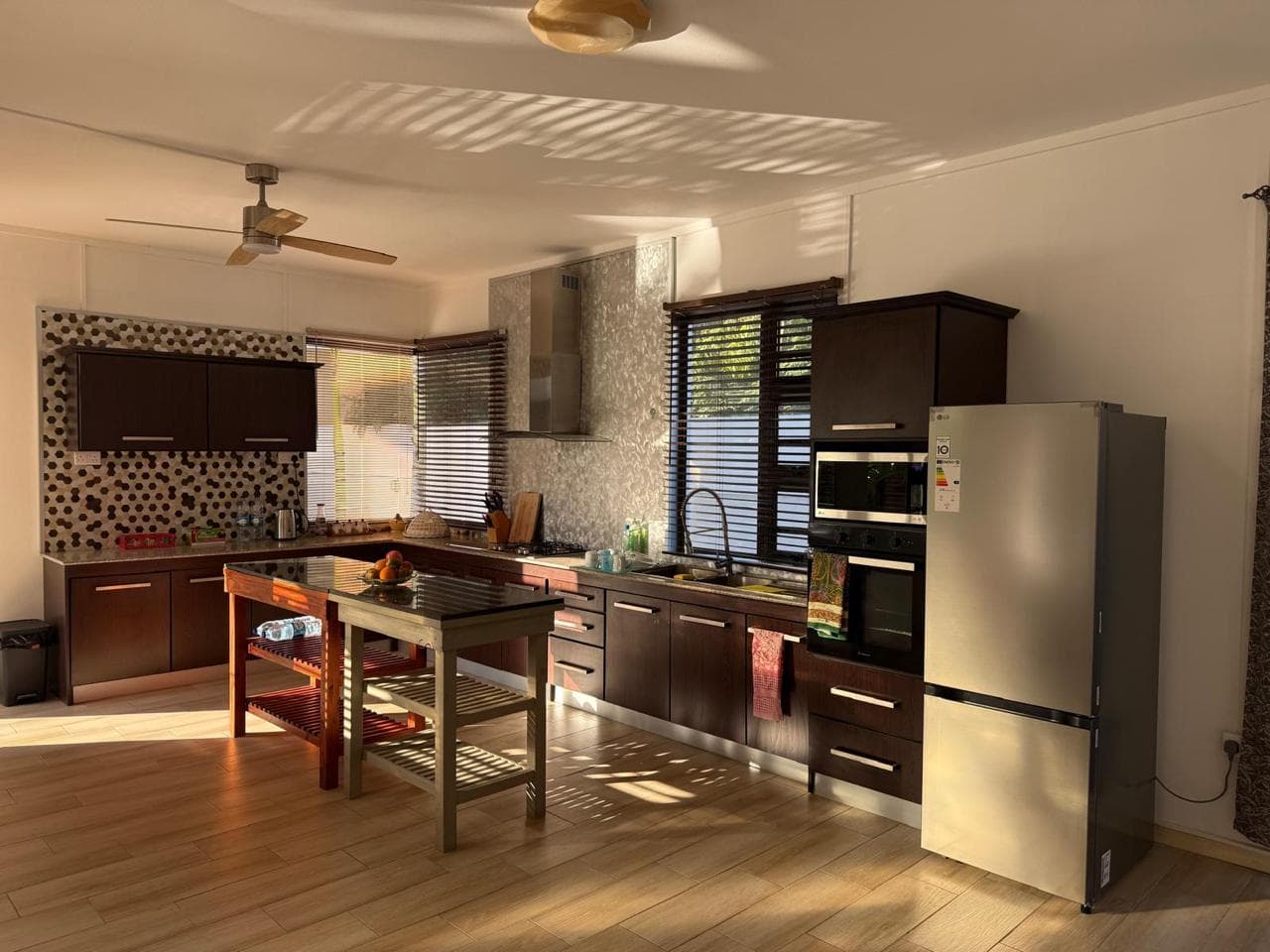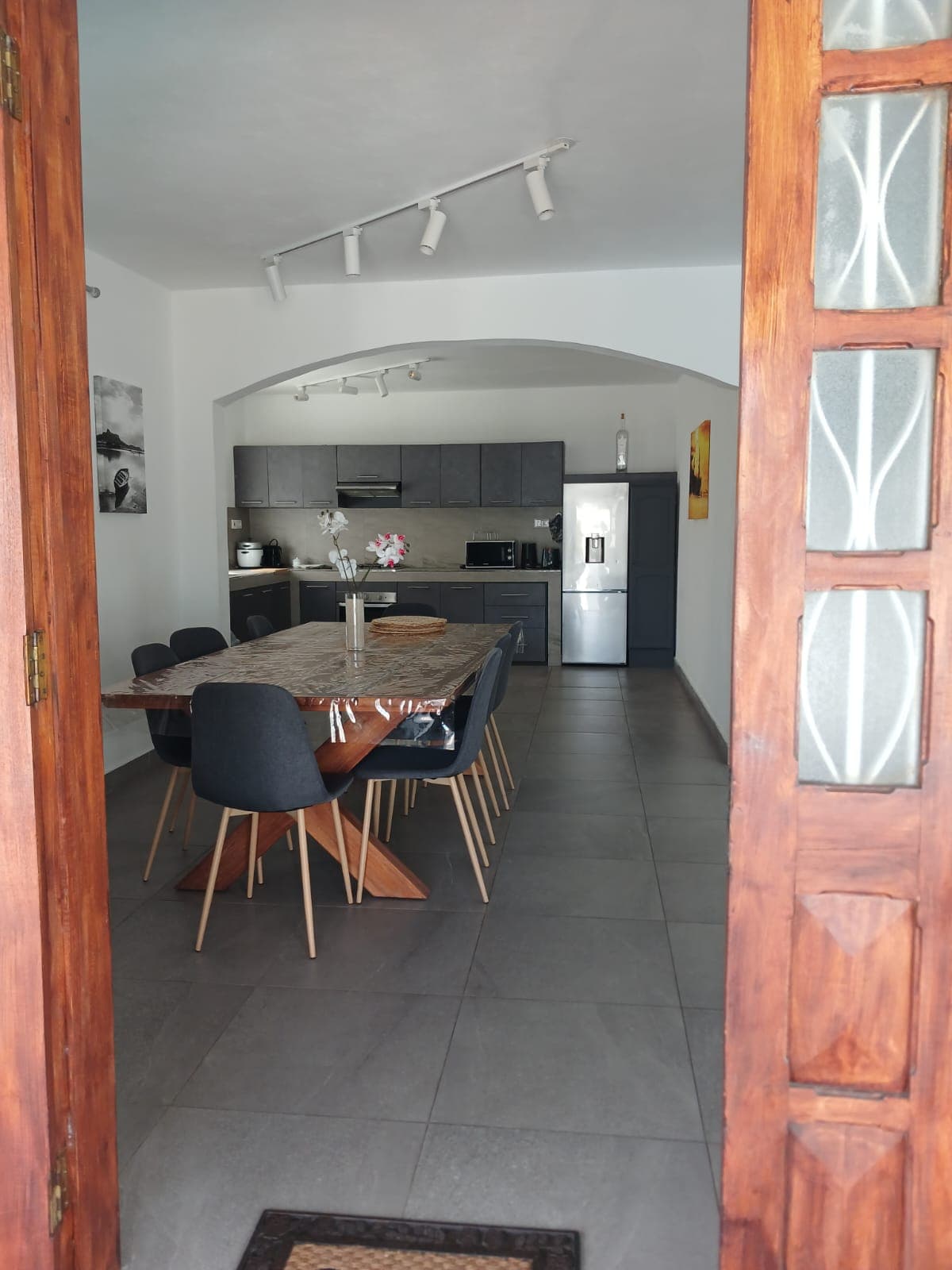
FOR RENTExpat
Rs65K/mo
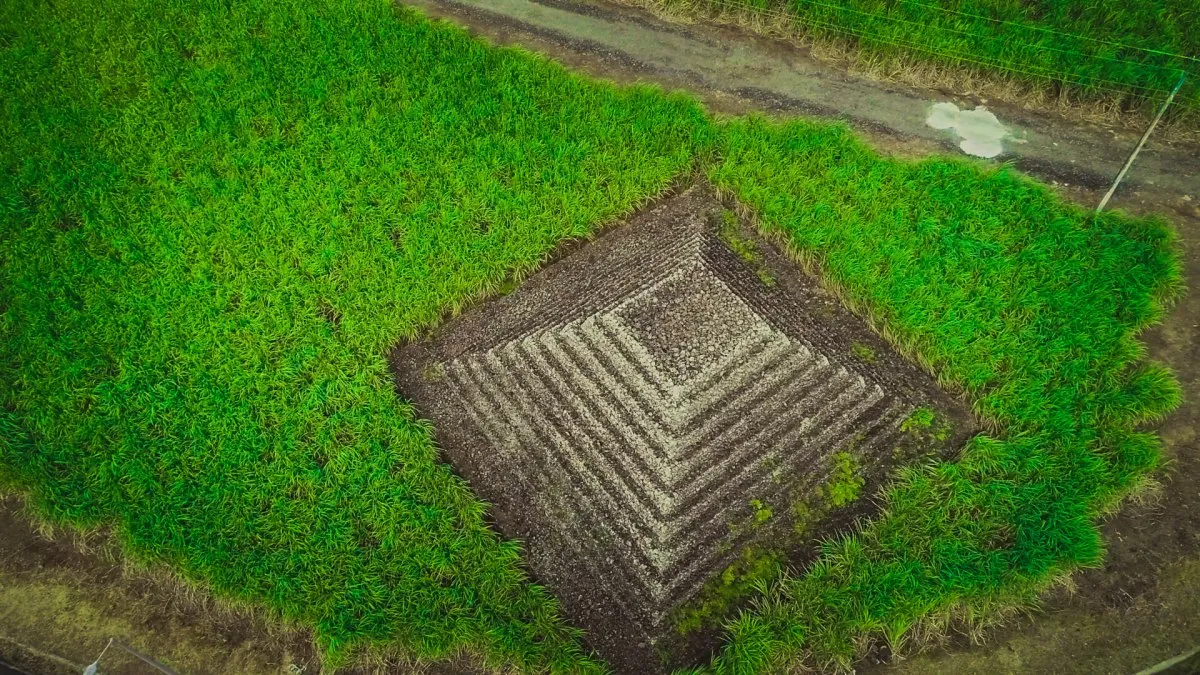
Everything you need to know about Plaine Magnien, Mauritius: location, lifestyle, amenities, property market and what it's like to live in this southeast town.
Plaine Magnien is a small town in the Savanne district of southeast Mauritius, situated roughly 7 kilometres northwest of Mahébourg and about 4 kilometres from Sir Seewoosagur Ramgoolam International Airport. That proximity to the airport is the single most defining feature of the area: it makes Plaine Magnien one of the most accessible parts of the island for frequent travellers and new arrivals, yet it sits just far enough from the terminal to avoid significant aircraft noise in most residential streets.
The town sits on a broad, relatively flat plateau typical of the southeast, giving it the open, agricultural feel that the name itself suggests. Sugarcane fields and market gardens still border the town on several sides, though residential and commercial development has expanded steadily over the past decade. The Blue Bay Marine Park and the beaches of Mahébourg Bay are within a short drive, placing Plaine Magnien in a region that combines working-town practicality with genuine coastal access.
Plaine Magnien sits along the main B9 road that connects the airport corridor to Mahébourg and the coastal south. The Royal Road passes through the town centre, linking it northward toward Rose Belle and the motorway network that reaches Port Louis in roughly 45 minutes under normal traffic conditions. Curepipe, the commercial hub of the central plateau, is approximately 25 kilometres away.
Public buses run regularly between Plaine Magnien, Mahébourg, and the central plateau towns, making the area workable without a car for daily errands. That said, most residents and expatriates who settle here do own a vehicle: the road network is straightforward, fuel costs are manageable, and driving between the southeast and the business districts of Ebene or Port Louis is a routine commute rather than an ordeal. The airport proximity also means that residents who travel internationally for work can reach departures in under ten minutes from most streets in the town.
Plaine Magnien is a functional, unpretentious town. It is not a resort area and does not market itself as one. What it offers instead is the kind of settled, community-oriented daily life that many relocating professionals and families find more sustainable than living in a tourist-facing enclave.
Shops and markets: The town has a cluster of small supermarkets, pharmacies, hardware stores, and local traders along the main road. Larger supermarkets and hypermarkets are a short drive away in Mahébourg or along the airport commercial strip. The Mahébourg weekly market, one of the most characterful on the island, is close enough to visit comfortably on a Saturday morning.
Healthcare: The Mahébourg Hospital serves the broader southeast region and is within easy reach. Several private clinics and GP practices operate in and around the area. For specialist or elective care, residents typically travel to Clinique Darné or Wellkin Hospital in the central plateau, both accessible within 30 to 40 minutes.
Schools: Families with children will find a range of state primary and secondary schools in and around Plaine Magnien and Mahébourg. International schooling options, including the Lycée Labourdonnais and other private institutions, are generally located in the central plateau and north, meaning a commute is required. This is a practical consideration worth factoring in during a property search.
Dining and social life: The town itself has local restaurants and takeaways serving Mauritian cuisine. The broader southeast region, particularly Mahébourg and the coastal villages toward Blue Bay, offers a more varied dining scene. The Mahébourg waterfront promenade has become a genuinely pleasant place to spend an evening, with several restaurants and a relaxed atmosphere that feels authentically Mauritian rather than tourist-facing.
The southeast of Mauritius receives more rainfall than the drier west coast, which keeps the landscape green and lush year-round. Plaine Magnien sits at a modest elevation and benefits from the trade winds that make the southeast generally cooler and breezier than the north or west, particularly between June and September. Cyclone season (roughly November to April) affects the whole island, and the southeast can experience heavier rainfall during this period, though well-built properties in the area are constructed to local cyclone-resistant standards.
The proximity to the coast means that Blue Bay, one of Mauritius's most protected and ecologically significant lagoons, is reachable in under ten minutes by car. Ile aux Aigrettes, the restored coral island nature reserve, sits just offshore from Mahébourg. For residents who value access to nature, the southeast offers a combination of reef, lagoon, wetland, and open farmland that is hard to match elsewhere on the island.
Visitors exploring the Plaine Magnien area before committing to a property purchase often stay in locally run guest houses rather than large resort hotels. The southeast has a number of small, family-operated establishments that offer a more grounded experience of daily life in the region.
Plaine Verte is a locality within the broader Plaine Magnien area, and guest houses operating under that name or in that neighbourhood typically offer simple, clean accommodation at rates well below the resort belt of the west and north. Staying in one of these properties for a week or two before buying is genuinely useful: it gives a realistic sense of traffic patterns, noise levels, the quality of local services, and the rhythm of the community. If you are viewing properties in the southeast, asking a local estate agent for guest house recommendations in the Plaine Magnien or Mahébourg corridor is a practical first step.
Plaine Magnien is primarily a local residential market. Unlike Grand Baie, Tamarin, or the PDS-heavy coastal developments of the west, this area is not dominated by foreign-buyer schemes. That distinction shapes both the price level and the type of property available.
Local residential stock: The majority of properties in and around Plaine Magnien are Mauritian-built houses on freehold or long-leasehold land, ranging from modest concrete homes to larger family villas. Plot sizes tend to be generous by Mauritian standards, and the flat terrain makes construction straightforward. Prices in this market are generally lower than equivalent square footage in the northwest or west coast corridors.
What foreign buyers can purchase: Foreign nationals cannot freely purchase residential property on the open Mauritian market. The legal framework restricts foreign ownership to specific approved schemes: the Property Development Scheme (PDS), Smart City developments, and the G+2 (ground plus two floors) apartment category. None of these scheme types is currently concentrated in Plaine Magnien itself, which means that buyers seeking foreign-eligible property in the southeast will typically look toward developments in the broader Mahébourg or Blue Bay corridor, or further along the coast.
That said, the airport proximity and the expanding commercial activity around the airport zone have attracted developer interest in the southeast, and this is a region worth monitoring for new scheme announcements. Confirming the status of any specific development with the Economic Development Board (EDB) is essential before proceeding.
Rental market: The rental market in Plaine Magnien is active among local workers, airport and airline staff, and some expatriate professionals who prefer a quieter, more affordable base than the resort towns. Long-term rental yields in this type of market can be steady, though the tenant profile differs significantly from the short-term holiday rental market that drives yields in the north and west.
Foreign nationals who purchase property under an approved scheme at a minimum value of USD 375,000 are eligible to apply for a residence permit in Mauritius. This applies to PDS and Smart City developments. The permit covers the buyer and their immediate family and remains valid as long as the property is held.
Because Plaine Magnien's property market is predominantly local residential stock rather than approved scheme developments, this residency route is not typically available through a direct purchase in the town itself. Buyers specifically seeking the residency-linked purchase route should focus their search on PDS or Smart City projects in the southeast region, checking with the EDB for currently approved schemes.
For those coming to Mauritius on an Occupation Permit as an investor (minimum initial investment of USD 100,000) or as a professional (minimum monthly salary of MUR 50,000), Plaine Magnien's airport proximity and lower cost of living can make it an appealing base, even if the property is rented rather than purchased.
Mauritius has no capital gains tax and no inheritance or estate tax, which means property held in the southeast, as anywhere on the island, is not subject to those charges on sale or transfer.
Personal income tax in Mauritius is progressive: no tax on the first MUR 500,000 of annual income, 10% on income between MUR 500,001 and MUR 1,000,000, 20% on income between MUR 1,000,001 and MUR 12,000,000, and 35% above MUR 12,000,000. These rates apply from the income year beginning 1 July 2026. Rental income earned in Mauritius is subject to income tax under this progressive structure.
For property transactions under approved schemes (PDS, Smart City, RES, or G+2), the standard registration duty paid by the buyer is 5%, and the land transfer tax paid by the seller is also 5%, following the Finance Act 2026 which came into force on 13 August 2026. A separate 10% duty applies to the seller only on G+2 homes situated on State land or Pas Géométriques when sold to a non-citizen. First-time buyers benefit from registration duty relief on the first MUR 3 million of a bare land purchase or the first MUR 6 million of a house or apartment purchase. Always confirm current rates and thresholds with the Mauritius Revenue Authority (MRA) and the EDB, as these figures are subject to change with each Budget.
The population is predominantly Mauritian, with a mix of Hindu, Muslim, and Creole communities that reflects the broader demographic pattern of the island's south. The town has a settled, neighbourhood feel rather than the transient character of tourist-facing areas. Long-established families, small business owners, and workers connected to the airport and surrounding industries make up much of the residential base.
Expatriates who do choose the Plaine Magnien area tend to be those who value practicality over prestige: airport-based professionals, people working in the Mahébourg or Rose Belle business corridors, and occasionally retirees who prefer a quieter pace and lower cost of living than the northwest. It is not an area with a large expatriate social scene, which suits some people well and suits others less.
Plaine Magnien works well for people who travel frequently and value airport access above beach-club proximity, who want to experience a genuinely Mauritian neighbourhood rather than a gated development, who are working or running a business in the southeast or central plateau, or who want to rent affordably while exploring the island before committing to a purchase elsewhere.
It is less suited to buyers specifically seeking a foreign-ownership-eligible property with residency benefits, a resort-style lifestyle, or proximity to the international school corridor of the north and central plateau. For those buyers, the broader southeast region, including Mahébourg and Blue Bay, offers more options, and the west and northwest coasts remain the primary markets for PDS and Smart City developments.
The area rewards a visit before any commitment. Spending a week in the southeast, staying locally, driving the roads at different times of day, and talking to residents gives a far more reliable picture than any guide can provide.
Hand-picked
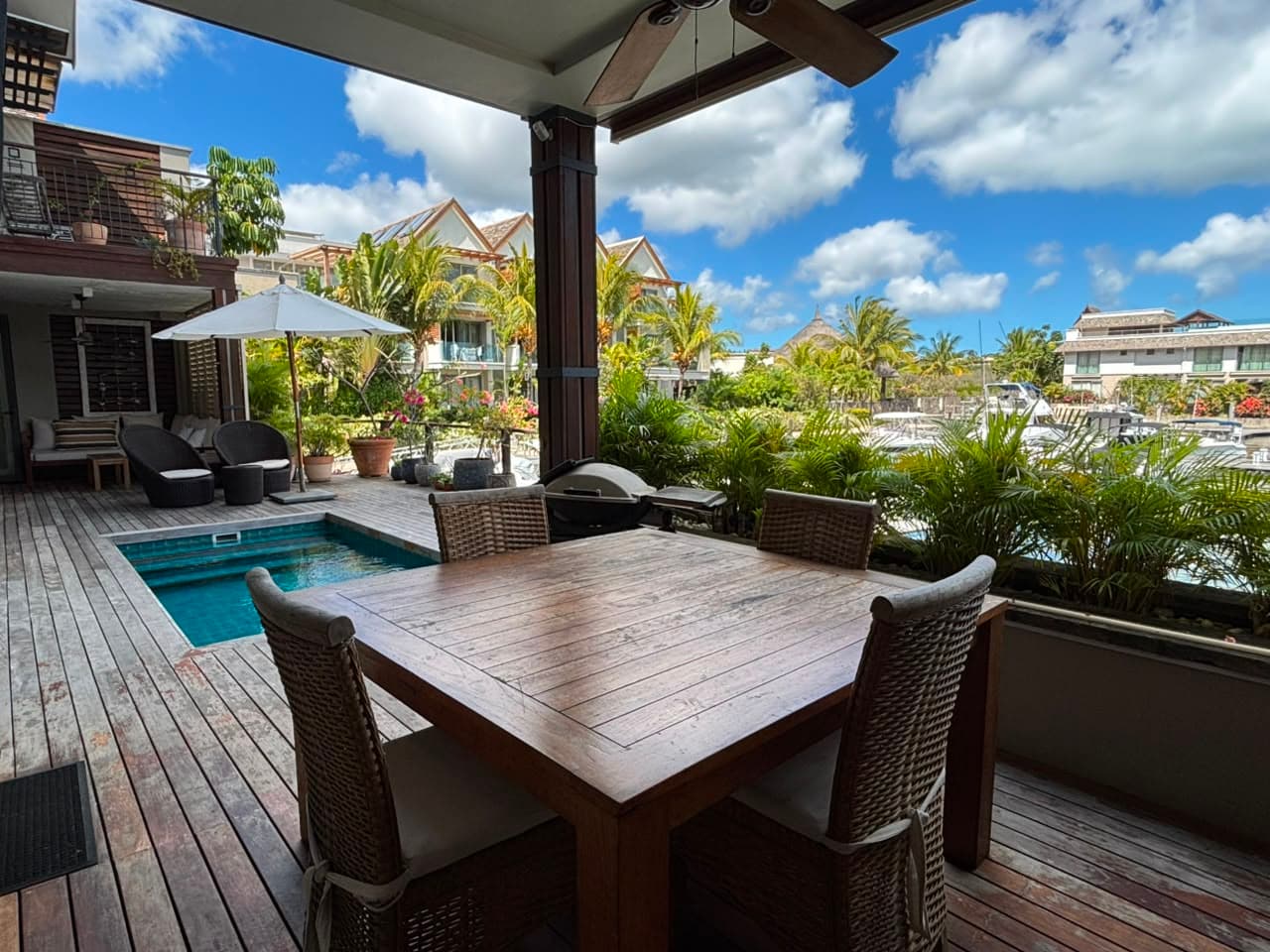
Riviere Noire · West

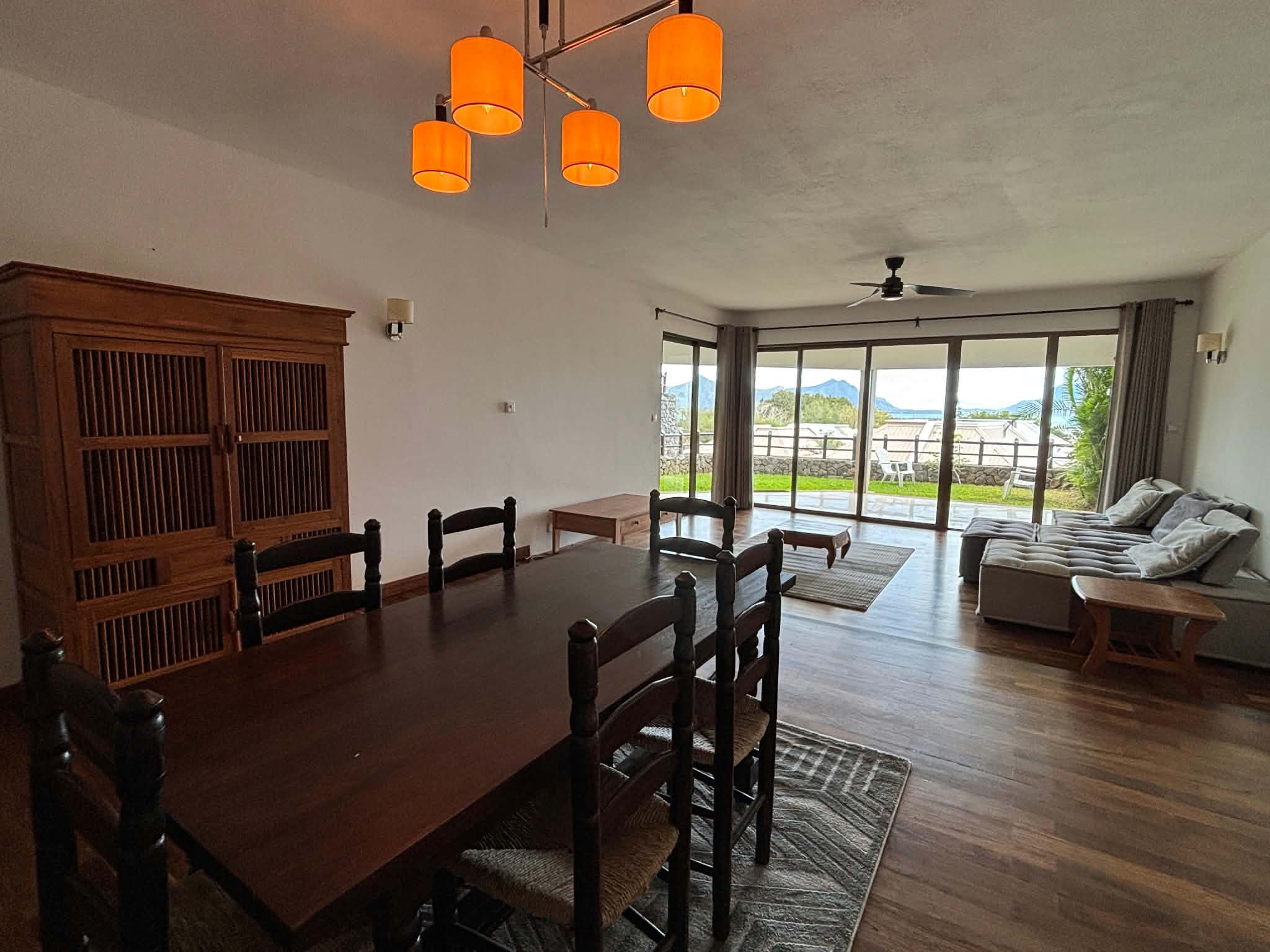
Tamarin · West

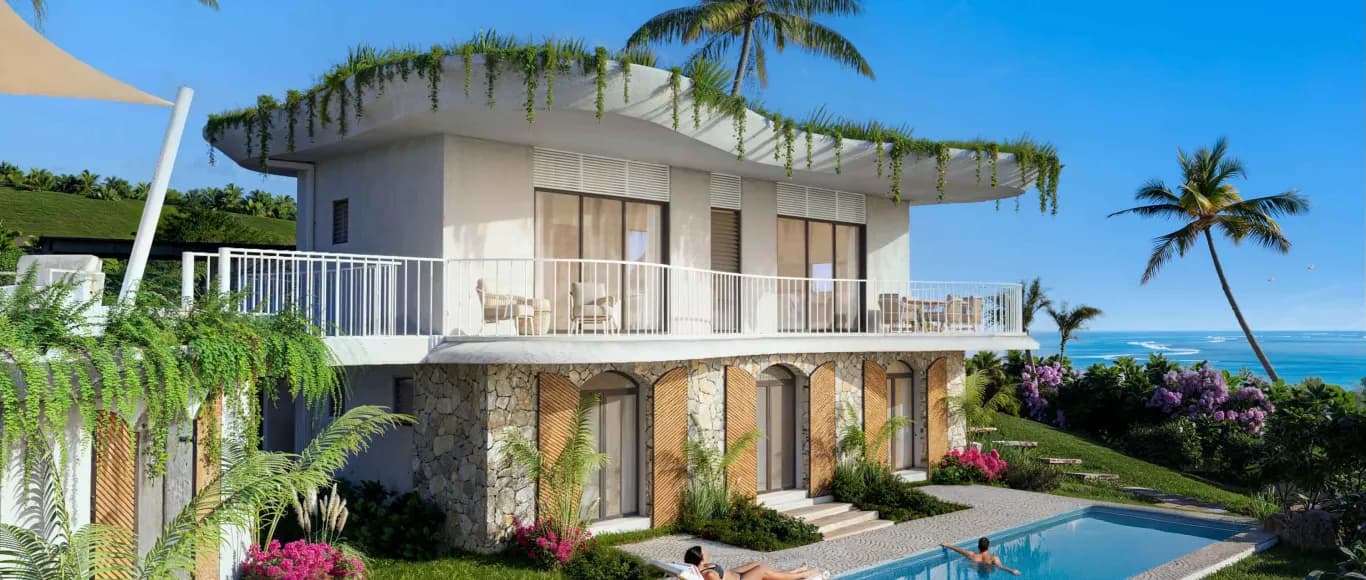
Baie du Cap · South
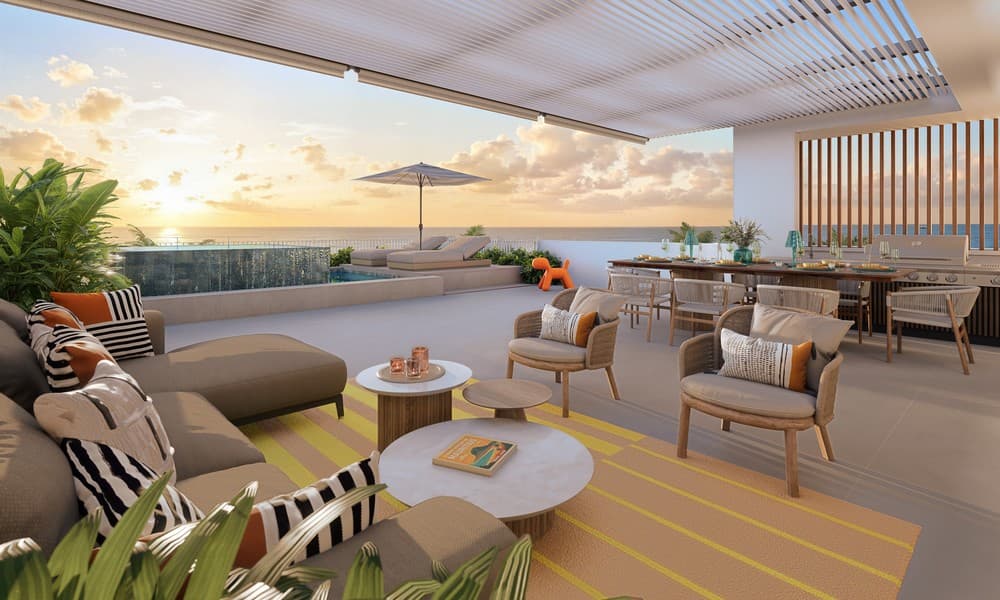
Tamarin · West
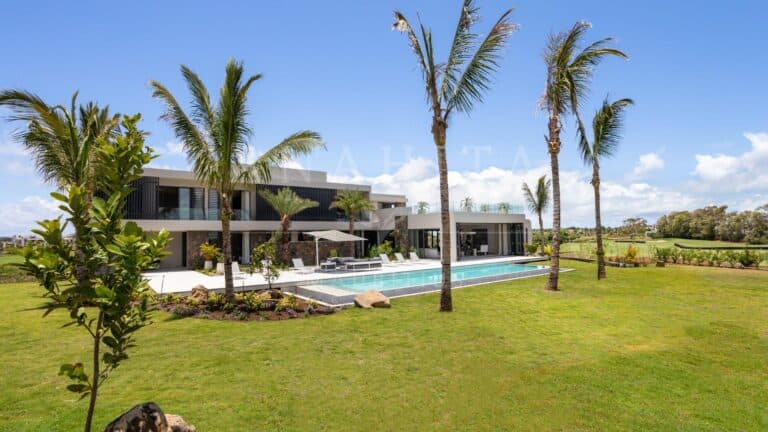
Beau Champ · East
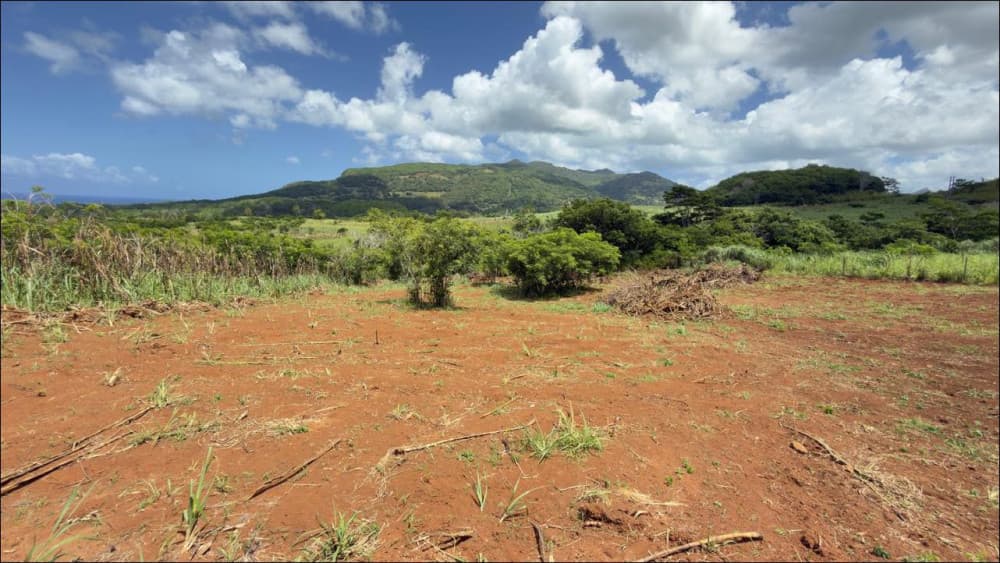
Baie du Cap · South
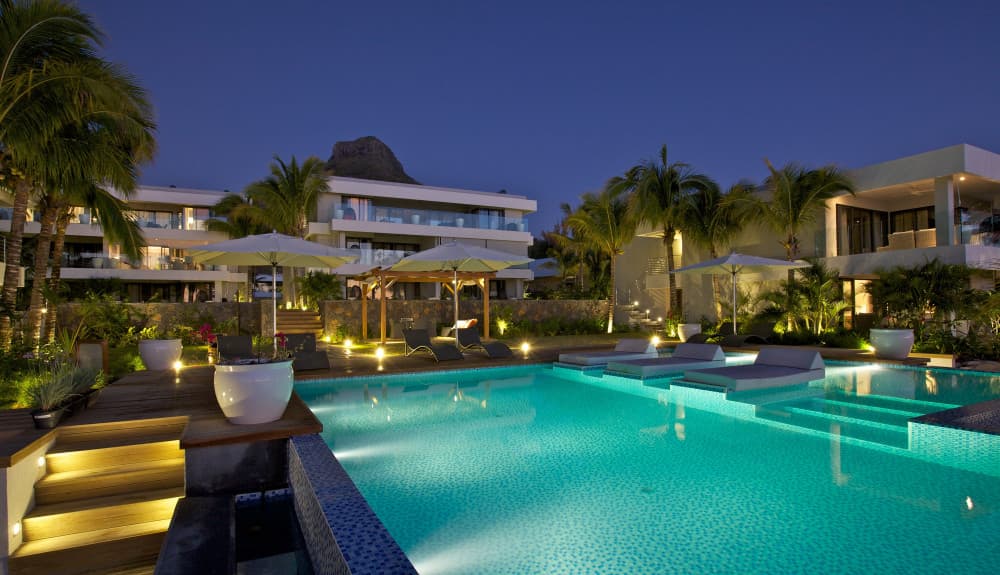
Riviere Noire · West
Explore by region
Explore the site
Market updates, buying guidance and the best new listings, straight to your inbox.
Mauritius Real Estate · 22 Oct 2026
Browse apartments for sale and rent in Pereybere, Mauritius. Neighbourhood guide, buying tips, foreign ownership rules, and price expectations for…
Mauritius Real Estate · 22 Oct 2026
Discover which areas in Mauritius have the most affordable apartments to rent or buy, from Port Louis to Flacq, with practical tips for every budget.
Mauritius Real Estate · 22 Oct 2026
Explore villa rental options in Mauritius by area, style, and budget. Understand the rental market, key locations, and what to expect before you sign.
Mauritius Real Estate · 21 Oct 2026
Discover Beaubassin, Mauritius: location, lifestyle, amenities, and property opportunities for buyers and renters in this quiet east-coast…
Mauritius Real Estate · 20 Oct 2026
Browse holiday apartments in Mauritius for rent or sale. Discover top areas, what to budget, and how the buying process works for foreign nationals.
Mauritius Real Estate · 20 Oct 2026
Understand Mauritius land size, local measurement units like arpents and toises, and what they mean for buying residential or farm land in Mauritius.
Browse our current listings or speak to an agent.