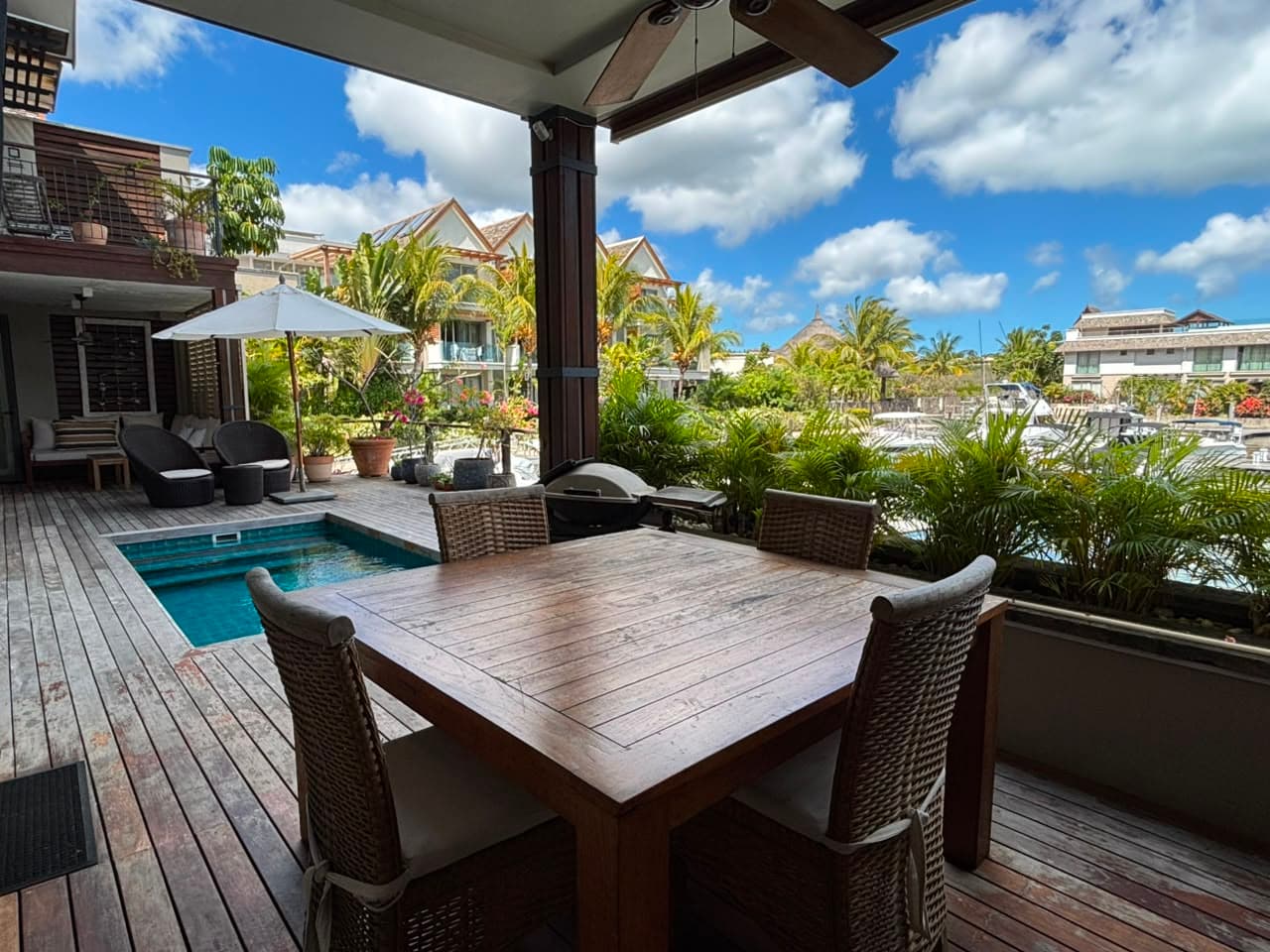
FOR RENTExpat
Rs450K/mo
Riviere Noire · West
Ultimate Marina Lifestyle – Luxury Waterfront Residence, Private Mooring & Boat
44


Everything foreign owners need to know about property management in Mauritius: services, costs, how to choose a manager, and what it means for your rental
Property management in Mauritius is a professional service where a licensed agent or management company handles the day-to-day operation of a residential or commercial property on behalf of the owner. For foreign investors who do not live on the island full-time, a local property manager is often the difference between a well-maintained, income-generating asset and a property that quietly deteriorates between visits.
A full-service property manager in Mauritius typically covers tenant sourcing and vetting, lease drafting, rent collection, maintenance coordination, utility management, periodic inspections, and financial reporting. Some firms also handle short-term holiday lets through platforms such as Airbnb and Booking.com, which is particularly relevant for villa owners in coastal areas.
Mauritius has a well-established framework for foreign property ownership through schemes such as the Property Development Scheme (PDS) and Smart City. Buyers who invest from USD 375,000 under an approved scheme qualify for a residence permit, but many of these buyers are not resident on the island year-round. That creates a practical gap: the property needs active oversight that an absent owner simply cannot provide.
Local property managers understand Mauritian tenancy law, know how to screen tenants in a relatively small rental market, and have established relationships with reliable tradespeople. They also handle the compliance side, including ensuring that rental income is declared correctly to the Mauritius Revenue Authority (MRA).
Rental income earned in Mauritius is subject to personal income tax on a progressive scale. From the income year beginning 1 July 2026, the rates are:
These rates apply to net rental income after allowable deductions. There is no capital gains tax and no inheritance or estate tax in Mauritius, which makes the overall tax position relatively straightforward for long-term investors. Always confirm current thresholds with the MRA before filing, as rates and bands can change with each Budget.
A good manager will advertise your property across the main property listings in Mauritius, conduct viewings, check references and employment status, and present you with qualified candidates before a lease is signed. In a market where expatriate tenants (diplomats, corporate professionals, and permit holders) are often the most reliable renters, knowing where to find them matters.
Mauritian tenancy agreements must comply with local law. A property manager drafts or reviews the lease, ensures the deposit terms are correct, and keeps records that protect both parties if a dispute arises. This is not a step to skip, particularly for owners who are unfamiliar with Mauritian civil law.
Managers collect rent, chase arrears, and provide monthly statements showing income, expenses, and net returns. For owners who hold property as an investment, clear financial reporting also simplifies the annual tax filing process.
Routine maintenance, emergency repairs, gardening, pool servicing, and pest control all fall under a full-service agreement. The manager coordinates the work, obtains quotes where required, and keeps you informed. This is especially valuable for villa owners in areas such as the Flacq District on the east coast, where properties often include large gardens, pools, and sea-facing terraces that require consistent upkeep.
For owners who want to let their property as a holiday villa rather than on a long-term lease, some managers offer a complete short-term service: listing management, guest communication, housekeeping between stays, linen supply, and key handover. Nightly rates for well-managed villas in prime locations can be significantly higher than long-term rental yields, though occupancy is less predictable.
Fees vary by firm and service level, but the following structures are common:
These figures are indicative. Always request a written fee schedule and compare at least two or three firms before signing a management agreement.
The Mauritius property market is not large, and reputation travels quickly. When evaluating a management firm, consider the following:
Licensing and professional standing. Real estate agents in Mauritius must be registered with the Estate Agents Authority (EAA). Confirm that any firm you appoint holds a valid licence.
Portfolio and specialisation. A firm that primarily manages retail property in Mauritius or commercial units may not be the right fit for a residential villa. Ask for examples of comparable properties they currently manage.
Local presence. An office or dedicated staff member in the area where your property is located matters. A manager based in Port Louis may not respond as quickly to a maintenance issue at a property in the Flacq District as one with a local team on the east coast.
Reporting systems. Ask how they report to owners: monthly statements, an owner portal, or email updates. The quality of financial reporting affects your ability to monitor returns and file tax returns accurately.
References. Ask for contact details of two or three current owner clients and speak to them directly.
Contract terms. Review the management agreement carefully. Note the notice period required to terminate, how maintenance spending is authorised, and what happens if the property is vacant.
Buyers who acquire property through a PDS or Smart City scheme often purchase in managed communities that already include on-site facilities management. However, the facilities management provided by the developer is separate from rental management. If you intend to let the property, you still need a rental manager unless the developer's own letting programme meets your needs.
The Flacq District on the east coast of Mauritius has seen consistent interest from foreign buyers, particularly around Belle Mare and Palmar. The area offers a mix of resale property in Mauritius, new PDS developments, and beachfront villas. Properties here attract both long-term expatriate tenants and short-term holiday guests, making professional management particularly valuable. The east coast's relative distance from the main commercial centres in the north and west means that a local manager with east-coast coverage is preferable to one based solely in Grand Baie or Port Louis.
Commercial and retail property in Mauritius, particularly in areas such as Ebene Cybercity and the main shopping corridors, is a distinct asset class. Retail property management involves lease negotiation, service charge management, and compliance with commercial tenancy arrangements that differ from residential law. Owners of retail units should appoint a manager with demonstrable commercial property experience.
The ability to search and shortlist property online has made it significantly easier for international buyers to research the Mauritius market from abroad. Reputable platforms carry verified property listings in Mauritius covering everything from studio apartments to large beachfront estates, and many allow buyers to filter by scheme type, price, and location.
However, buying property online in Mauritius still requires in-person due diligence before contracts are signed. A notary must oversee the Deed of Sale, and the transaction must be registered with the relevant authorities. Remote buyers often appoint a local notary and a property manager simultaneously: the notary handles the legal transfer, and the manager takes over operational responsibility from day one.
If you are searching for the best property deals in Mauritius remotely, use a combination of established listing platforms, direct developer contacts, and an independent notary to verify that what is advertised matches what is legally available. A property manager who also has a sales arm can sometimes flag off-market resale property in Mauritius before it appears on public listings.
Some buyers and investors in Mauritius use what the local market informally calls an express property service: a combined offering where a single firm handles the property search, transaction support, and ongoing management under one roof. This can reduce friction, particularly for buyers relocating quickly or investing from abroad without the time to coordinate multiple service providers.
The main consideration is independence. A firm that sells you a property and then manages it has an interest in both transactions. That is not automatically a problem, but you should confirm that the management fees are competitive with standalone managers, and that the management agreement can be terminated if the service does not meet expectations.
Property management in Mauritius is a well-developed professional service that plays a central role in protecting and monetising foreign-owned investment property. The right manager handles everything from tenant sourcing and lease compliance to maintenance and tax-ready financial reporting, allowing owners to hold Mauritian property confidently from abroad. Costs are transparent, the regulatory framework is clear, and the market has enough established firms to allow meaningful comparison before you commit.
Hand-picked
Riviere Noire · West

Tamarin · West


Baie du Cap · South

Tamarin · West

Baie du Cap · South

Beau Champ · East
Explore by region
Explore the site
Market updates, buying guidance and the best new listings, straight to your inbox.
Mauritius Real Estate · 19 Oct 2026
Explore real estate in Port Louis, Mauritius. Find houses for sale, apartments to rent, and expert guidance on buying property in the capital.
Mauritius Real Estate · 19 Oct 2026
Discover suburban property in Mauritius: top neighbourhoods, property types, buying rules for foreigners, and how to find the best listings outside…
Mauritius Real Estate · 19 Oct 2026
Understand Mauritius's ethnic groups, languages and cultural mix before you relocate. A clear, factual guide for expats and international buyers.
Mauritius Real Estate · 19 Oct 2026
Explore beachfront houses in Mauritius. Learn where to find them, what they cost, how foreign buyers can purchase legally, and what to expect when…
Mauritius Real Estate · 16 Oct 2026
Everything you need to know about house rental in Mauritius: costs, locations, lease rules, and how to find the right property. Updated guide for…
Mauritius Real Estate · 16 Oct 2026
Explore the west coast of Mauritius: top neighbourhoods, property market, beaches, lifestyle, and what foreign buyers need to know before purchasing.
Browse our current listings or speak to an agent.


