FOR RENTExpat
Rs450K/mo
Riviere Noire · West
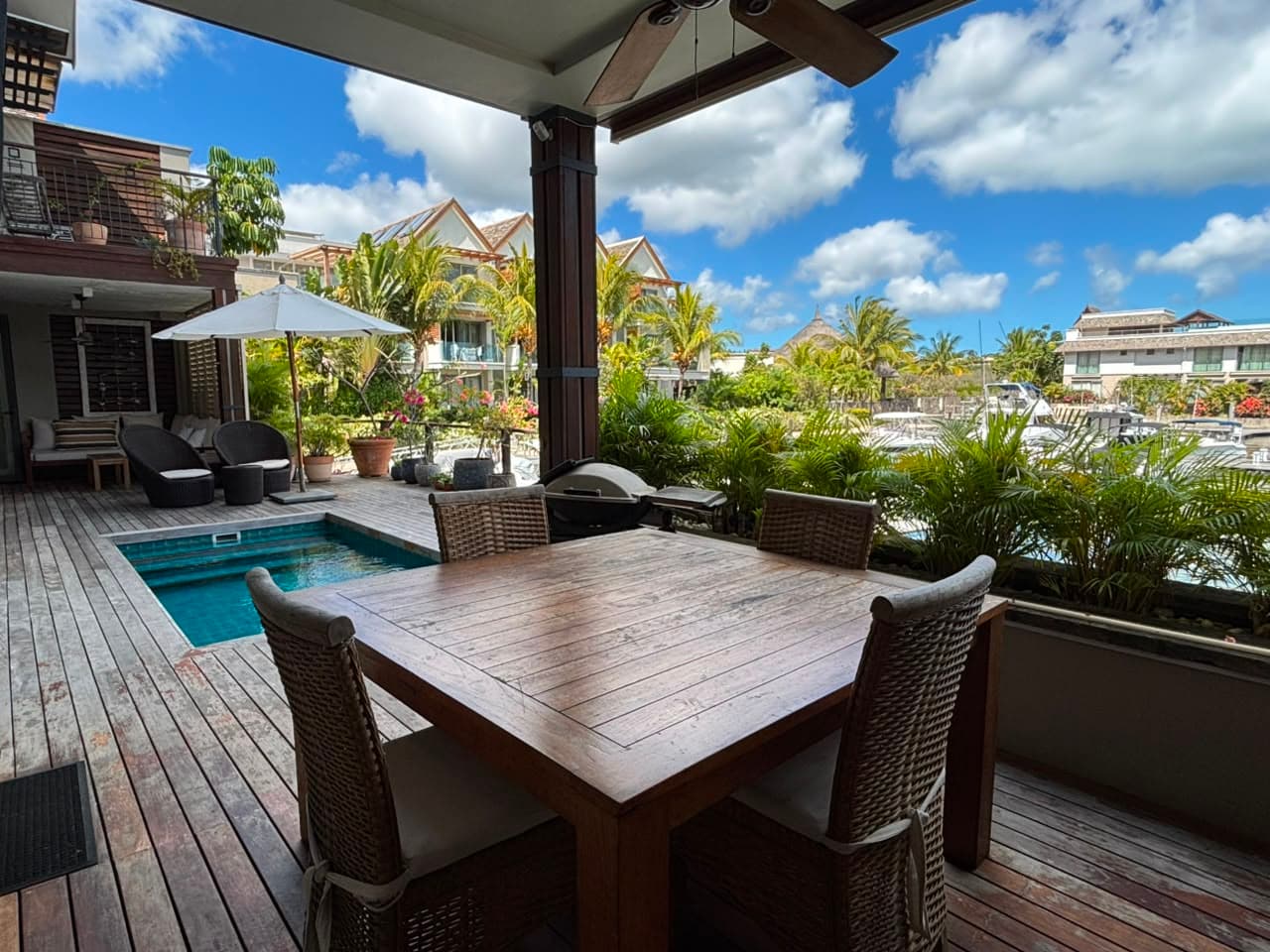
Ultimate Marina Lifestyle – Luxury Waterfront Residence, Private Mooring & Boat
44


A practical guide to buying property in Mauritius as a South African: legal routes, costs, residency options, and how to search online from abroad.
South Africans are among the most active foreign buyers in the Mauritian property market, drawn by political stability, a familiar legal system rooted in both civil and common law traditions, no capital gains tax, no inheritance tax, and a straightforward residency pathway tied to property investment. The process is well-structured and legally transparent, but it does require navigating specific foreign ownership rules that differ from what South Africans encounter at home.
This guide covers the legal framework, the residency link, where to focus your search, and how to buy property in Mauritius online from South Africa without needing to fly over for every step.
Yes, with one important qualification: foreign nationals, including South Africans, cannot purchase freehold property on the open market the way a Mauritian citizen can. Instead, foreign buyers must purchase through one of the government-approved schemes. The main routes are:
Purchasing outside these schemes as a non-citizen is not permitted. A notary (notaire) registered in Mauritius must handle the conveyancing, and the transaction requires approval from the Economic Development Board (EDB).
One of the strongest incentives for South African buyers is the automatic residency that comes with qualifying purchases. When you buy a property valued at USD 375,000 or more under an approved scheme such as a PDS or Smart City development, you and your dependants become eligible for a Residence Permit. This permit is tied to property ownership and remains valid as long as you hold the property.
This threshold is set by the EDB and is subject to change. Always verify the current figure directly with the EDB before signing any agreement.
If you want to work or run a business in Mauritius rather than simply owning property, the Occupation Permit system is relevant:
These permits are separate from the property residency route and managed by the EDB. South Africans who combine a property purchase with a business or professional move often hold both a Residence Permit (from property) and an Occupation Permit (from their work activity).
Mauritius has no capital gains tax and no inheritance or estate tax. For South Africans accustomed to paying CGT on disposal of assets, this is a material difference.
If you become tax resident in Mauritius, personal income tax is progressive:
These bands apply from the income year starting 1 July 2026. Do not rely on the old flat 15% rate, which is no longer applicable to personal income tax. VAT and corporate tax remain at 15%, but personal income is taxed on a progressive scale. Confirm your position with the Mauritius Revenue Authority (MRA) and a qualified tax adviser familiar with both South African and Mauritian tax law, particularly regarding South Africa's worldwide income tax rules for tax residents.
Mauritius and South Africa have a Double Taxation Agreement (DTA) in place, which is relevant if you retain South African tax residency while owning Mauritian property.
The south and west of the island, including the area around Le Morne peninsula, is consistently popular with South African buyers. Le Morne Anglers Club is a well-known landmark in this area, a private fishing and leisure club that has long been a reference point for the broader Le Morne community. Properties near Le Morne range from PDS villas with direct lagoon access to more modest apartments, and the area's combination of kitesurfing conditions, relative quiet, and established expatriate community appeals strongly to South African relocators.
Real estate in Port Louis and the northern corridor (Grand Baie, Pereybère, Cap Malheureux) attracts buyers who want proximity to business infrastructure. Port Louis is the commercial and administrative capital, and Smart City developments in and around the city offer apartments that qualify for foreign purchase. For professionals on Occupation Permits, being within commuting distance of Port Louis is often a practical priority.
A one bedroom flat in Mauritius within an approved scheme is typically the most accessible entry point for South African buyers who are not yet ready to commit to a villa purchase. Prices vary considerably by location and development quality, but this format allows buyers to establish Mauritian property ownership, understand the market from the inside, and potentially upgrade later. Note that a one-bedroom unit priced below USD 375,000 will not trigger the automatic Residence Permit, so buyers need to be clear on their objectives before choosing a price point.
House hunting in Mauritius from South Africa is increasingly practical. Most reputable developers and agencies list their PDS and Smart City inventory online with full pricing, floor plans, and virtual tours. The key steps you can complete remotely include:
The notary's fees and registration costs are typically borne by the buyer and are set by law. Stamp duty and registration fees apply. Get a full cost breakdown from your notary before signing anything.
Many South Africans rent first to test different areas before committing to a purchase. Affordable rent in Mauritius is available outside the main tourist corridors, particularly in towns like Quatre Bornes, Rose Hill, and Vacoas in the central plateau. Monthly rents for a comfortable two-bedroom apartment in these areas can be significantly lower than comparable accommodation in Grand Baie or Tamarin. Renting also gives you time to engage with local agents, attend property viewings in person, and develop a clearer sense of which area suits your lifestyle and commute.
For the best properties in Mauritius across approved schemes, working with an agent who specialises in foreign buyer transactions will save significant time and reduce the risk of being shown stock that does not qualify for foreign purchase.
Hand-picked
Riviere Noire · West

Tamarin · West


Baie du Cap · South

Tamarin · West

Baie du Cap · South

Beau Champ · East
Explore by region
Explore the site
Market updates, buying guidance and the best new listings, straight to your inbox.
Mauritius Real Estate · 16 Oct 2026
Everything you need to know about house rental in Mauritius: costs, locations, lease rules, and how to find the right property. Updated guide for…
Mauritius Real Estate · 16 Oct 2026
Explore the west coast of Mauritius: top neighbourhoods, property market, beaches, lifestyle, and what foreign buyers need to know before purchasing.
Mauritius Real Estate · 15 Oct 2026
Seen our properties on PropertyCloud? How the listings match, what you get searching with us directly, and the essentials of buying in Mauritius.
Mauritius Real Estate · 13 Oct 2026
Where to find a business park in Mauritius, what leasing or buying costs, and how foreign companies set up. Covers Ebène, Grand Baie, Pailles and…
Mauritius Real Estate · 12 Oct 2026
A practical guide to business insurance in Mauritius for property owners, landlords, and investors. Covers key cover types, costs, and what to check…
Mauritius Real Estate · 10 Oct 2026
Everything you need to know about getting a skipper license in Mauritius, from exam requirements to costs, plus how it connects to waterfront living.
Browse our current listings or speak to an agent.


