FOR RENTExpat
Rs450K/mo
Riviere Noire · West
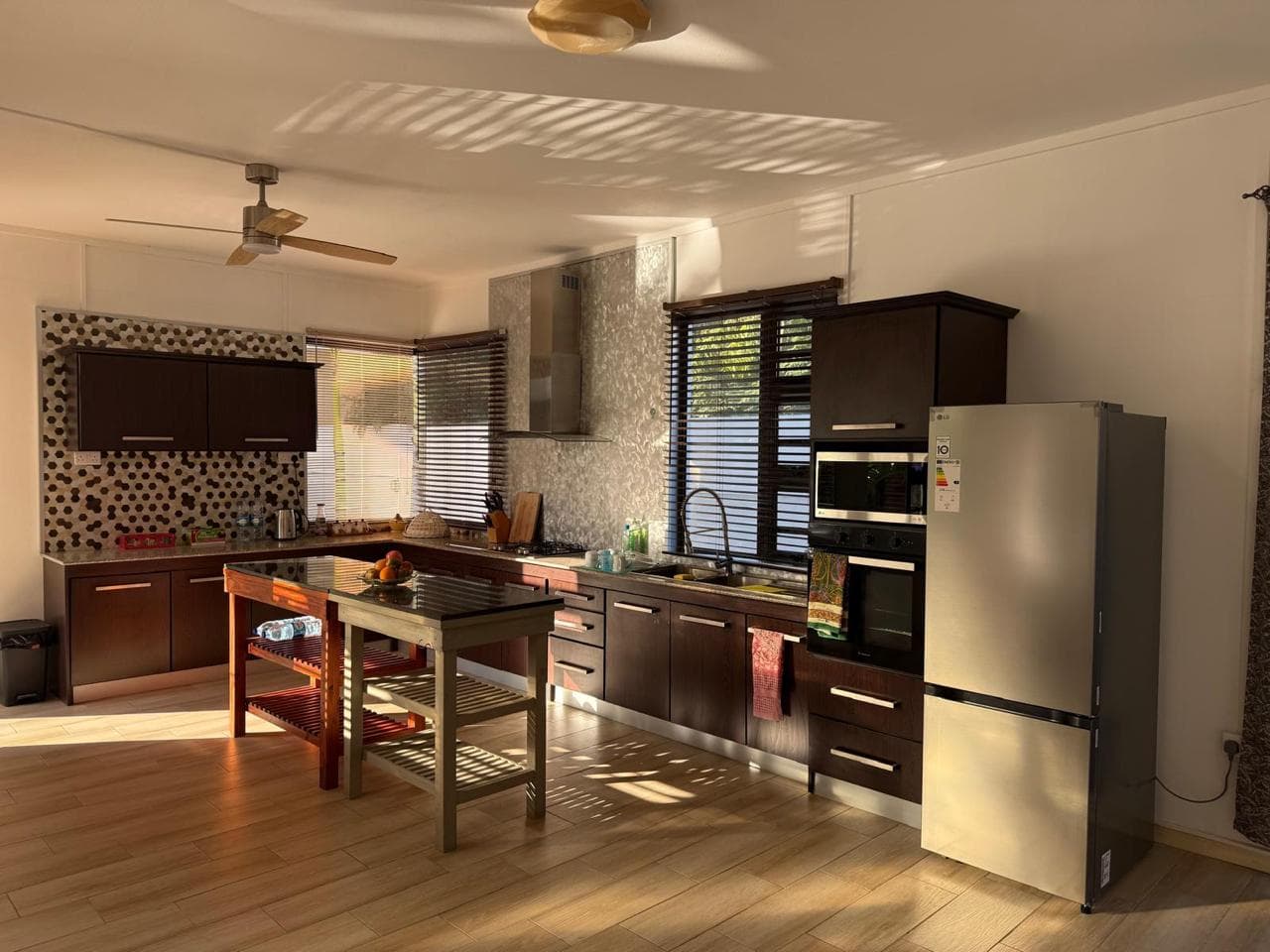
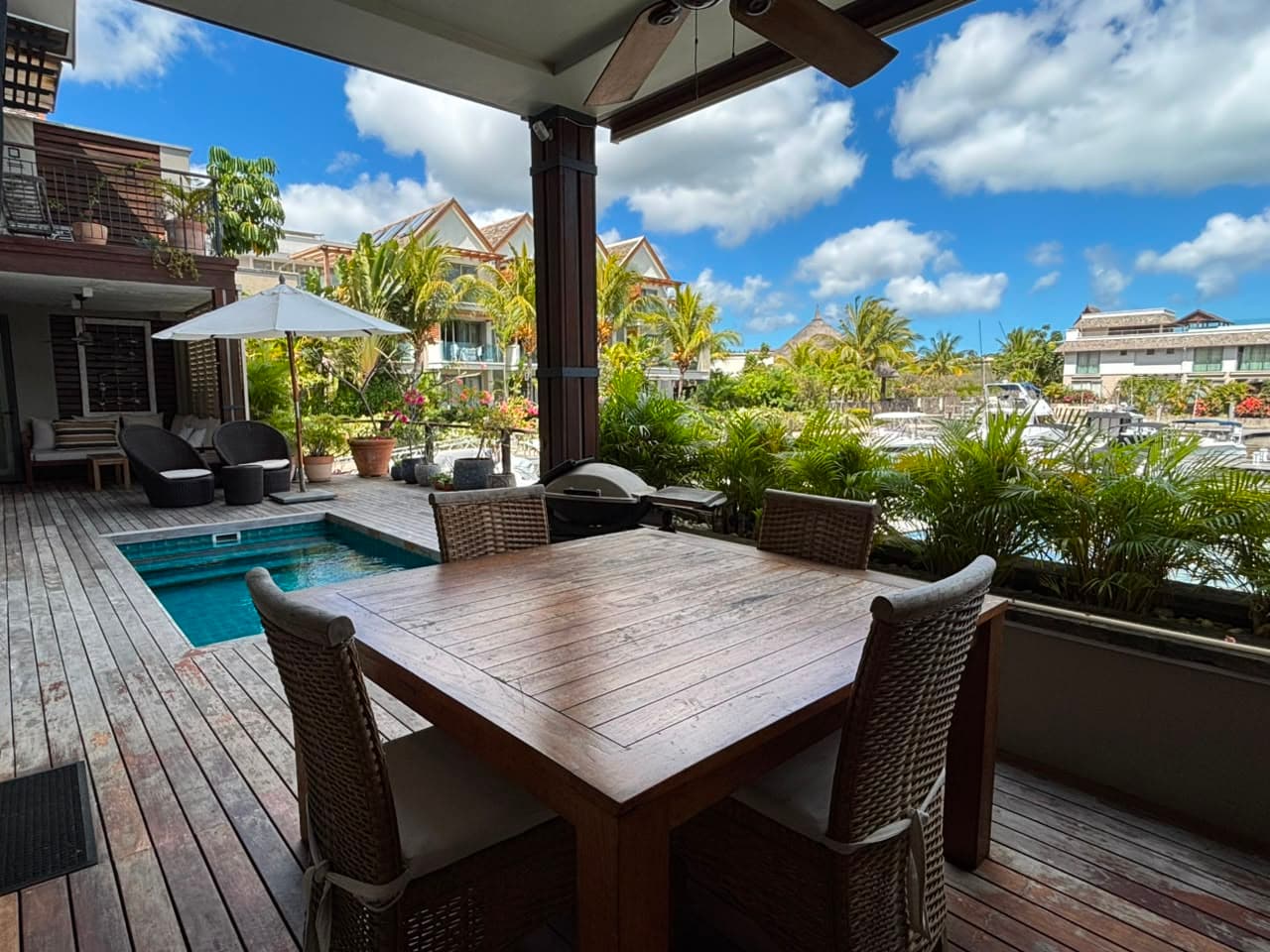
Ultimate Marina Lifestyle – Luxury Waterfront Residence, Private Mooring & Boat
44

A practical guide to the cost in Mauritius covering housing, food, transport, utilities and taxes to help expats and buyers plan their move.
The cost in Mauritius for a comfortable expatriate lifestyle sits broadly between MUR 80,000 and MUR 180,000 per month (roughly USD 1,700 to USD 3,900 at mid-2025 rates), depending on where you live, whether you rent or own, and how closely your habits align with local rather than imported goods. That range covers a couple in a two-bedroom apartment or villa, eating a mix of home-cooked and restaurant meals, running one car, and paying standard utility bills. This guide breaks each category down so you can build an honest budget before you commit to a move or a property purchase.
Housing is almost always the largest single line in an expat budget, and the range is wide.
Rental prices vary sharply by location and property type:
Landlords typically ask for two to three months deposit, and leases are usually in Mauritian rupees. Most expat-grade rentals are furnished.
Foreign nationals can buy freehold property in Mauritius only through approved government schemes, primarily the Property Development Scheme (PDS) and Smart City developments. The minimum qualifying purchase price is USD 375,000, and completing a purchase under these schemes grants the buyer (and qualifying dependants) the right to reside in Mauritius.
Property transfer costs are relevant to your overall budget. Under the Finance Act 2026, which came into force on 13 August 2026, non-citizens buying through PDS, Smart City, RES or G+2 schemes pay the standard 5% registration duty (borne by the buyer) and the seller pays 5% land transfer tax. An earlier increase to 10% that had been introduced by the Finance Act 2025 was repealed, so the rate is back to 5% for buyers. Always confirm current duties with the Mauritius Revenue Authority (MRA) before exchanging contracts.
For context on the full purchase process, see the dedicated guide to buying property in Mauritius as a foreign national.
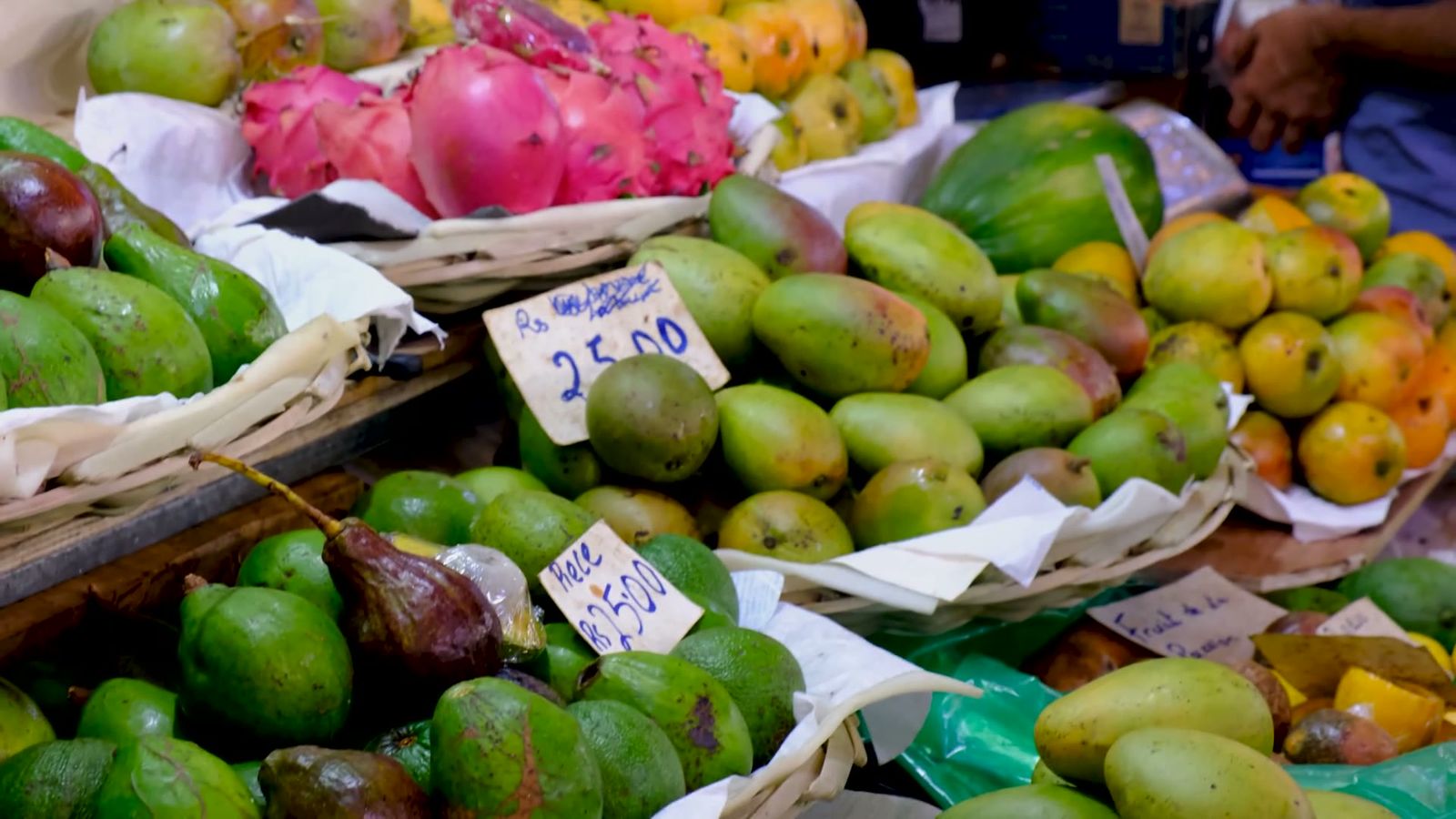
Mauritius produces a reasonable amount of its own food, particularly vegetables, fish, poultry and tropical fruit, so local market shopping is genuinely affordable. Imported goods (European cheeses, wine, breakfast cereals, olive oil) carry significant import duties and can cost two to three times what you would pay in Europe.
Supermarket chains such as Winner's, Intermart, and Jumbo carry a broad range. Specialty delis and the larger hypermarkets stock imported items at a premium.
A couple eating out three or four times a week at mid-range venues should budget MUR 15,000 to MUR 25,000 per month for dining out, less if they favour local spots.
Most expats find a car essential outside of Port Louis. Mauritius drives on the left. New cars attract import duties that make them significantly more expensive than in Europe or South Africa, so a new mid-range Japanese or Korean model can cost MUR 700,000 to MUR 1,200,000. Second-hand Japanese imports (typically five-year-old vehicles) are widely available and more affordable, from around MUR 250,000 to MUR 500,000 for a reliable family car.
Ongoing costs:
Taxis are metered in theory but negotiated in practice for longer journeys. A trip from Grand Baie to Port Louis (roughly 25 km) costs MUR 600 to MUR 900. The app-based service Yelo operates in Mauritius and offers more transparent pricing.
Buses cover most of the island and are very affordable (typically MUR 20 to MUR 50 per journey), but schedules and comfort levels mean most expats use them infrequently. The Metro Express light rail connects Port Louis to Curepipe via Rose Hill and Quatre Bornes, which is useful for the central corridor.
Electricity is supplied by the Central Electricity Board (CEB). Bills for a two-bedroom apartment with air conditioning used moderately typically run MUR 3,000 to MUR 6,000 per month. A larger villa with heavy air conditioning use can reach MUR 8,000 to MUR 15,000. Electricity is not cheap relative to local incomes, and the island's grid still relies heavily on fossil fuels, though solar installations are increasingly common.
Water is supplied by the Central Water Authority (CWA). Bills for a household are modest, generally MUR 500 to MUR 1,500 per month. Water pressure and supply can be intermittent in some areas, and many properties have storage tanks.
Mauritius has both a public healthcare system (free at the point of use for residents) and a private sector. Most expats use private clinics and hospitals for routine and specialist care.
Private hospitals such as Wellkin, Fortis Darné and C-Care provide a good standard of care for most conditions. Complex tertiary care sometimes requires travel to South Africa, France or India.
For families with children, international school fees are a significant budget line:
State schooling is free but conducted primarily in English and French, with the Cambridge curriculum at secondary level. Some expat families use state schools successfully, particularly at primary level.
Understanding the tax position is essential for budgeting accurately.
Personal income tax in Mauritius is progressive, not a flat rate. From the income year beginning 1 July 2026, the bands are:
Note: VAT is 15% and corporate tax is also 15%, but personal income tax is a separate, progressive system. Anyone quoting a flat 15% personal income tax rate is citing an outdated figure.
Mauritius levies no capital gains tax and no inheritance or estate tax. For investors and property buyers, this is a meaningful advantage: gains realised on the eventual sale of a property are not subject to a separate tax on the appreciation in value.
Expats working in Mauritius under an Occupation Permit as a Professional must earn a minimum of MUR 50,000 per month (harmonised across all sectors). Investor Permit applicants must demonstrate an initial investment of at least USD 100,000. Both permits are valid for 10 years and are renewable. Tax on employment income follows the progressive personal income tax bands above.
For full details on permit categories and thresholds, the Economic Development Board (EDB) is the authoritative source.
These are illustrative figures to help frame planning, not guarantees. Actual costs depend on lifestyle, location and individual circumstances.
| Category | Estimated monthly cost (MUR) |
|---|---|
| Rent (furnished 2-bed apartment) | 45,000 |
| Groceries (mixed local and imported) | 18,000 |
| Dining out (3 to 4 times per week) | 18,000 |
| Car running costs (fuel, insurance pro-rated) | 8,000 |
| Utilities (electricity, water, internet) | 7,000 |
| Private health insurance (pro-rated) | 12,000 |
| Leisure, gym, activities | 8,000 |
| Estimated total | 116,000 |
| Category | Estimated monthly cost (MUR) |
|---|---|
| Rent (3-bed villa, pool) | 90,000 |
| Groceries | 28,000 |
| Dining out | 20,000 |
| Two cars, running costs | 16,000 |
| Utilities (larger home, more AC) | 12,000 |
| Private health insurance (family, pro-rated) | 22,000 |
| School fees (one child, pro-rated) | 35,000 |
| Leisure and activities | 12,000 |
| Estimated total | 235,000 |
For most Western European and South African expats, Mauritius is noticeably less expensive for housing (outside of PDS-scheme purchases), domestic help, and eating local food. It is more expensive than Europe for imported goods, new cars, and some categories of private healthcare. The absence of capital gains tax and the progressive income tax structure with a zero band on the first MUR 500,000 make the overall tax burden comparatively light for higher earners.
For buyers considering a property purchase, the entry point of USD 375,000 under PDS or Smart City schemes, combined with the residency right that comes with it, means the property decision and the cost-of-living calculation are closely linked. Understanding both before committing is the most practical approach.
For further detail on the property purchase process, permitted ownership structures, and what residency through property means in practice, see the related guides on this site.
Hand-picked
Riviere Noire · West

Tamarin · West


Baie du Cap · South

Baie du Cap · South

Riviere Noire · West

Tamarin · West
Beau Champ · East
Explore by region
Explore the site
Market updates, buying guidance and the best new listings, straight to your inbox.
Mauritius Real Estate · 29 Oct 2026
Discover what it's like to live in Phoenix, Mauritius. Location, amenities, lifestyle, and property options including apartments and houses for sale.
Mauritius Real Estate · 29 Oct 2026
Explore mansions for sale in Mauritius: locations, price ranges, legal frameworks for foreign buyers, and what to expect from the top end of the…
Mauritius Real Estate · 28 Oct 2026
Looking for lexpress mauritius property listings? Explore verified property for sale in Mauritius, area guides, market news and the best deals…
Mauritius Real Estate · 28 Oct 2026
Use a lease calculator in Mauritius to estimate monthly rent, total lease cost, stamp duty, and VAT. Plain-English guide for tenants and landlords.
Mauritius Real Estate · 28 Oct 2026
Find the best Mauritius newspaper sources for today's news. A complete guide to print and online outlets for expats, investors and relocating…
Mauritius Real Estate · 28 Oct 2026
Discover when Mauritius's dry season runs, what weather to expect month by month, and why it matters for property viewings and relocation planning.
Browse our current listings or speak to an agent.