FOR RENTExpat
Rs65K/mo
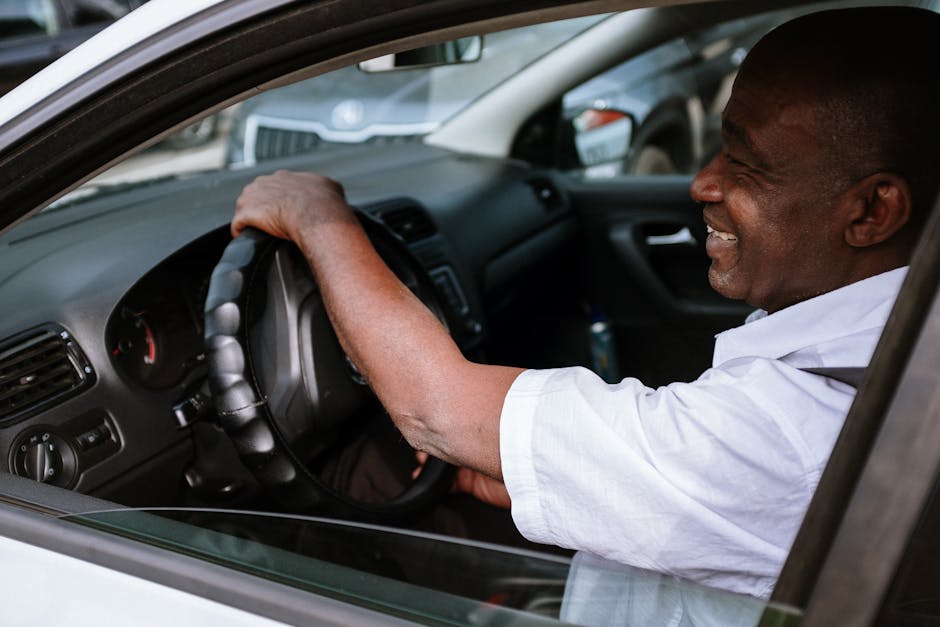
Taxis, buses, Metro Express, renting or buying a car — everything you need to know about getting around Mauritius as a foreign resident or buyer.
Mauritius has a well-developed road network and a public transport system that covers most of the island. For newly arrived foreign residents and property buyers settling in for the long term, understanding how taxis, buses, the Metro Express tram, and car ownership actually work will save you time and money from day one. This guide covers each option clearly, including what driving licences are valid, how to buy or rent a vehicle, and what the mandatory roadworthiness rules require.
Mauritian taxis do not use meters. Before you get in, agree a fare with the driver. This is standard practice across the island and not a sign of anything irregular — it is simply how the system operates.
As a rough reference point, a one-way trip from Grand Baie to Port Louis typically costs around Rs 1,200, with a return journey closer to Rs 2,000. Airport trips tend to run between Rs 2,000 and Rs 2,500. If you want to hire a taxi for a full day, expect to pay between Rs 4,000 and Rs 5,000 depending on your starting location and how the negotiation goes.
Several taxi-hailing apps now operate in Mauritius, including DodoTaxi, Yugo, MoApp, Nuale, and Ala-lila. These give you a degree of price transparency that street hailing does not.
For occasions when you would rather not drive yourself — after an evening out, for example, or during a period of fatigue — private chauffeur services such as Coco le Bob and My Chauffeur by FLO offer a driver for your own vehicle. This is a practical and increasingly popular option among expats.
Bus travel in Mauritius is genuinely affordable and covers a wide geographic spread. The network is extensive, and routes connect most towns and villages across the island. The trade-off is comfort: many of the buses in service are older and do not have air conditioning. For short or medium distances on a budget, though, the bus remains a sensible choice.
The Metro Express is a modern electric tram network that connects Port Louis to Curepipe, passing through Ebene, Rose Hill, and Quatre Bornes. It runs seven days a week from 6 am to 7 pm, with trams departing every 10 to 12 minutes. On Fridays and Saturdays, the Port Louis to Curepipe service runs until 8 pm. The system is air-conditioned and continues to expand. Tickets are purchased at station kiosks.
For anyone working in Ebene — the island's main business district — or commuting regularly between the capital and the central plateau, the Metro Express is the most consistent option available.
Most foreign residents eventually find that having personal transport makes daily life considerably more practical. The question is whether to rent or buy, and the answer depends on how long you plan to stay and how settled you want to be.
If you are in Mauritius for a short period, or want time to find your footing before committing to a purchase, renting is worth considering. Most rental companies on the island offer medium and long-term agreements, which are more cost-effective than short-term tourist rates. For a small car on a long-term rental, budget at least Rs 15,000 per month.
Long-term rental has three practical advantages. First, you avoid maintenance costs, road tax, and the compulsory annual roadworthiness test (known locally as the Fitness). Second, most rental agreements include a replacement vehicle if yours develops a fault — though it is worth confirming this in writing before signing. Third, you sidestep the administrative process of registering a vehicle in your name.
Rental companies generally offer delivery to your home address or collection at the airport on arrival.
All the major international brands are represented in Mauritius through authorised dealerships. Buying new gives you a manufacturer warranty, after-sales support, and a dealer who handles the registration paperwork with the National Land Transport Authority (NLTA) on your behalf.
If you are buying used, working through a professional intermediary is strongly advisable. Some companies specialise in inspected second-hand vehicles and manage the transaction paperwork between buyer and seller. Buying privately — through platforms such as Facebook Marketplace, bestdeals.mu, lexpresscars.mu, or mycar.mu — is possible but carries more risk. If you go that route, have the vehicle independently inspected by a trusted mechanic before you agree anything.
When buying from a private individual, you will need to handle the NLTA registration yourself or appoint a specialist company to do it for you. The seller must provide the registration book, the current Fitness certificate, and two original copies of the deed of sale.
Importing a vehicle from abroad is not generally recommended. The customs clearance process is lengthy and your car could be held at port for several months. If your vehicle has a left-hand steering wheel, you will also need to have the wheel and gearbox repositioned to comply with Mauritian road rules. The cost and delay rarely justify the effort.
Every vehicle registered in Mauritius must undergo a periodic roadworthiness inspection at a certified centre. The frequency depends on the vehicle's age:
Approved testing centres include Autocheck in Plaine Lauzin, SGS in Forest Side, and Eastern VES in Laventure. The NLTA can be contacted through nlta.govmu.org or on +230 202 2800.
Mauritius follows British-era driving conventions: traffic moves on the left and priority is given to vehicles approaching from the right.
Speed limits are 40 or 60 km/h in urban areas, up to 80 km/h on main roads, and 110 km/h on the motorway that runs across the island. Fixed speed cameras (identifiable by their yellow housings) are in operation, and roadside police checks occur regularly.
If you are in Mauritius on a tourist visa, your foreign licence is valid for up to four weeks. After that, you must either present an international driving permit or apply for an extension at a local police station.
If you are a resident, you may continue driving on your foreign licence or convert it to a Mauritian one. Conversion applications go to the Traffic Branch at the Port Louis Police Headquarters (Les Casernes). You will need to bring a copy and the original of your foreign licence, your passport, your Residence or Occupation Permit, your marriage certificate (if applicable), and a medical certificate.
Foreign residents aged 18 and over can apply for a Mauritian driving licence, for either an automatic or manual vehicle. Registration is done online or at one of three examination centres: Port Louis, Curepipe, or Flacq.
The process works as follows. You first sit a theoretical road-code test to obtain your Learner permit. After completing driving lessons with a registered instructor (not compulsory but strongly recommended), you take a practical test consisting of a short driving circuit and two parking manoeuvres.
Approximate costs to budget for:
Once issued, a Mauritian driving licence can be converted into an international driving permit.
Police station contacts for licence applications:
For foreign buyers and relocating professionals, transport is one of the practical details that shapes how comfortable daily life in Mauritius actually feels. PropertyFinder Mauritius covers the full picture of settling in — from choosing the right neighbourhood to understanding what your property purchase includes in terms of access, infrastructure, and lifestyle.
Hand-picked
Riviere Noire · West

Tamarin · West


Baie du Cap · South

Tamarin · West

Beau Champ · East

Baie du Cap · South
Explore by region
Explore the site
Market updates, buying guidance and the best new listings, straight to your inbox.
Mauritius Real Estate · 20 Oct 2026
Browse holiday apartments in Mauritius for rent or sale. Discover top areas, what to budget, and how the buying process works for foreign nationals.
Mauritius Real Estate · 20 Oct 2026
Understand Mauritius land size, local measurement units like arpents and toises, and what they mean for buying residential or farm land in Mauritius.
Mauritius Real Estate · 20 Oct 2026
What is the Smart City Scheme in Mauritius, which projects exist, and how do foreign buyers qualify for residency? Clear answers and costs in one…
Mauritius Real Estate · 20 Oct 2026
Step-by-step guide to the legal process of buying property in Mauritius: eligibility, preliminary agreement, notary deed, duties and title…
Mauritius Real Estate · 20 Oct 2026
Explore property in Flacq District, Mauritius: area guide, neighbourhoods, price ranges, apartments for rent, houses for sale, and buying tips for…
Mauritius Real Estate · 19 Oct 2026
Explore real estate in Port Louis, Mauritius. Find houses for sale, apartments to rent, and expert guidance on buying property in the capital.
Browse our current listings or speak to an agent.