
FOR RENTExpat
Rs450K/mo
Riviere Noire · West
Ultimate Marina Lifestyle – Luxury Waterfront Residence, Private Mooring & Boat
44

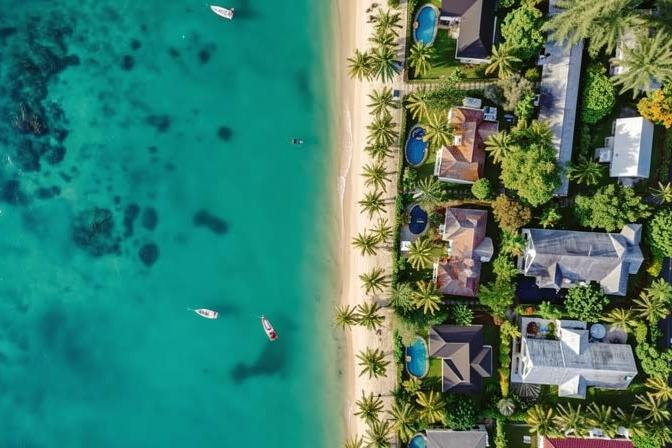
Discover why co-living spaces represent a compelling alternative asset class for HNW investors in Mauritius. Learn market trends, investment returns, and lifestyle benefits in this comprehensive guide.
Mauritius is experiencing a transformation in how people live and work. The traditional single-family home ownership model is no longer the only viable investment pathway for discerning property investors. Co-living spaces represent an emerging alternative asset class that combines residential living with community-driven amenities, professional management, and attractive financial returns.
The global co-living market has grown exponentially over the past decade, and Mauritius—as a premier international destination—is catching up. With an influx of remote workers, digital nomads, and expatriates relocating to the island, demand for flexible, community-oriented living arrangements has surged. This creates a lucrative opportunity for investors seeking diversification beyond traditional rental properties.
Unlike conventional apartment ownership, co-living developments offer residents furnished spaces, shared facilities (fitness centres, co-working areas, dining spaces), and curated community experiences. For investors, this translates to higher per-unit occupancy rates, premium rental yields, and reduced vacancy periods—key metrics that distinguish this asset class from standard residential real estate.
For high-net-worth individuals and institutional investors, alternative assets are essential for portfolio diversification. Co-living spaces in Mauritius property markets fit this criterion perfectly.
Traditional rental apartments in Mauritius typically yield 4–6% annually. Co-living units, by contrast, command 7–10% net yields when professionally managed. The difference stems from several factors:
Institutional investors classify co-living as an alternative asset because it operates at the intersection of residential real estate, hospitality, and lifestyle services. This hybrid nature creates multiple revenue streams and reduces dependency on single-tenant performance. Furthermore, co-living developments in Mauritius benefit from:
The Mauritius real estate sector has attracted $2.3 billion in foreign investment over the past five years. Co-living represents a rapidly expanding segment within this growth trajectory.
Demand drivers: Remote work normalisation has accelerated demand for flexible accommodation in Mauritius. Digital professionals, freelancers, and international entrepreneurs now seek vibrant communities with high-speed internet, professional workspaces, and networking opportunities. Mauritius—with its zero-Covid vaccination requirements relaxed and residency visas simplified—has become exceptionally attractive.
Supply constraints: While demand surges, premium co-living supply remains limited to key locations: Black River, Grand Baie, and Port Louis. This supply–demand imbalance supports sustained rental growth and property appreciation.
Price appreciation: Co-living units in prime locations have appreciated 12–18% annually over the past three years. Investment properties in established developments now command resale premiums of 20–35% above initial purchase prices.
Black River emerges as the premier co-living investment destination due to its proximity to luxury amenities, investment-grade infrastructure, and an affluent expat demographic. Coastal locations with water access command 30% premiums over inland properties. Our expertise at Propertyfinder positions us to identify the most promising micro-locations for optimal ROI.
Successful co-living investment in Mauritius requires strategic planning and professional guidance.
Direct unit purchase: Acquire individual units within professionally managed co-living complexes. Minimum investment typically ranges from $150,000–$350,000 USD per unit, with operators managing operations and guaranteeing minimum returns.
Development partnerships: Partner with established developers to secure units in off-plan projects. Early investors often secure 10–15% discounts and locked-in rental guarantees for 3–5 years.
Fund-based investments: Some Mauritius-based real estate funds now offer co-living-focused investment vehicles with professional asset management and portfolio diversification.
Like all real estate investments, co-living carries risks. Diversification across multiple units, locations, and operators mitigates concentration risk. Engage legal counsel familiar with Mauritian property law, conduct due diligence on operator track records, and structure agreements with clear performance benchmarks and exit clauses.
Beyond financial returns, co-living investments in Mauritius offer an intangible lifestyle dimension increasingly valued by HNW individuals.
Owning a unit in a premium co-living development grants you access to a curated ecosystem: networking events, wellness programmes, travel experiences, and cultural activities. Many investors utilise their units seasonally, rotating occupancy with rental income during absence. This flexibility—earning passive income while maintaining occasional personal use—appeals to internationally mobile professionals.
Co-living communities attract accomplished individuals from diverse industries: entrepreneurs, executives, creatives, and digital professionals. For investors seeking to expand business networks and lifestyle enrichment alongside financial returns, co-living represents an holistic investment thesis.
Individual units typically range from $150,000–$400,000 USD, depending on location, size, and amenities. Black River premium units occupy the higher band. Some developers offer flexible payment plans (50% deposit, remainder over 24–36 months) and rental guarantees during the construction phase, reducing capital requirements and providing immediate cash flow.
Yes. Mauritius welcomes foreign property investment with minimal restrictions. Non-citizens can purchase residential units without caps or licensing requirements, provided purchases exceed $375,000 USD (or equivalent for luxury properties). Lease terms for foreign investors are typically 60 years, with renewal provisions. Our team handles all regulatory compliance and documentation.
Co-living units offer multiple exit paths: rental income continuation indefinitely, resale to secondary market buyers (typically within 3–6 months in Mauritius), trade-up to larger units within the same development, or portfolio liquidation to repatriate capital. Established co-living operators often facilitate buyer-seller matching, accelerating transaction timelines. Professional valuations support competitive resale pricing.
Co-living spaces represent a sophisticated alternative asset class within Mauritius property investment, combining superior financial returns (7–10% yields), capital appreciation (10%+ annually), and aspirational lifestyle benefits. For HNW individuals and international investors seeking diversification beyond traditional real estate, co-living developments in premium Mauritian locations offer compelling opportunity.
Propertyfinder Limited specialises in guiding luxury property investors through every phase of co-living acquisition in Mauritius. Contact our team today to explore investment opportunities aligned with your wealth-building objectives.
Ready to invest in Mauritius co-living property? Speak with Karen at Propertyfinder Limited. Email: karen@propertyfinder.mu | Phone: +230 460 4170 | Your co-living investment journey begins here.
Hand-picked
Riviere Noire · West

Baie du Cap · South

Tamarin · West

Baie du Cap · South

Beau Champ · East

Tamarin · West
Explore by region
Explore the site
Market updates, buying guidance and the best new listings, straight to your inbox.
Mauritius Real Estate · 9 Oct 2026
Find bungalows for rent in Mauritius: coastal, urban, and waterfront options explained, with inspection tips and neighbourhood comparisons.
Mauritius Real Estate · 9 Oct 2026
Explore the business park in Mauritius Riviere Noire, commercial real estate options, waterfront property, and financing routes for foreign buyers.
Mauritius Real Estate · 9 Oct 2026
Curepipe, Quatre Bornes, Vacoas-Phoenix, Rose Hill: what foreign buyers need to know about property in central Mauritius, prices, legal routes, and…
Mauritius Real Estate · 1 Oct 2026
Explore bungalows in Mauritius: coastal styles, ownership rules for foreigners, financing options, and how they compare to villas and flats.
Mauritius Real Estate · 1 Oct 2026
Political stability, progressive tax, modern healthcare, and clear residency routes: here is why South Africans are choosing Mauritius in 2026.
Mauritius Real Estate · 28 Sept 2026
A practical guide to buying property in Mauritius as a South African: legal routes, costs, residency options, and how to search online from abroad.
Browse our current listings or speak to an agent.


