
FOR RENTExpat
Rs450K/mo
Riviere Noire · West
Ultimate Marina Lifestyle – Luxury Waterfront Residence, Private Mooring & Boat
44

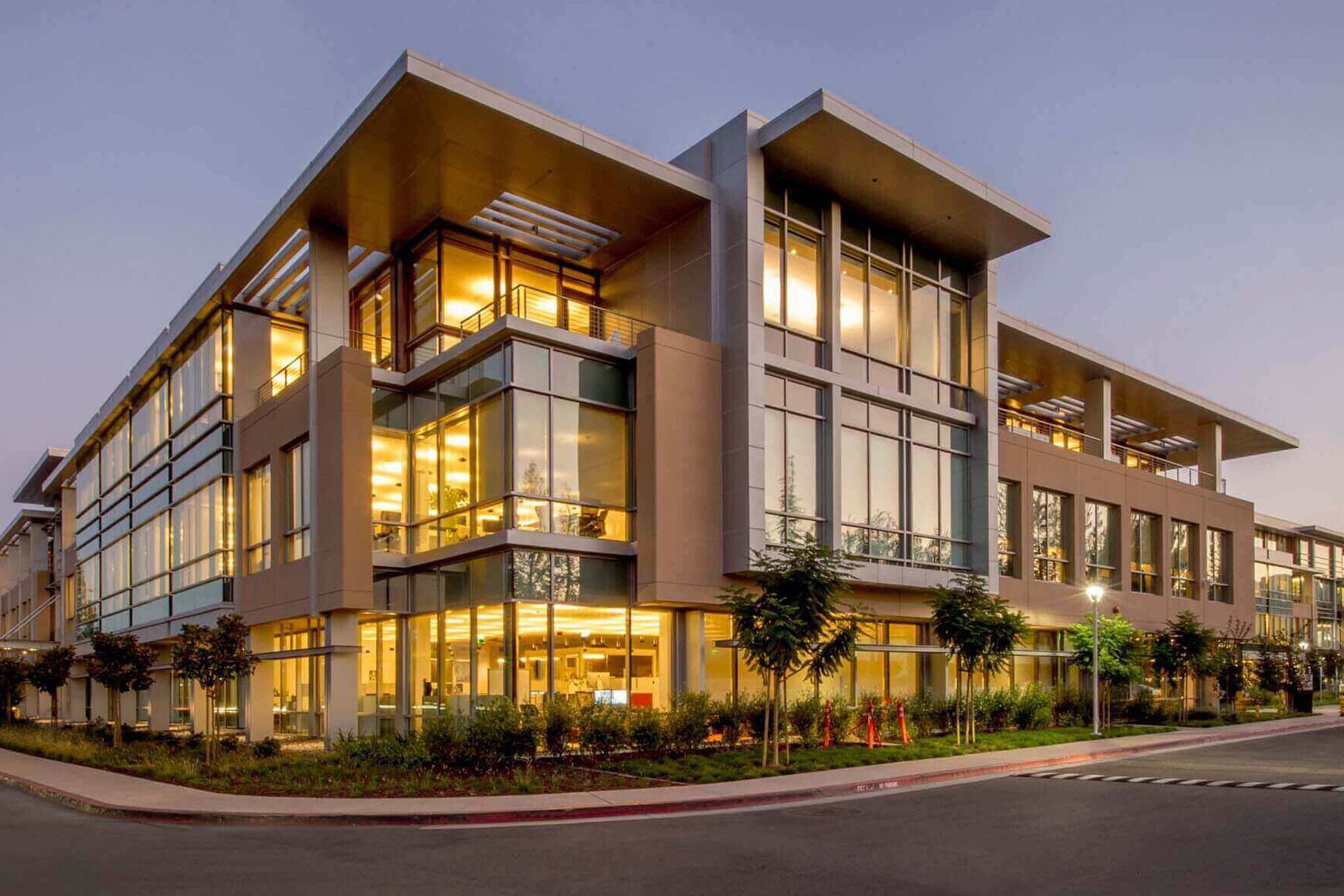
Explore commercial properties in Mauritius, ownership rules, top locations, and what foreign investors need to know before buying or leasing.
Commercial real estate in Mauritius follows a distinct legal and regulatory path compared to residential purchases. Foreign nationals can acquire commercial properties under specific conditions, and the market spans everything from office suites and retail units in Port Louis to boutique hospitality assets along the west coast. Understanding the framework before you commit saves time, money, and avoidable legal complications.
Commercial property in Mauritius covers a broad range of asset classes:
Each asset class carries different ownership rules, lease structures, and yield profiles.
The short answer is yes, but with conditions. Under the Non-Citizens (Property Restriction) Act, foreign nationals are generally restricted from purchasing bare land or residential property below certain thresholds. However, commercial property acquisition by foreign investors is permitted through specific routes:
A local notary and a qualified Mauritian attorney should be consulted before any transaction is structured.
Port Louis remains the primary hub for office and retail commercial real estate in Mauritius. Grade A office space here commands the highest per-square-metre rents on the island, with demand driven by financial services firms, law practices, and international companies establishing regional headquarters.
The western corridor has seen consistent investment interest over the past decade. The area around Albion offers a different character to the capital, lower density, proximity to the coast, and a growing residential population that supports neighbourhood retail and service businesses. Those who explore the beauty of Albion quickly note that it sits at the intersection of established residential communities and newer mixed-use development, making it a credible location for small commercial operators.
Further south, the Black River district, known locally by the French name Rivière Noire, carries a dual identity. Château de Rivière Noire is one of the historic landmarks in this area, a colonial-era estate that reflects the region's long agricultural and social history. Today, the broader Rivière Noire district attracts hospitality investment alongside residential demand for three bedroom houses in Mauritius and larger family villas.
The stretch between Tamarin and La Preneuse has become particularly attractive to hospitality investors. Maradiva Villas Resort & Spa in Mauritius is one of the established luxury hospitality benchmarks on this coastline, a property that has shaped buyer expectations for what high-end resort commercial assets look like in this part of the island. Investors looking at hospitality acquisitions in the region often use properties of this calibre as a reference point for valuation and service standards.
Tombeau Bay sits on the northern coast, positioned between Port Louis and the tourist belt of Grand Baie. It is primarily an industrial and light-commercial zone, with port-adjacent warehousing and logistics businesses. For investors seeking commercial property with industrial or distribution uses, Tombeau Bay offers practical infrastructure and reasonable land costs relative to the capital. Grand Baie itself, immediately to the north, is the island's most active retail and hospitality commercial market outside Port Louis.
Many investors, particularly those testing the market, begin with a commercial lease rather than a purchase. The leasing market for commercial premises in Mauritius is active and relatively transparent. Rents are typically quoted in Mauritian rupees per square metre per month, and lease terms of three to five years with renewal options are standard for retail and office space.
For context, the same principle applies at the residential end of the market: flats for rent in Mauritius are widely available across price points, and understanding the rental market in any given area gives useful insight into the commercial demand drivers in that location. A neighbourhood where residential tenants are consistently willing to pay above-average rents typically signals strong footfall and purchasing power, both relevant to commercial operators.
Before committing to any commercial property in Mauritius, work through the following:
Commercial property yields in Mauritius vary significantly by asset class and location. Office space in Port Louis has historically delivered net yields in the range of 5–7%, while retail units in high-footfall tourist areas can yield higher but carry more volatility tied to tourism cycles. Industrial and logistics properties tend to offer stable, lower yields with longer-term tenants.
The hospitality sector is more complex to underwrite, given that performance is tied to occupancy rates, management quality, and broader tourism demand. Investors considering hotel or resort assets should model both direct ownership returns and the option of enrolling the property in a managed rental pool.
Commercial real estate transactions in Mauritius benefit considerably from local expertise. A qualified property advisor with active commercial listings can identify off-market opportunities, provide realistic comparable evidence, and coordinate the legal, financial, and regulatory steps that a foreign buyer cannot easily navigate independently. The market is relationship-driven, and access to quality stock often depends on established local networks.
Hand-picked
Riviere Noire · West

Baie du Cap · South

Tamarin · West

Baie du Cap · South

Beau Champ · East

Tamarin · West
Explore by region
Explore the site
Market updates, buying guidance and the best new listings, straight to your inbox.
Mauritius Real Estate · 9 Oct 2026
Find bungalows for rent in Mauritius: coastal, urban, and waterfront options explained, with inspection tips and neighbourhood comparisons.
Mauritius Real Estate · 9 Oct 2026
Explore the business park in Mauritius Riviere Noire, commercial real estate options, waterfront property, and financing routes for foreign buyers.
Mauritius Real Estate · 9 Oct 2026
Curepipe, Quatre Bornes, Vacoas-Phoenix, Rose Hill: what foreign buyers need to know about property in central Mauritius, prices, legal routes, and…
Mauritius Real Estate · 1 Oct 2026
Explore bungalows in Mauritius: coastal styles, ownership rules for foreigners, financing options, and how they compare to villas and flats.
Mauritius Real Estate · 1 Oct 2026
Political stability, progressive tax, modern healthcare, and clear residency routes: here is why South Africans are choosing Mauritius in 2026.
Mauritius Real Estate · 28 Sept 2026
A practical guide to buying property in Mauritius as a South African: legal routes, costs, residency options, and how to search online from abroad.
Browse our current listings or speak to an agent.


